
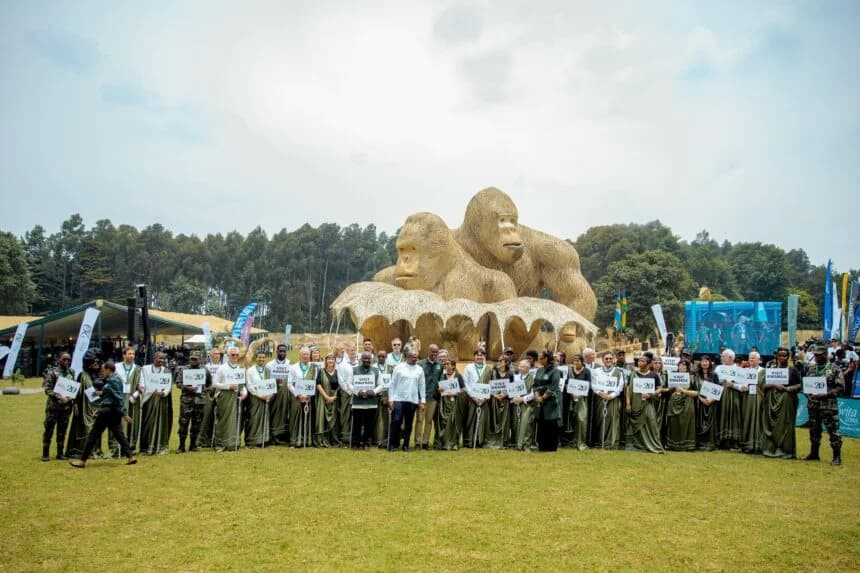
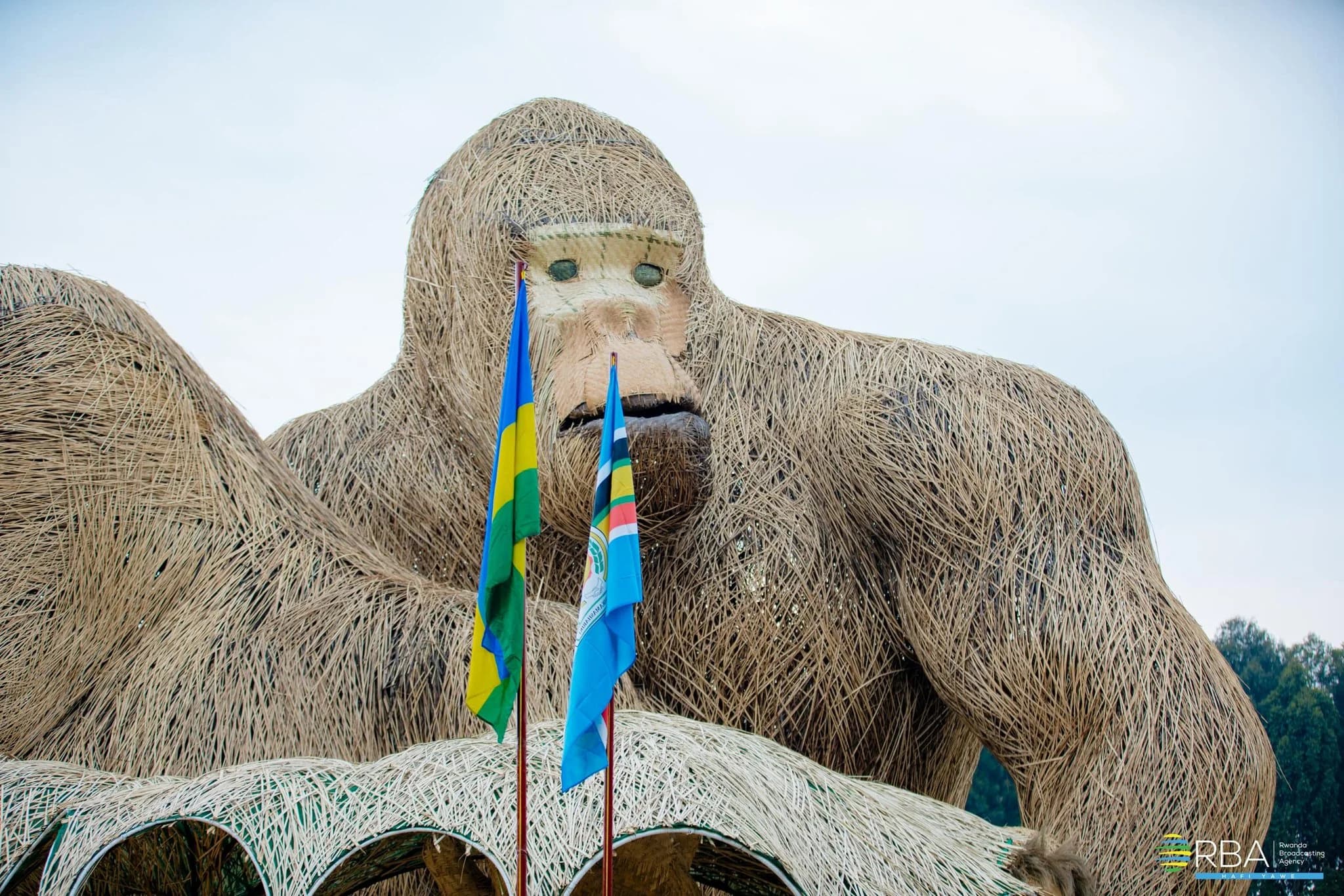
Rwanda’s annual Kwita Izina Gorilla Naming Ceremony returns this Friday, 5 September 2025, bringing together an extraordinary group of global leaders, artists, football legends, and conservation champions. They joined local rangers, trackers, and veterinary experts in the honor of naming a baby mountain gorilla. This year marks the 20th edition of the international conservation event, during which 40 baby gorillas named18 born in 2024 and 22 born in 2023. Held in Kinigi, at the foothills of Volcanoes National Park, the Namers will celebrate alongside local communities, rangers, trackers, re
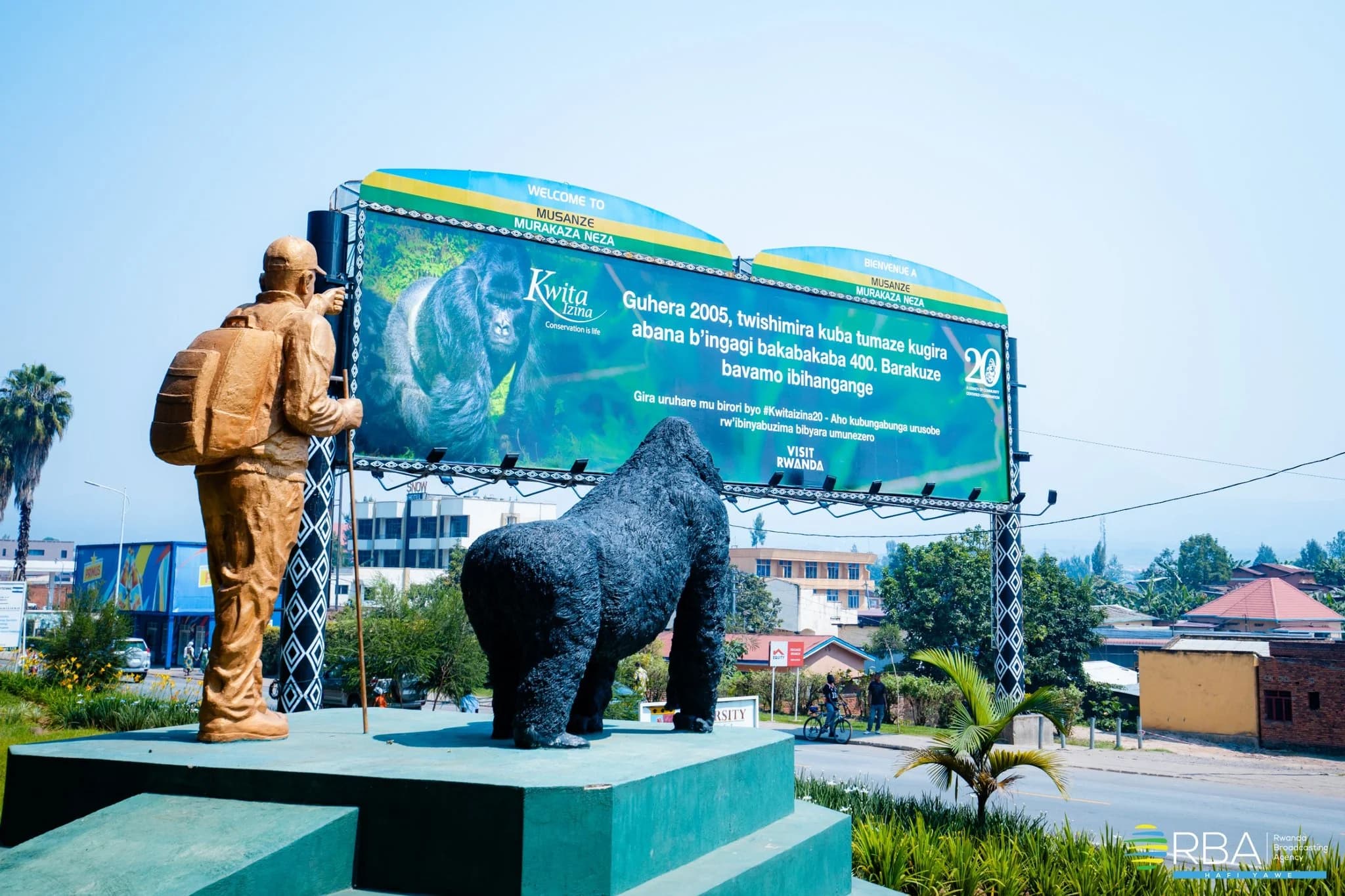
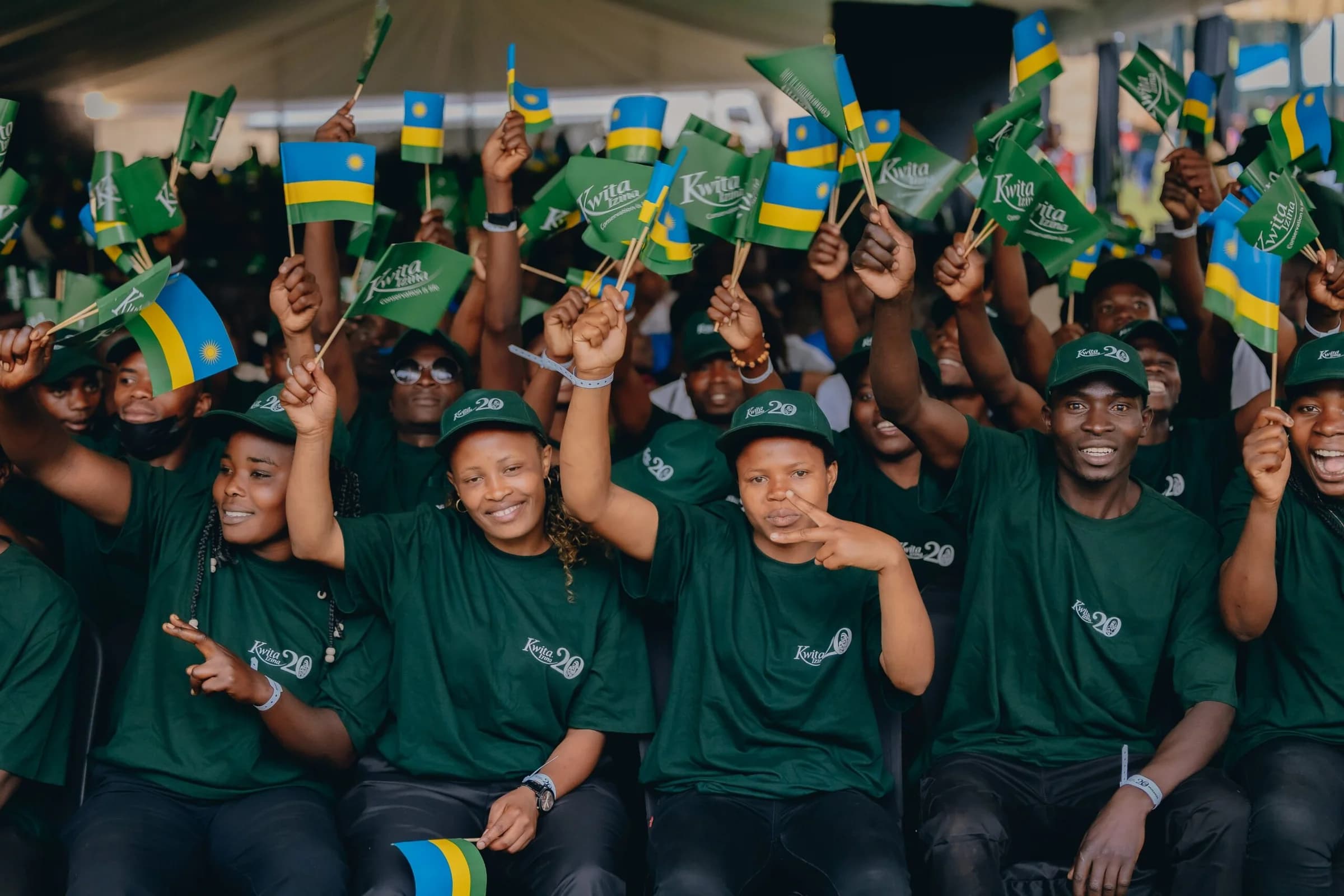
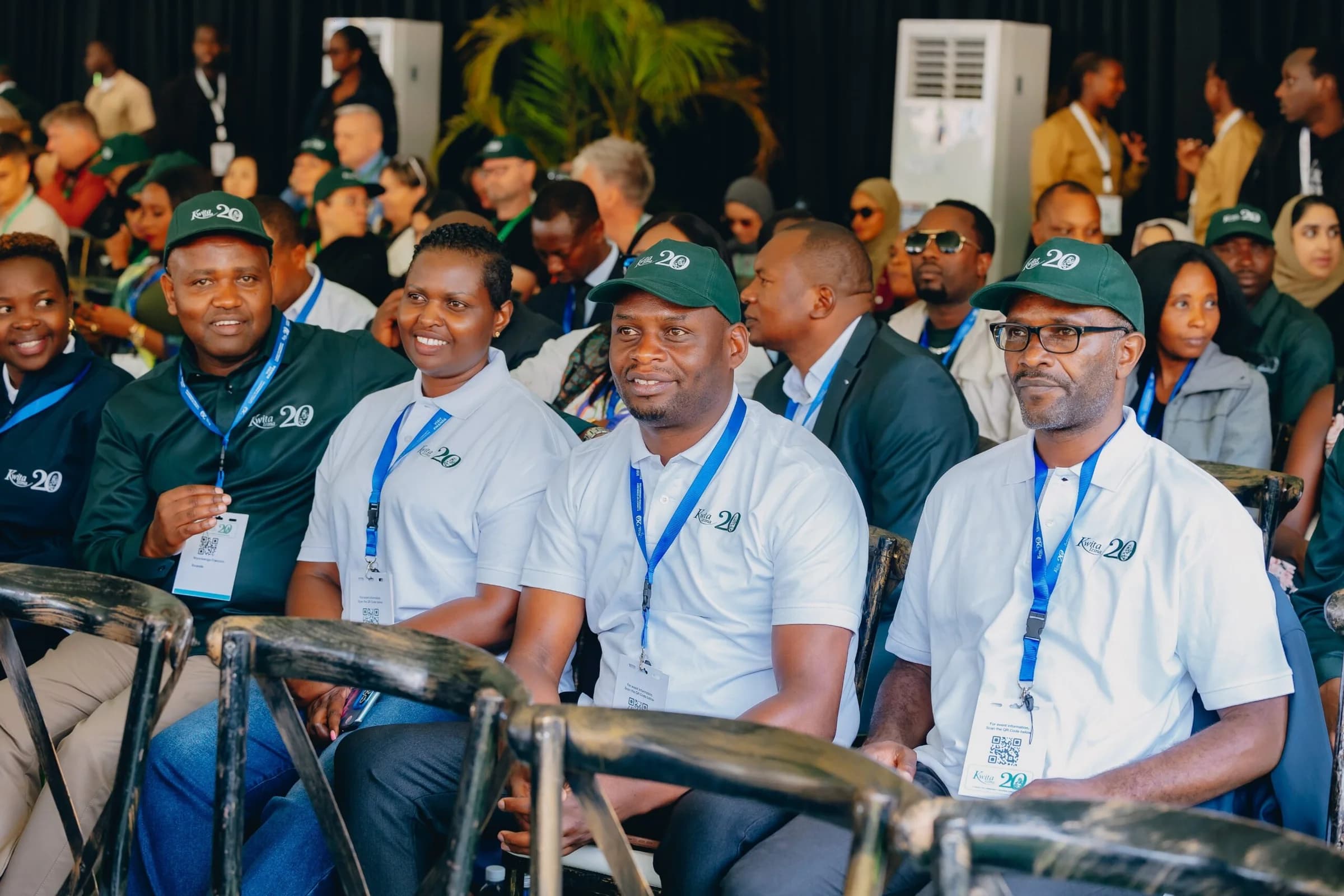
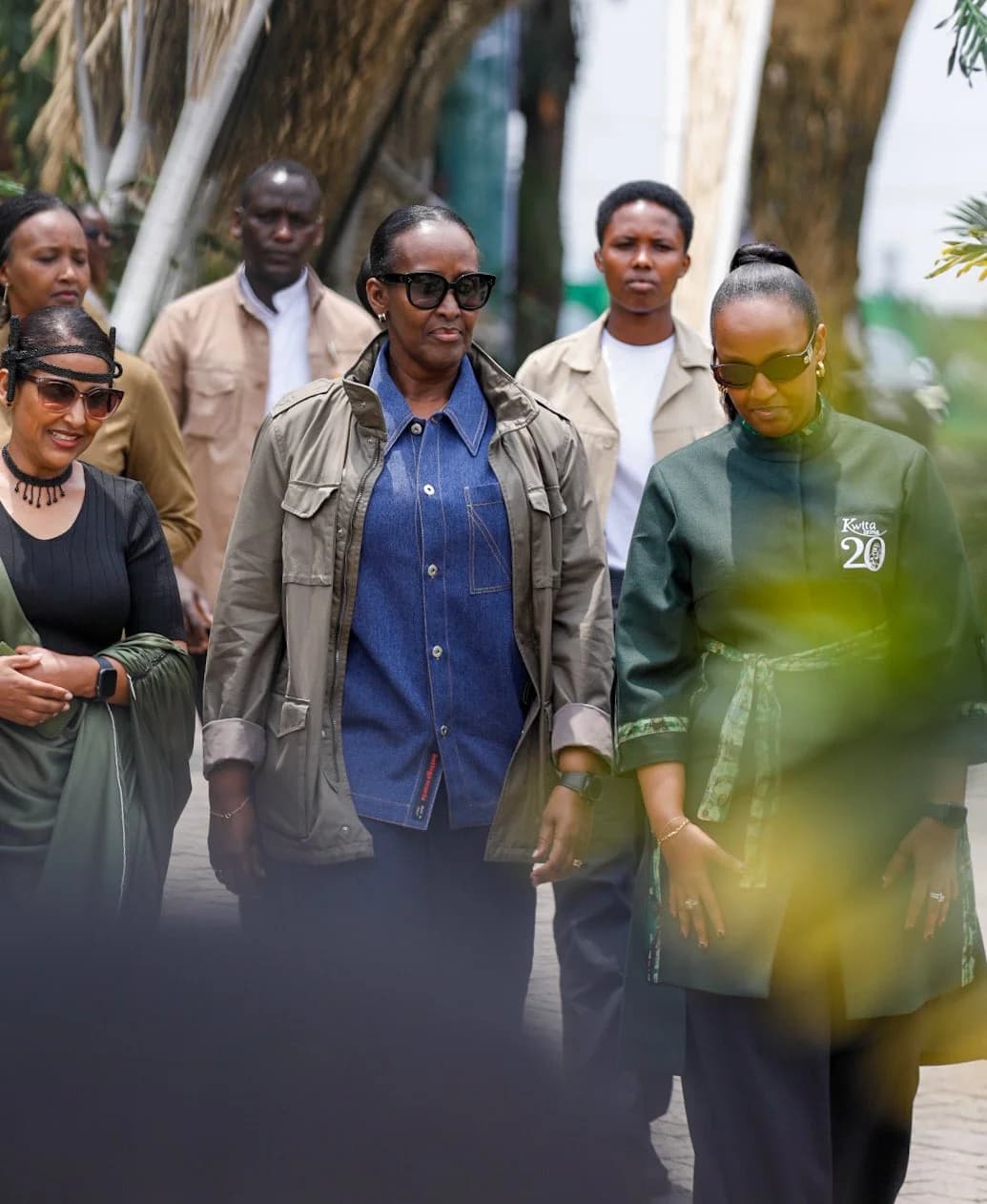
Rwanda’s annual Kwita Izina Gorilla Naming Ceremony returns this Friday, 5 September 2025, bringing together an extraordinary group of global leaders, artists, football legends, and conservation champions. They joined local rangers, trackers, and veterinary experts in the honor of naming a baby mountain gorilla. This year marks the 20th edition of the international conservation event, during which 40 baby gorillas named18 born in 2024 and 22 born in 2023. Held in Kinigi, at the foothills of Volcanoes National Park, the Namers will celebrate alongside local communities, rangers, trackers, researchers, and friends from around the world in a tribute to nature and conservation. The gorilla naming ceremony is inspired by a centuries-old Rwandan tradition in which children are named in the presence of family and friends. For decades before the first official ceremony, park rangers and researchers named Rwanda’s baby gorillas to monitor each individual and its family group. In 2005, Rwanda officially launched Kwita Izina, transforming the practice into a global celebration of nature. By giving gorillas names, the country emphasizes their value and importance. The ceremony also serves as an opportunity to thank the communities living around Volcanoes National Park, as well as research partners, veterinarians, conservationists, rangers, and trackers who dedicate their lives to protecting gorillas. Over the years, more than 430 mountain gorillas have been named. Today, Kwita Izina forms part of Rwanda’s broader strategy to preserve its natural heritage and expand the role of sustainable tourism in national development. Rwanda has since emerged as a leader in conservation and sustainable tourism on the African continent. For example, the 2010 census recorded 480 mountain gorillas, while the 2016 census reported 604 individuals in the Virunga Massif. Thanks to these efforts, the global population of mountain gorillas has risen to 1,063 and the species is no longer classified as critically endangered.




Comments
No comments yet. Be the first to share a thought.