
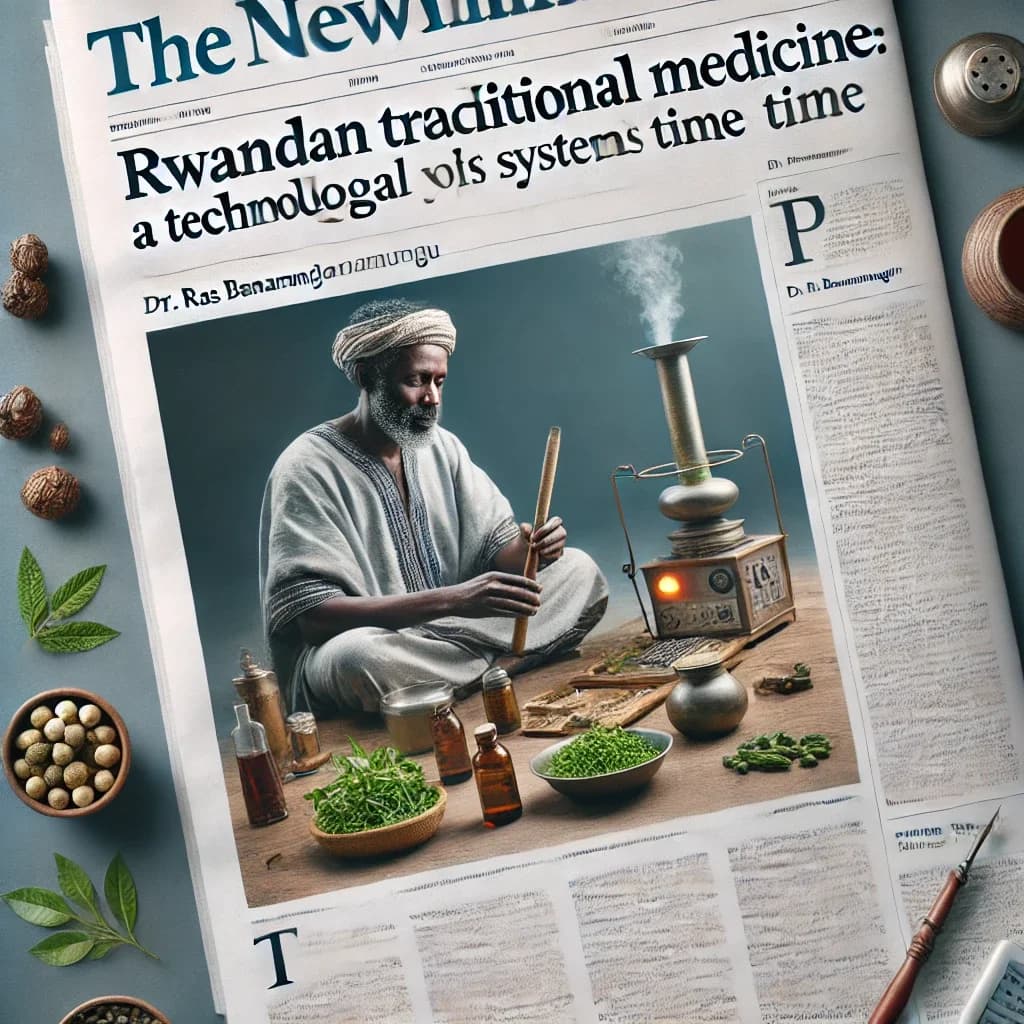
Long before the advent of modern hospitals, synthetic drugs, or diagnostic machines, Rwandans practiced a sophisticated and holistic system of medicine known as Ubuvuzi Gakondo. This indigenous medical knowledge was more than just cultural—it was practical, precise, and remarkably effective. Rooted in generations of observation, experimentation, and spiritual understanding, traditional Rwandan healing covered everything from broken bones to poisoning, from mental distress to physical ailments. 1. Kunga: The Science of Traditional Bone-Setting Kunga is one of the most fascinating practices in t
Long before the advent of modern hospitals, synthetic drugs, or diagnostic machines, Rwandans practiced a sophisticated and holistic system of medicine known as Ubuvuzi Gakondo. This indigenous medical knowledge was more than just cultural—it was practical, precise, and remarkably effective. Rooted in generations of observation, experimentation, and spiritual understanding, traditional Rwandan healing covered everything from broken bones to poisoning, from mental distress to physical ailments. 1. Kunga: The Science of Traditional Bone-Setting Kunga is one of the most fascinating practices in traditional Rwandan medicine. Healers could treat broken bones, dislocations, and joint injuries with a level of skill that rivaled modern orthopedic practice. Splints were crafted from plants like urubingo, and medicinal pastes from herbs such as umuravumba helped reduce inflammation and aid healing. This shows that indigenous medicine was built on deep empirical understanding—far from myth, it was a science shaped by experience. 2. Kotsa: Thermotherapy and the Use of Uruhindu to Treat Ikibyimba Kotsa was a method used to apply heat to treat physical ailments. Uruhindu, a special medicinal metal tool, was heated until extremely hot and applied to ikibyimba (swellings). The heat would bust the swelling and release trapped fluids. This method reflected a precise understanding of cauterization and detoxification, comparable to modern thermotherapy. 3. Kurogora: Traditional Detoxification of Poisoned Individuals Rwandan healers practiced kurogora to detoxify poisoned individuals using herbal remedies. Plants like ikibazi and umwenya were used to cleanse internal toxins. Treatments often combined herbal pharmacology with spiritual rituals. Many of these plants have since been validated by modern research for their detoxifying effects. 4. Other Advanced Indigenous Medical Practices - Gukarabya (Herbal Baths) - Gukanda (Therapeutic Massage) - Gushumbusha (Rebalancing Fluids) - Kuraguza (Spiritual Diagnostics) These practices show the diversity and depth of Ubuvuzi Gakondo, incorporating physical, emotional, and spiritual healing. 5. Traditional Medicine as Early Technology Ubuvuzi Gakondo was an indigenous form of technology built on empirical knowledge and botanical pharmacology. It paralleled many principles of modern medicine long before such tools were available. 6. Preservation and Integration Organizations like WHO and UNESCO advocate preserving traditional medicine. Rwanda can train researchers, legalize practices, and integrate indigenous medicine into the health system for sustainable solutions. Conclusion Rwandan traditional medicine was a sophisticated health system using natural resources and ancestral knowledge. Practices like kunga, kotsa with uruhindu, and kurogora reflect innovation and effectiveness. Reviving this knowledge bridges past wisdom with modern healthcare. Resources - World Health Organization (WHO) Reports on Traditional Medicine - Journal of Traditional and Complementary Medicine - UNESCO Intangible Cultural Heritage Documentation - Interviews with traditional healers in Rwanda - Personal fieldwork and historical accounts by Dr. Ras Banamungu



Comments
No comments yet. Be the first to share a thought.