
Terrorist groups operating in the Sahel region are increasingly expanding their operations into urban areas, with groups such as Jama’at Nusrat al-Islam wal-Muslimin (JNIM) and the Islamic State Sahel Province (ISSP) carrying out more complex attacks aimed at increasing their territorial influence. A major example came on June 18 , when JNIM, an al-Qaeda-affiliated group, attacked Diori Hamani International Airport in Niamey, Niger’s capital , killing 11 soldiers and two civilians. The airport is a strategically important facility that hosts military installations, the headquarters of the Nige
Terrorist groups operating in the Sahel region are increasingly expanding their operations into urban areas, with groups such as Jama’at Nusrat al-Islam wal-Muslimin (JNIM) and the Islamic State Sahel Province (ISSP) carrying out more complex attacks aimed at increasing their territorial influence.
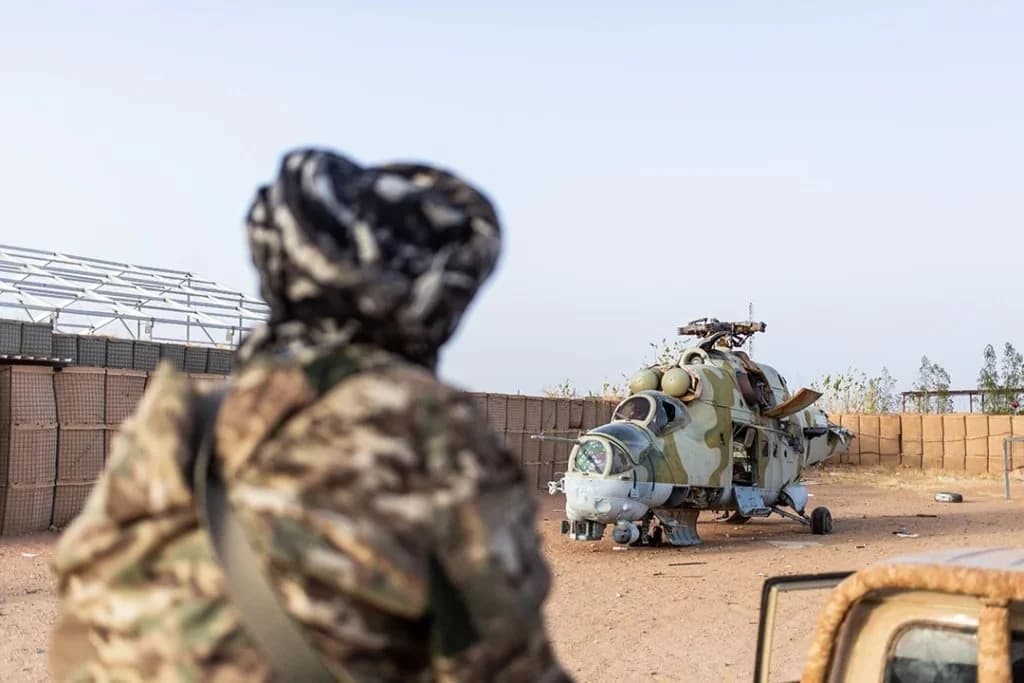
A major example came on June 18, when JNIM, an al-Qaeda-affiliated group, attacked Diori Hamani International Airport in Niamey, Niger’s capital, killing 11 soldiers and two civilians. The airport is a strategically important facility that hosts military installations, the headquarters of the Niger-Burkina Faso-Mali Joint Force and a uranium stockpile.
The attack followed another assault by ISSP in January against a military base near the same airport. Authorities said the growing attacks demonstrate that both groups are developing the ability to conduct operations beyond the remote rural areas where they traditionally operated.
JNIM has emerged as one of the most powerful militant groups in the Sahel. In Mali, the group has used tactics including road blockades and attacks on fuel supply routes around Bamako, creating shortages and disrupting daily life. Analysts describe the strategy as a form of economic warfare aimed at weakening public confidence in government authorities.
In April, JNIM and the Azawad Liberation Front (FLA) carried out coordinated attacks on several locations in Mali, including Bamako, Gao and Kidal. The operations showed the groups’ growing ability to coordinate attacks across multiple areas while challenging state control.
Experts say JNIM is evolving from a mainly rural insurgency into a more complex armed organization using guerrilla tactics, coordinated assaults, drone operations, propaganda and attempts to influence local communities.
Meanwhile, ISSP has also strengthened its capabilities through asymmetric tactics, including suicide attacks. The group has expanded its influence in parts of Niger and Mali, particularly around the Ménaka region, where it has fought JNIM for territorial control.
The rivalry between JNIM and ISSP has intensified since 2019, turning parts of the Sahel into a battleground between competing extremist groups. Niger’s Tillabéri region has become one of the most affected areas, recording high numbers of civilian deaths linked to militant violence.
Security analysts warn that competition between the two groups could continue to fuel recruitment, territorial expansion and further instability across the Sahel.
The increasing attacks highlight the challenges facing governments in the region as they attempt to regain control, protect civilians and prevent extremist groups from expanding their influence into major urban centers.



Comments
No comments yet. Be the first to share a thought.