
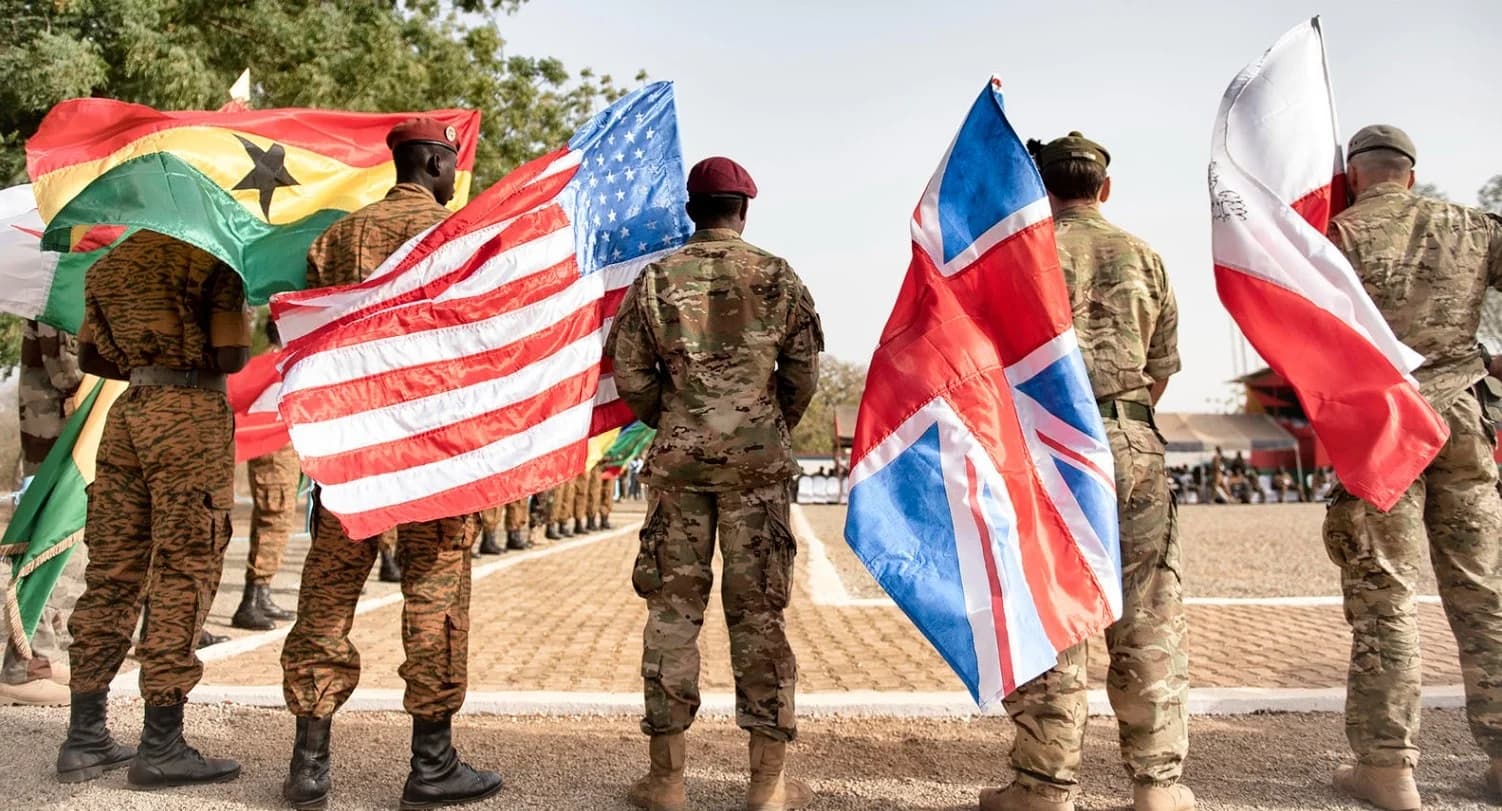
The Sahel region, stretching across Mali, Burkina Faso, and Niger, has become one of the world’s most volatile zones as violence, political upheaval, and foreign influence converge in a worsening crisis. Since 2020, these countries have experienced a series of military coups that overthrew elected governments, leading to the creation of the Alliance of Sahel States (AES). In early 2025, the AES officially withdrew from the Economic Community of West African States (ECOWAS), marking a major political shift in West Africa. Meanwhile, terrorist attacks have intensified across the region. The al-Q
The Sahel region, stretching across Mali, Burkina Faso, and Niger, has become one of the world’s most volatile zones as violence, political upheaval, and foreign influence converge in a worsening crisis. Since 2020, these countries have experienced a series of military coups that overthrew elected governments, leading to the creation of the Alliance of Sahel States (AES). In early 2025, the AES officially withdrew from the Economic Community of West African States (ECOWAS), marking a major political shift in West Africa.
Meanwhile, terrorist attacks have intensified across the region. The al-Qaeda-affiliated Jama’at Nusrat al-Islam wal-Muslimin (JNIM) and the Islamic State–Sahel Province (ISSP) continue to carry out deadly raids on army positions and civilian targets. In June 2025, an ISSP assault on Niger’s Banibangou base killed at least 71 soldiers, while a similar attack in Mali’s Boulikessi left more than 100 troops dead. These repeated offensives demonstrate the militants’ expanding control and the inability of local forces to contain them.
Western partners, including France and the United States, have reduced their involvement, pulling out troops and scaling back counter-terrorism programs. This vacuum has allowed Russia to step in, providing weapons, training, and paramilitary support under the new Africa Corps — the state-controlled successor to the Wagner Group. In April 2025, Moscow pledged full military backing to the AES, deepening its influence as the juntas seek new alliances. By August, the defence ministers of Mali, Burkina Faso, and Niger had travelled to Moscow for the first official joint meeting, formalising Russia’s growing foothold in the region.
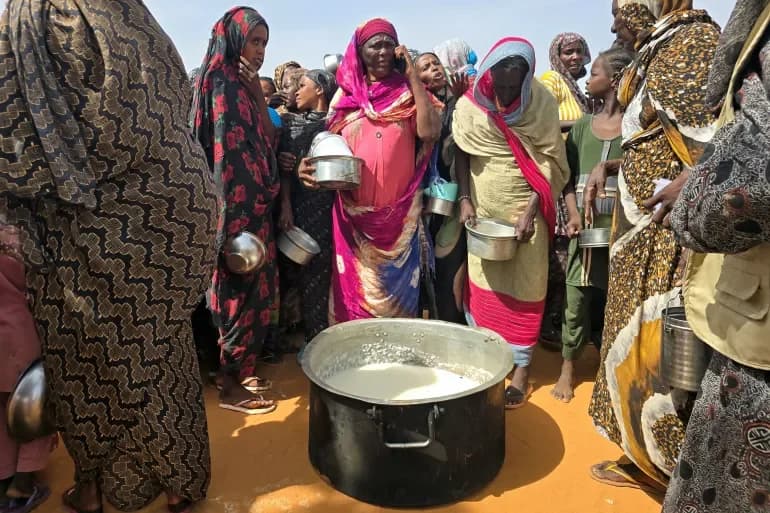
The human cost of this instability is devastating. Millions have been displaced by conflict, and entire communities have been cut off from essential services. Food shortages, severe droughts, and the destruction of livelihoods have driven a worsening humanitarian crisis. Reports of human rights violations by both armed groups and state forces have increased, while restrictions on media and political opposition continue to tighten under military rule.
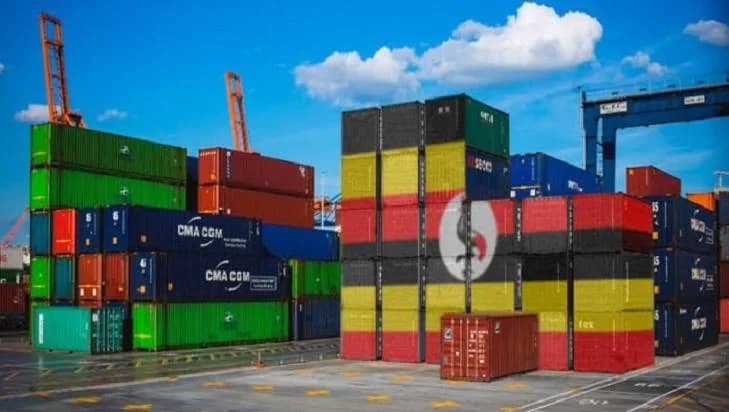
The crisis now threatens to spill into coastal West Africa, with countries like Ghana, Benin, and Ivory Coast reinforcing their borders against militant incursions. Beyond the region, the Sahel’s instability poses global risks fueling migration, disrupting trade, and giving extremist groups more room to operate. The region’s natural wealth, including gold and uranium, has also attracted foreign powers, making the conflict not just political and security-driven, but also economic.
The Sahel’s future hangs in the balance. The AES has pledged to strengthen its joint military force of 5,000 troops, but experts remain sceptical about its capacity to deliver stability. With Western powers disengaged and Russia asserting itself, the region has become a stage for shifting global influence. For millions of people across the Sahel, the fight is not only about politics or ideology it is a struggle for survival in a landscape where hope and hardship coexist.
Comments
No comments yet. Be the first to share a thought.