
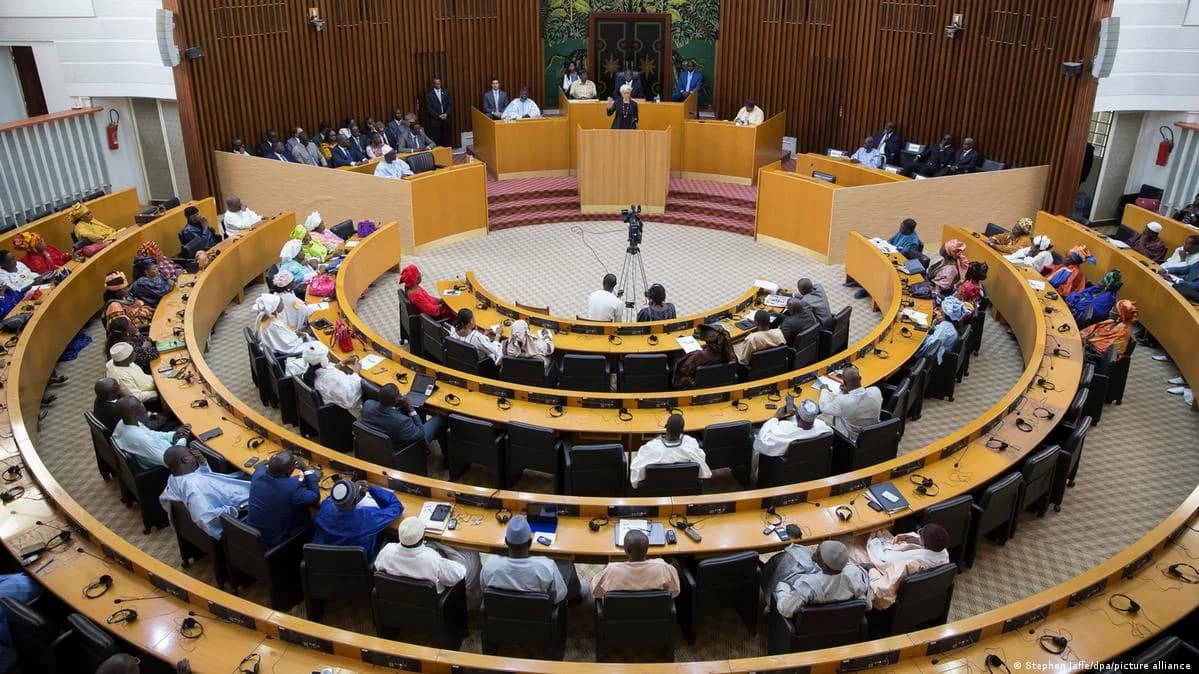
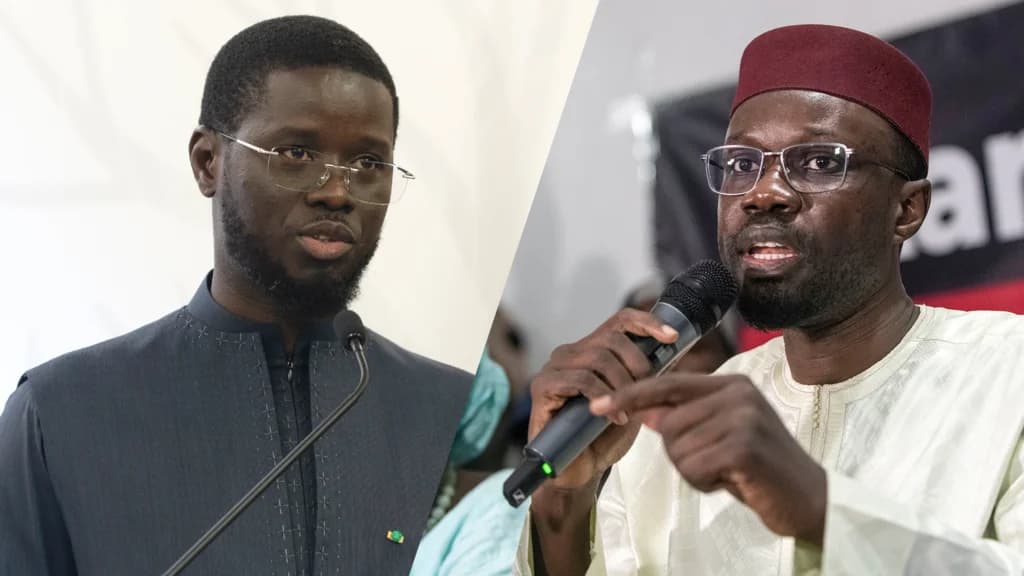
As many expected the election of President Bassirou Diomaye Faye to usher in a new era of political stability and democratic renewal, Senegal is once again at the center of an intense constitutional debate. Lawmakers are considering constitutional reforms that could significantly reshape the country's political system by limiting some presidential powers while strengthening the role of other state institutions. The central question is no longer simply whether the Constitution should be amended, but why these reforms are emerging now—and whether they are primarily intended to deepen democracy
As many expected the election of President Bassirou Diomaye Faye to usher in a new era of political stability and democratic renewal, Senegal is once again at the center of an intense constitutional debate. Lawmakers are considering constitutional reforms that could significantly reshape the country's political system by limiting some presidential powers while strengthening the role of other state institutions. The central question is no longer simply whether the Constitution should be amended, but why these reforms are emerging now—and whether they are primarily intended to deepen democracy or reflect broader political tensions within Senegal's leadership. How did the debate begin? Following the 2024 presidential election, Senegal was widely viewed as a democratic success story. President Diomaye Faye campaigned on promises of transparency, institutional reform, and stronger governance. However, as his administration has evolved, debates have intensified over how much authority should remain concentrated in the presidency. Supporters of constitutional reform argue that Senegal's democratic institutions need stronger checks and balances to prevent excessive executive power. This has led to proposals aimed at redistributing authority among the country's key institutions. What could change? The proposed constitutional reforms include several significant measures: Reducing certain executive powers held by the President. Strengthening Parliament's oversight of the government. Reforming the Constitutional Court to reinforce its independence. Introducing stronger institutional mechanisms to ensure accountability across government. Supporters believe these reforms would modernize Senegal's democratic system by ensuring that no single office dominates the country's political institutions. Why is the proposal controversial? Critics argue that although institutional reform is important, the current timing has raised political concerns. Some analysts believe the constitutional debate reflects growing political disagreements within the country's leadership rather than purely institutional objectives. Others fear that constitutional amendments could become tools in political rivalries if they are perceived as targeting specific individuals or factions. As a result, the discussion has become about much more than legal reform—it is also about public trust in Senegal's democratic institutions. Analysis: Is Senegal setting a new democratic example in Africa? This is where the debate becomes particularly significant. Across much of Africa, constitutional amendments have often focused on expanding presidential authority or extending presidential term limits. Senegal appears to be moving in the opposite direction. Instead of increasing executive power, current proposals seek to distribute authority more broadly among democratic institutions. If implemented transparently and through broad political consensus, these reforms could position Senegal as one of Africa's leading examples of institutional democracy, where the strength of the system matters more than the power of any individual leader. However, if the reforms are widely perceived as being driven by political competition rather than constitutional necessity, they could deepen divisions and weaken public confidence in state institutions. Conclusion The constitutional debate unfolding in Senegal is about far more than legal amendments. It represents a crucial test of how one of West Africa's most respected democracies intends to balance executive authority with institutional accountability. Whether these reforms ultimately strengthen democracy or fuel further political tensions will depend not only on the content of the amendments but also on how transparently and inclusively the process unfolds. The decisions made in the coming months could shape Senegal's political future for years to come—and may influence constitutional debates across the African continent.




Comments
No comments yet. Be the first to share a thought.