
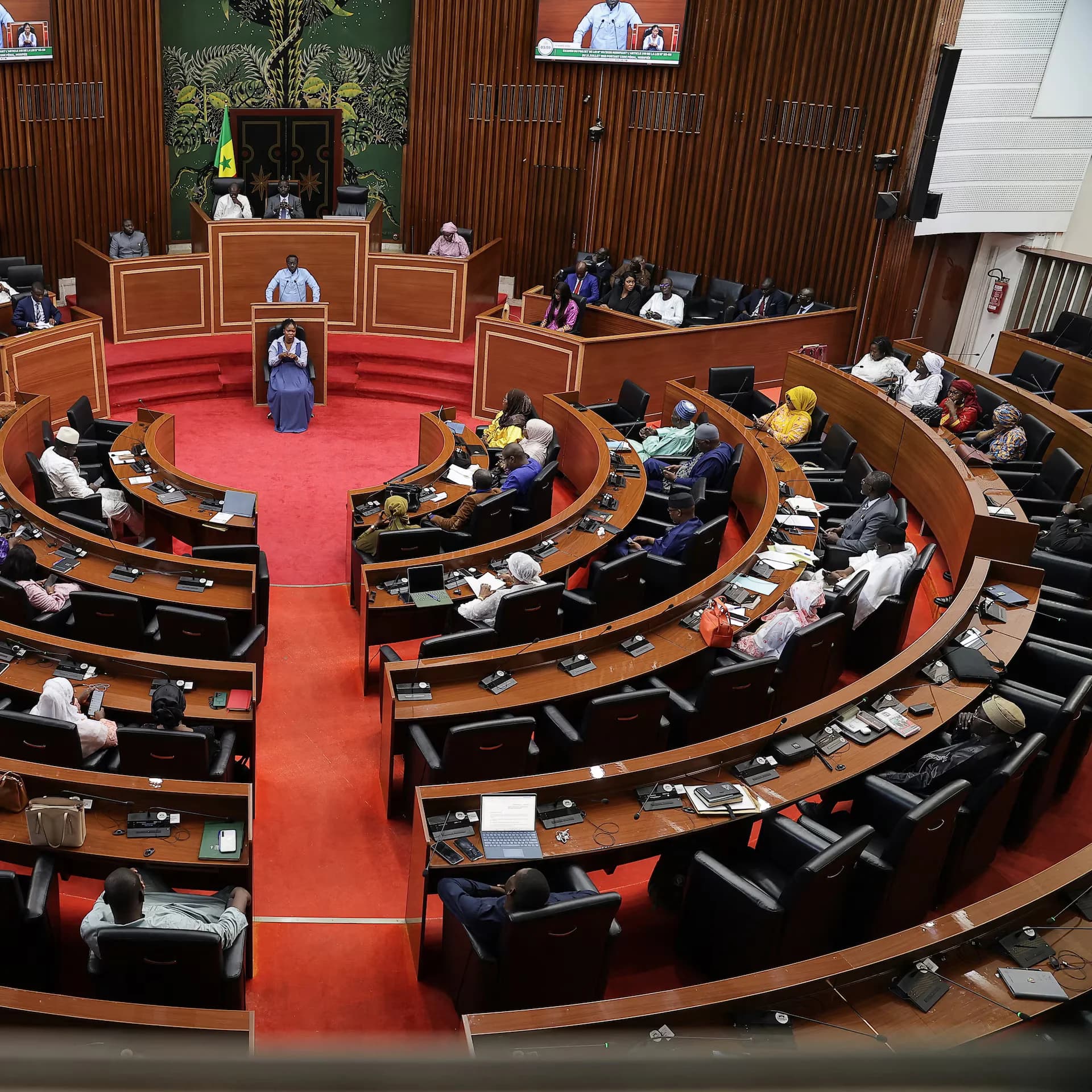
Senegal’s National Assembly on March 11, 2026, passed a new law that sharply increases criminal penalties for consensual same‑sex relationships, with a near‑unanimous vote of 135 in favor, none against, and three abstentions. The legislation has drawn international concern over human rights, press freedom, and civil society in the country. The bill, introduced by Prime Minister Ousmane Sonko as part of the ruling Pastef party’s campaign promises, raises the prison sentence for consensual same‑sex acts from one-to-five years under the previous penal code to five-to-ten years, effectively settin
Senegal’s National Assembly on March 11, 2026, passed a new law that sharply increases criminal penalties for consensual same‑sex relationships, with a near‑unanimous vote of 135 in favor, none against, and three abstentions. The legislation has drawn international concern over human rights, press freedom, and civil society in the country.
The bill, introduced by Prime Minister Ousmane Sonko as part of the ruling Pastef party’s campaign promises, raises the prison sentence for consensual same‑sex acts from one-to-five years under the previous penal code to five-to-ten years, effectively setting a higher floor and ceiling. The law also removes judicial discretion, barring judges from suspending sentences or reducing terms below the mandatory minimum. In addition, the law imposes three-to-seven years in prison for anyone engaging in advocacy or promotion of LGBTQ+ relationships, a provision widely criticised as a threat to free speech and civil society.
Fines for violations have also increased significantly, from 100,000–1.5 million CFA francs ($165–$2,500) under the old code to two million–10 million CFA francs ($3,500–$17,600) under the new law.
Enforcement of Senegal’s anti-LGBTQ laws has already intensified. Since February 2026, dozens of men have been arrested, including 12 in a single police operation, among them two local celebrities. Lawmaker Diaraye Ba, speaking from the National Assembly podium, declared:
"Homosexuals will no longer breathe in this country."
Supporters argue the law protects Senegal’s cultural and religious values. Critics, including local rights groups, warn that harsher penalties will fuel discrimination, harassment, and marginalisation of LGBTQ+ individuals. Humanitarian and public health advocates note that criminalising same-sex relations could hinder HIV prevention and outreach programs, leaving vulnerable populations less able to access healthcare and support.
UN High Commissioner for Human Rights Volker Türk issued a statement urging President Bassirou Diomaye Faye not to sign the legislation, citing violations of human rights and freedom of expression. Rights groups warned that the new advocacy penalties may also limit civil society operations, NGO programs, and journalist safety in Senegal.
President Faye supports the legislation and is widely expected to sign it in the coming days, with rights groups and international observers closely watching.
Senegal is part of a broader African landscape where legal restrictions on same‑sex relations remain widespread. Same‑sex activity is criminalized in roughly 32 of Africa’s 54 countries, and in a small number of jurisdictions, including Mauritania, Somalia, and under Sharia law in northern Nigeria, the offence can carry the death penalty.



Comments
No comments yet. Be the first to share a thought.