
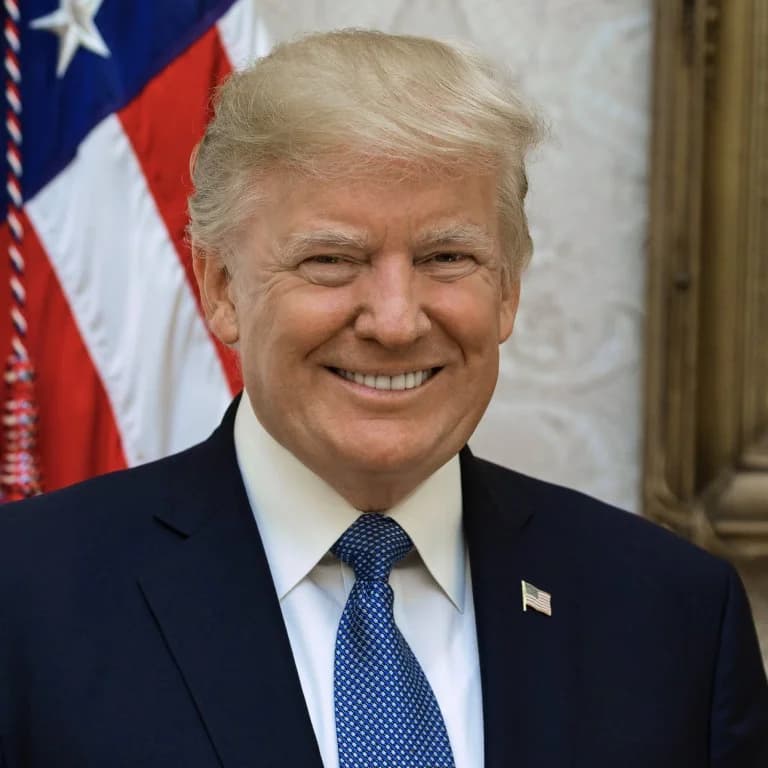
A recent security breach has exposed sensitive U.S. military communications, including detailed plans for airstrikes in Yemen. This lapse occurred when journalist Jeffrey Goldberg was mistakenly added to a Signal group chat containing top officials from the Trump administration. Among those involved in the exchange were Defense Secretary Pete Hegseth, Secretary of State Marco Rubio, and National Security Advisor Michael Waltz. The group chat, which was intended to discuss strategic operations, inadvertently included Goldberg, editor-in-chief of The Atlantic, who later published the leaked info
A recent security breach has exposed sensitive U.S. military communications, including detailed plans for airstrikes in Yemen. This lapse occurred when journalist Jeffrey Goldberg was mistakenly added to a Signal group chat containing top officials from the Trump administration. Among those involved in the exchange were Defense Secretary Pete Hegseth, Secretary of State Marco Rubio, and National Security Advisor Michael Waltz. The group chat, which was intended to discuss strategic operations, inadvertently included Goldberg, editor-in-chief of The Atlantic, who later published the leaked information. The leaked messages revealed military details, including precise timings for airstrikes in Yemen. One of the more sensitive messages contained an outline from Hegseth specifying when the bombs would drop: "F-18s depart at 2:00 PM; first bombs drop at 3:15 PM." The information also delved into intelligence regarding target locations, operational procedures, and military objectives, all of which are typically classified. The reaction from the Trump administration has been one of dismissal. President Donald Trump distanced himself from the controversy, stating, "I had nothing to do with it. I was told it was Mike [Waltz] who was responsible." White House Press Secretary Karoline Leavitt criticized Goldberg as an "anti-Trump hater" and reinforced the administration’s stance that no classified information was leaked, despite the sensitive nature of the disclosed details. However, experts in security and intelligence have raised concerns about the potential risks posed by such leaks. While Signal is an encrypted messaging platform, it is not typically used for classified government communications. Critics argue that the level of detail shared could undermine U.S. military operations and endanger the lives of military personnel. The incident has prompted calls for a thorough investigation into how such a breach occurred and whether it violates federal records laws. The exposure has led to legal scrutiny as well. American Oversight, a government watchdog group, has filed a lawsuit alleging violations of federal records laws, arguing that the use of Signal for sensitive discussions was inappropriate. This breach has prompted inquiries from various congressional committees, including the Senate Armed Services Committee, which is seeking to understand the full scope of the leak and hold accountable those responsible. This controversy has also drawn international attention, with U.S. allies expressing concern over the unintentional exposure of military operations. Though the White House has attempted to downplay the significance of the leak, the incident has sparked debates over the handling of sensitive government communications and the potential consequences for national security.



Comments
No comments yet. Be the first to share a thought.