
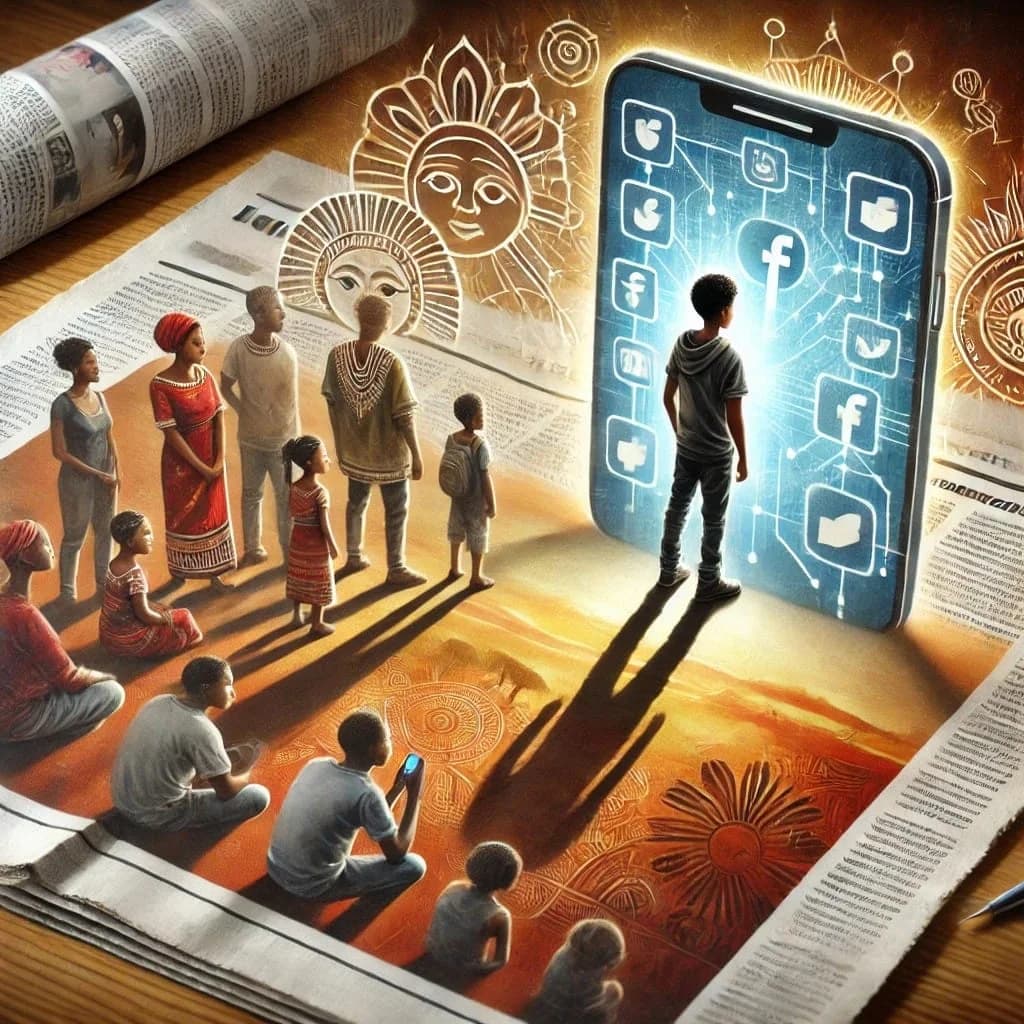
Social Media Age Restrictions: Protecting the Future of Our Youth – A Message for Abavandimwe and All African Brothers and Sisters In today’s fast-paced digital world, social media has reshaped our connections, our communities, and even the way we understand ourselves. Recently, Australian Prime Minister Anthony Albanese announced a proposal to introduce age restrictions on social media for the protection of young people. This legislation would establish a minimum age limit, likely between 14 and 16, and implement strict verification measures to limit younger users’ access to these platforms.
Social Media Age Restrictions: Protecting the Future of Our Youth – A Message for Abavandimwe and All African Brothers and Sisters
In today’s fast-paced digital world, social media has reshaped our connections, our communities, and even the way we understand ourselves. Recently, Australian Prime Minister Anthony Albanese announced a proposal to introduce age restrictions on social media for the protection of young people. This legislation would establish a minimum age limit, likely between 14 and 16, and implement strict verification measures to limit younger users’ access to these platforms. This issue is close to my heart, as an African residing in Australia, where I witness both the positives and pitfalls of technology. Social media offers us, as Africans in the diaspora, an invaluable way to stay connected to our roots and communities. But we must also reflect on its impact, especially on our young people. I share this message with my African brothers and sisters, especially Abavandimwe, to remind us of the values that make up our *Ubunyarwanda*—our Rwandan identity. Protecting Young Minds from the Harmful Side of Social Media Social media can be a powerful tool, but it also has the potential to affect our youth’s mental health and well-being. Studies reveal that 70% of teenagers have encountered negative experiences online, from exposure to harmful content to cyberbullying and pressures that lead to self-doubt. As a mental health professional, I have seen how these influences can erode a young person’s sense of self-worth and identity. This proposal to restrict social media use for younger users is a way to protect our children from these harmful influences. It reflects a deep concern for the kind of foundation we are building for the next generation. In Rwanda, as well as in African communities across the globe, we place high value on the principles of community, respect, and identity. These are values that social media can sometimes distort when young people are exposed to negative messages and unrealistic portrayals of life. Preserving Real-Life Connections and Traditions Prime Minister Albanese emphasizes that real connections, real experiences, and real friendships are what children need. "I want to see kids off their devices and onto the footy fields, the swimming pools, and the tennis courts," he said. For us, this resonates on a deeper level. Our *Ubunyarwanda* teaches us to cherish our people, our culture, and the bonds we form within our communities. We know that there is strength in physical gatherings, whether it is through family, sports, music, or dance. These are the ways our ancestors connected, and these are the ways we pass down our values to our young. By restricting social media usage for those under 16, we allow our children the space to develop a balanced life—a life where they are not glued to screens but rather immersed in experiences that build resilience, empathy, and self-worth. Navigating Privacy and Safety in the Digital World The government has allocated significant resources to trial age verification technology that respects user privacy while keeping young people safe online. This is an important step because we want our children to be safe, not just from inappropriate content but from the data-collection practices that can exploit their information. As Africans in the diaspora, we understand that technology must be used responsibly and that our privacy, even online, is something we hold dear. This move could set a precedent, not only in Australia but for other countries as well, as we look for ways to make the digital world a safer place for our youth. Addressing the Critics: Balancing Freedom and Protection Some have voiced concerns that this legislation could inadvertently drive young users toward less regulated, and potentially riskier, online spaces. But in my view, this does not mean we should abandon the idea entirely. Instead, it’s a call to implement these measures thoughtfully. We need the support of parents, educators, and community leaders to teach our youth the skills they need to navigate the online world responsibly. We, as Africans, are no strangers to resilience and adaptability. By working together to educate our young people, we can create a path where they benefit from technology without falling victim to its potential dangers. Let us guide them, helping them grow into confident, connected adults, deeply rooted in the traditions and values of *Ubunyarwanda* and the wider African identity. A Message to My African Brothers and Sisters: Reflecting on Our Values This proposal is a step toward safeguarding the future of all young people in Australia, and it is my hope that it resonates within our African communities. As we embrace the benefits of technology, let us also remember our role as custodians of culture and guardians of the next generation’s well-being. Social media, for all its potential, should not replace the invaluable lessons, strength, and guidance that come from family and community. Together, we can ensure that our youth are equipped to face the digital world with confidence and wisdom, supported by the enduring values of our African heritage. Let us stand with them, uphold Ubunyarwanda, and commit to a future where they grow strong in both heart and mind.



Comments
No comments yet. Be the first to share a thought.