
South Africa’s decision to withdraw its troops from the United Nations peacekeeping mission in the Democratic Republic of Congo is being widely viewed as more than a routine military redeployment, it reflects a broader shift in Pretoria’s defence posture and raises fresh questions about the future of international peacekeeping in Africa’s most volatile conflict zone. President Cyril Ramaphosa’s office confirmed late Saturday that South Africa will end its participation in the UN mission before the close of 2026, bringing to a close 27 years of continuous involvement in Congo’s peace and stab
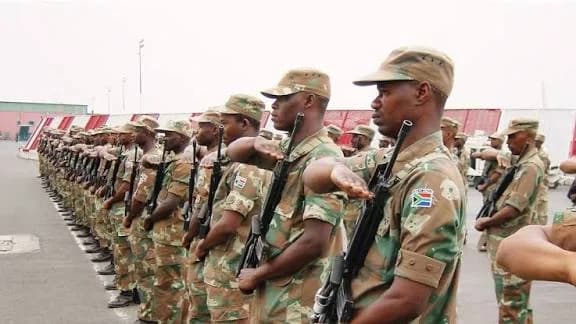
South Africa’s decision to withdraw its troops from the United Nations peacekeeping mission in the Democratic Republic of Congo is being widely viewed as more than a routine military redeployment, it reflects a broader shift in Pretoria’s defence posture and raises fresh questions about the future of international peacekeeping in Africa’s most volatile conflict zone. President Cyril Ramaphosa’s office confirmed late Saturday that South Africa will end its participation in the UN mission before the close of 2026, bringing to a close 27 years of continuous involvement in Congo’s peace and stabilization efforts.
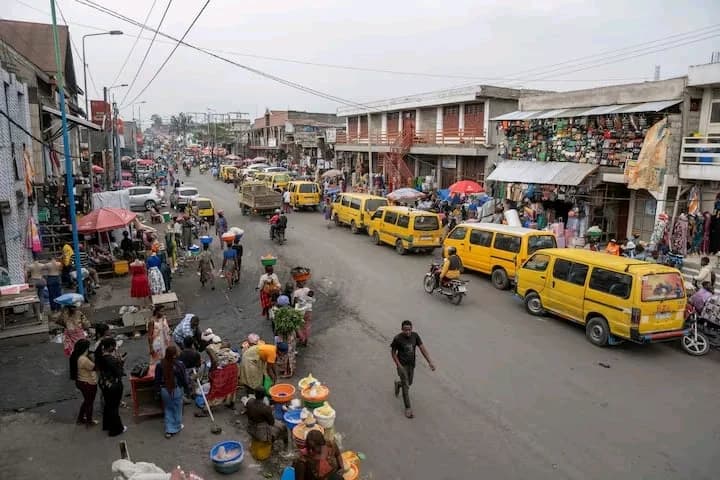
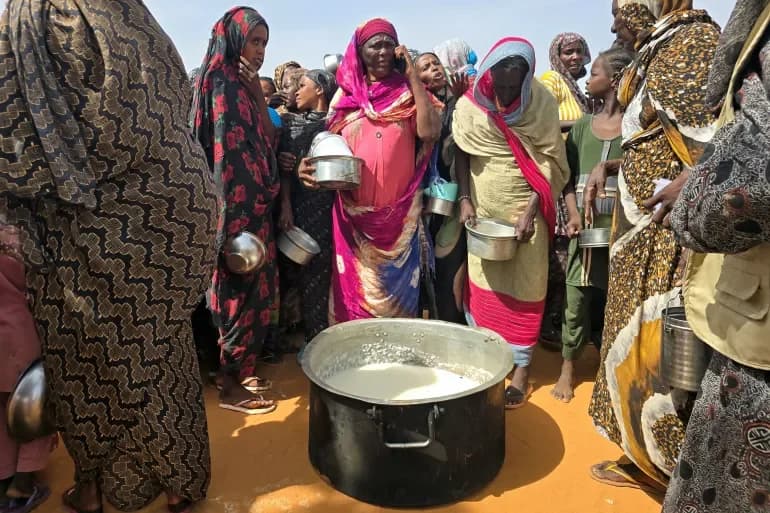
DR.C people moving freely with out fear doing their day today work in peace
A Strategic Recalibration at Home
While the government cited the need to “realign” military resources, analysts suggest the withdrawal may also reflect growing pressure on South Africa’s armed forces, which have faced operational strain, budget limitations, and competing domestic priorities. With more than 700 South African soldiers currently deployed, the move underscores the challenge facing many African states: balancing regional security responsibilities with internal demands. The decision may indicate Pretoria’s intention to redirect resources toward national defence readiness and other regional commitments closer to home.
Implications for Congo’s Fragile East
South Africa’s exit comes at a delicate moment for eastern Congo, where rebel activity has surged in recent months. The UN mission, which includes nearly 11,000 troops and police, is mandated to counter dozens of armed groups operating across North Kivu and surrounding provinces. Recent escalations around Goma, a key commercial and humanitarian hub, have highlighted the persistent instability that continues to threaten civilian life and economic activity. South Africa’s withdrawal could create new gaps in operational capacity, particularly as the mission faces increasing criticism over its effectiveness.
Pressure on the United Nations and Regional Actors
The announcement is likely to intensify scrutiny of the UN’s long-running Congo operation, one of the world’s largest and most expensive peacekeeping deployments. As a major contributor prepares to leave, the UN may need to seek additional troop support from other nations or lean more heavily on African-led regional forces to maintain stability. Observers say this could accelerate discussions about shifting security responsibility away from UN missions and toward African Union or sub-regional frameworks.
Diplomatic Message Beyond the Battlefield
Pretoria emphasized that the withdrawal does not signal disengagement from Congo. Ramaphosa’s office reaffirmed South Africa’s commitment to maintaining strong bilateral relations with Kinshasa and supporting multilateral peace initiatives. Still, the troop pullout carries diplomatic weight: it reflects frustration shared by many troop-contributing countries over prolonged missions with limited political progress on the ground.
A Turning Point for Peacekeeping in Africa?
South Africa’s departure could mark a wider trend across the continent, as governments reassess the cost and impact of extended peacekeeping operations.
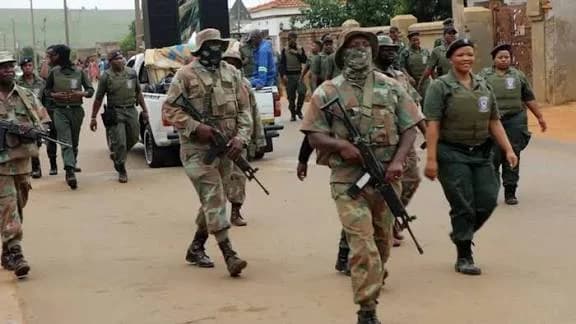
South African soldiers occupying places in DRC as their as they're preparing for the departure
For Congo, the decision adds uncertainty at a time when armed conflict continues to destabilize the east. For the UN, it presents another test of whether international peacekeeping can adapt to evolving security threats or whether a new model for conflict resolution in Africa is urgently needed. South Africa’s planned withdrawal, set for completion before the end of 2026, is poised to reshape both Congo’s security landscape and the future of UN peacekeeping across the continent. Source: CNBC
Comments
No comments yet. Be the first to share a thought.