
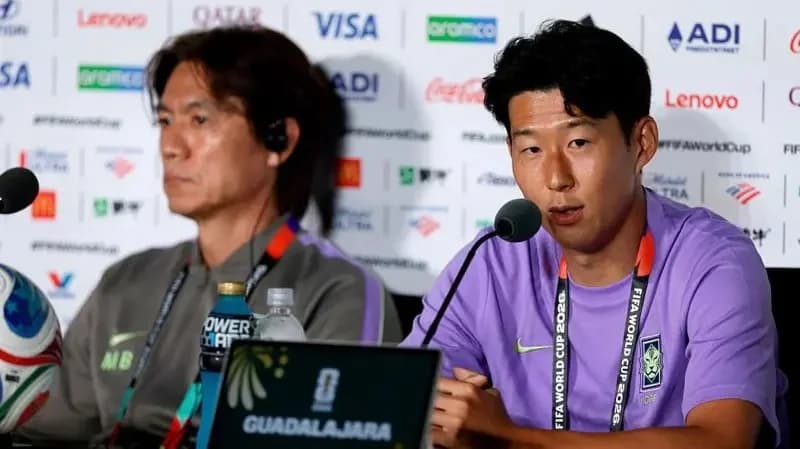
The elimination of South Korea from the 2026 FIFA World Cup has sparked one of the biggest crises in the nation's football history, leading to the resignation of head coach Hong Myung-bo and raising serious questions about the future of the country's football leadership. Hong Myung-bo stepped down on Sunday, just hours after South Korea's group-stage exit was officially confirmed, apologizing to supporters by saying, "I am genuinely very sorry." The resignation marks another painful chapter for a nation that has long been regarded as one of Asia's football powerhouses. The disappointment goes
The elimination of South Korea from the 2026 FIFA World Cup has sparked one of the biggest crises in the nation's football history, leading to the resignation of head coach Hong Myung-bo and raising serious questions about the future of the country's football leadership.
Hong Myung-bo stepped down on Sunday, just hours after South Korea's group-stage exit was officially confirmed, apologizing to supporters by saying, "I am genuinely very sorry." The resignation marks another painful chapter for a nation that has long been regarded as one of Asia's football powerhouses.
The disappointment goes far beyond the results on the pitch. South Korea began their campaign with a promising 2-1 victory over the Czech Republic before suffering a narrow 1-0 defeat to hosts Mexico. The decisive blow came in a shocking loss to South Africa, a result that left fans furious and ended hopes of reaching the knockout stage.
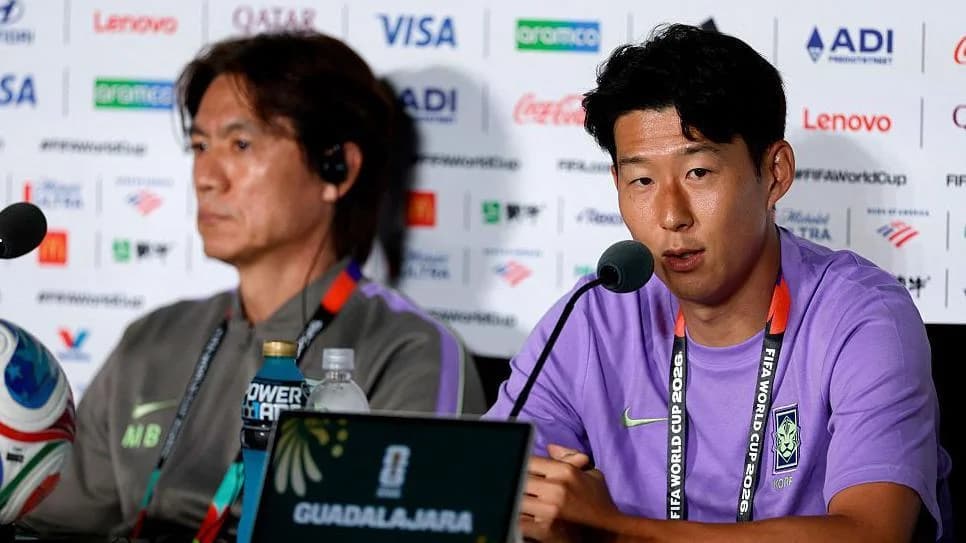
Hong's decision to leave captain Son Heung-min on the bench for the crucial final group match became the biggest talking point. Former South Korea international Lee Young-pyo described the performance as "the worst match by a Korean football team in the 21st century," reflecting the anger shared by millions of supporters.
The backlash has been severe. Reports suggest Hong received death threats following the team's elimination, forcing authorities to keep the arrival details of players and coaching staff confidential. Despite the criticism, most fans have directed their frustration toward the Korea Football Association (KFA) rather than the players themselves.
South Korean football legend Park Ji-sung summed up the nation's disappointment, saying it was "miserable" that the country had reached a point where it needed to question how its football had declined so dramatically.
The crisis has even drawn the attention of President Lee Jae-myung, who issued a rare public statement criticizing the administration of football in the country. He argued that the World Cup failure reflected poor leadership and questioned the system used to appoint coaches and football officials.
Much of the criticism has focused on KFA president Chung Mong-gyu, who has led the federation since 2013. His appointment of Hong Myung-bo in 2024, following the controversial hiring of Jürgen Klinsmann a year earlier, was widely criticized for lacking transparency. Although Chung announced before the tournament that he intended to step down after the World Cup, many supporters believe the damage to Korean football has already been done.
The World Cup disappointment has also highlighted the growing gap between South Korea and regional rivals Japan. Once considered Asia's football leader, South Korea now finds itself trailing behind a Japanese system praised for its long-term planning, youth development, and consistent success at both club and international levels.
While Japanese clubs continue to dominate continental competitions and produce more European-based stars, South Korea has struggled with instability, frequent coaching changes, and governance issues. Many fans believe the country's football structure needs a complete overhaul rather than another managerial change.
For veteran captain Son Heung-min, who turns 34 next month, the tournament could mark the end of an outstanding international career. Although he has escaped much of the public criticism, questions remain over whether he will continue representing the national team after such a painful campaign.
With no head coach, an outgoing football federation president, and widespread public frustration, South Korean football now faces one of the most important rebuilding periods in its history. Many hope that the painful lessons of the 2026 World Cup will become the catalyst for sweeping reforms that can restore the nation's status among Asia's elite football nations.
The road back will not be easy, but for South Korea, change has never felt more necessary.



Comments
No comments yet. Be the first to share a thought.