
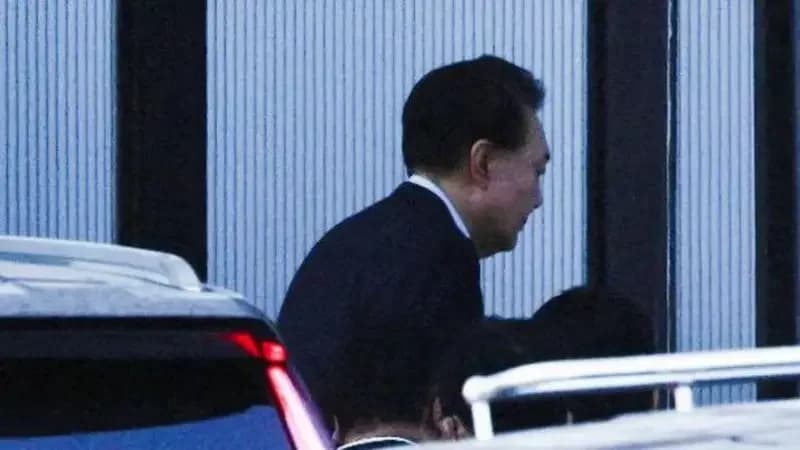
South Korean President Yoon Suk Yeol was arrested on January 15, 2025, for questioning by the country’s anti-corruption agency following his impeachment and the controversial declaration of martial law in December 2024. This marks the first time a sitting South Korean president has been detained while in office, plunging the nation into a significant political crisis. The arrest operation at Yoon's official residence in Hannam-dong, Seoul, was both complex and tense. Authorities, including the Corruption Investigation Office for High-ranking Officials (CIO) and over 1,000 police officers, fa
South Korean President Yoon Suk Yeol was arrested on January 15, 2025, for questioning by the country’s anti-corruption agency following his impeachment and the controversial declaration of martial law in December 2024. This marks the first time a sitting South Korean president has been detained while in office, plunging the nation into a significant political crisis. The arrest operation at Yoon's official residence in Hannam-dong, Seoul, was both complex and tense. Authorities, including the Corruption Investigation Office for High-ranking Officials (CIO) and over 1,000 police officers, faced resistance from the Presidential Security Service and thousands of Yoon's supporters, who had formed a human shield around the compound. Despite these challenges, the operation concluded with Yoon surrendering to prevent further violence, although he maintained that the investigation was illegal. The roots of this crisis trace back to December 3, 2024, when President Yoon declared martial law amid escalating political tensions. The move was met with swift backlash, leading to his impeachment by the National Assembly on December 14. Yoon's impeachment trial is currently underway in the Constitutional Court, which has 180 days from the impeachment date to decide on his permanent removal from office. If upheld, this would necessitate a snap presidential election. Public opinion in South Korea is deeply divided over Yoon's arrest. Opponents view it as a necessary step toward restoring constitutional order and democracy, while supporters decry it as an illegal act that could lead to further unrest. The situation remains volatile, with ongoing protests and a nation on edge as it navigates this unprecedented political turmoil.



Comments
No comments yet. Be the first to share a thought.