
Spain is in mourning following its deadliest rail disaster in over a decade, after a high-speed collision in southern Spain left at least 41 people dead and more than 120 injured. The tragedy occurred near Adamuz, Córdoba, on Sunday evening when a Madrid-bound train derailed and crossed into the path of an oncoming train from Málaga to Madrid. Emergency teams worked through the night to recover victims, with three bodies still trapped inside wrecked carriages. King Felipe VI and Queen Letizia visited the crash site on Tuesday, meeting with emergency workers and later visiting injured passenger
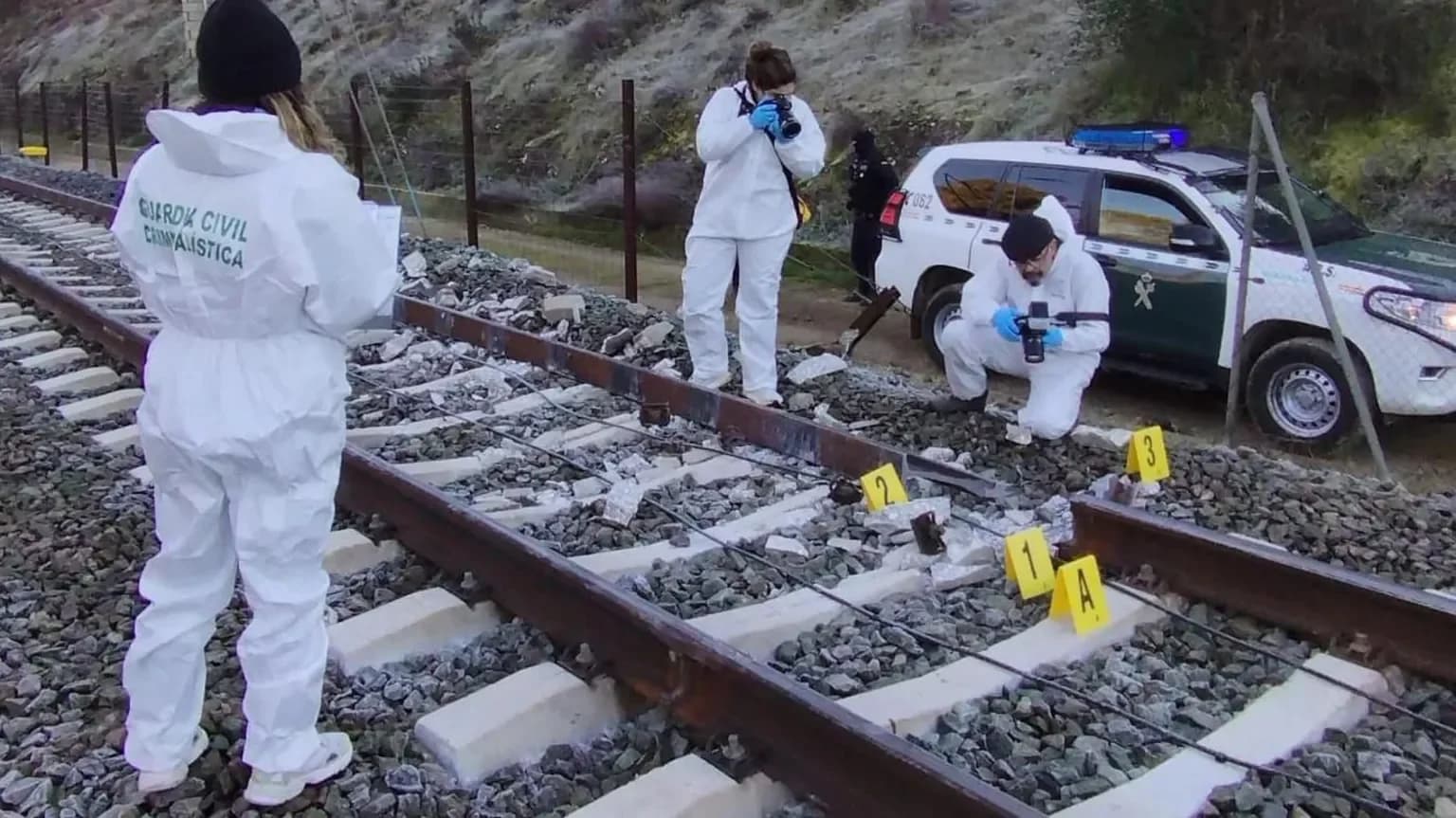
Spain is in mourning following its deadliest rail disaster in over a decade, after a high-speed collision in southern Spain left at least 41 people dead and more than 120 injured. The tragedy occurred near Adamuz, Córdoba, on Sunday evening when a Madrid-bound train derailed and crossed into the path of an oncoming train from Málaga to Madrid. Emergency teams worked through the night to recover victims, with three bodies still trapped inside wrecked carriages. King Felipe VI and Queen Letizia visited the crash site on Tuesday, meeting with emergency workers and later visiting injured passengers at Reina Sofía Hospital in Córdoba. The Spanish government has declared three days of national mourning, while Prime Minister Pedro Sánchez canceled his scheduled trip to the World Economic Forum in Davos, vowing to uncover the cause of the disaster. Authorities have ruled out sabotage. The primary focus of investigators is a broken rail on the high-speed line, with particular attention on a 30-centimeter gap found in one of the rails. Technicians have suggested that a deteriorated weld could be the likely cause of the derailment. Transport Minister Óscar Puente emphasized that while many cracks were discovered on the track, it remains unclear whether they caused the derailment or were a result of it. Interior Minister Fernando Grande-Marlaska confirmed that all hypotheses remain under consideration. The collision involved two trains carrying around 400 passengers and staff. The Huelva-bound Renfe Alvia 2384 train had four carriages, while the Iryo 6189 train from Málaga to Madrid had eight. Reports indicate that carriages 6, 7, and 8 of the Iryo train derailed near a set of points, colliding within seconds with the oncoming train. The front carriages of the Huelva-bound train bore the brunt of the impact. Rail network operator Adif confirmed the crash happened on a straight stretch of track at 19:45 local time (18:45 GMT), roughly an hour after the Málaga-bound train departed. Rescue operations described the impact as feeling like an "earthquake," with carriages tipped over and passengers trapped inside. Spanish media reported that train drivers had previously raised concerns about the condition of the Madrid-Andalusia line in August, requesting a reduced speed limit due to increased train traffic and track strain. However, both trains were reportedly operating below the maximum speed limit when the collision occurred. All high-speed rail services between Madrid and southern cities including Málaga, Córdoba, Sevilla, and Huelva have been suspended until Friday, as investigators continue their work. Authorities are working to identify the victims and determine the precise cause of the derailment, a process that could take at least a month. Spain now faces the challenge of understanding how such a disaster occurred and preventing future tragedies.



Comments
No comments yet. Be the first to share a thought.