
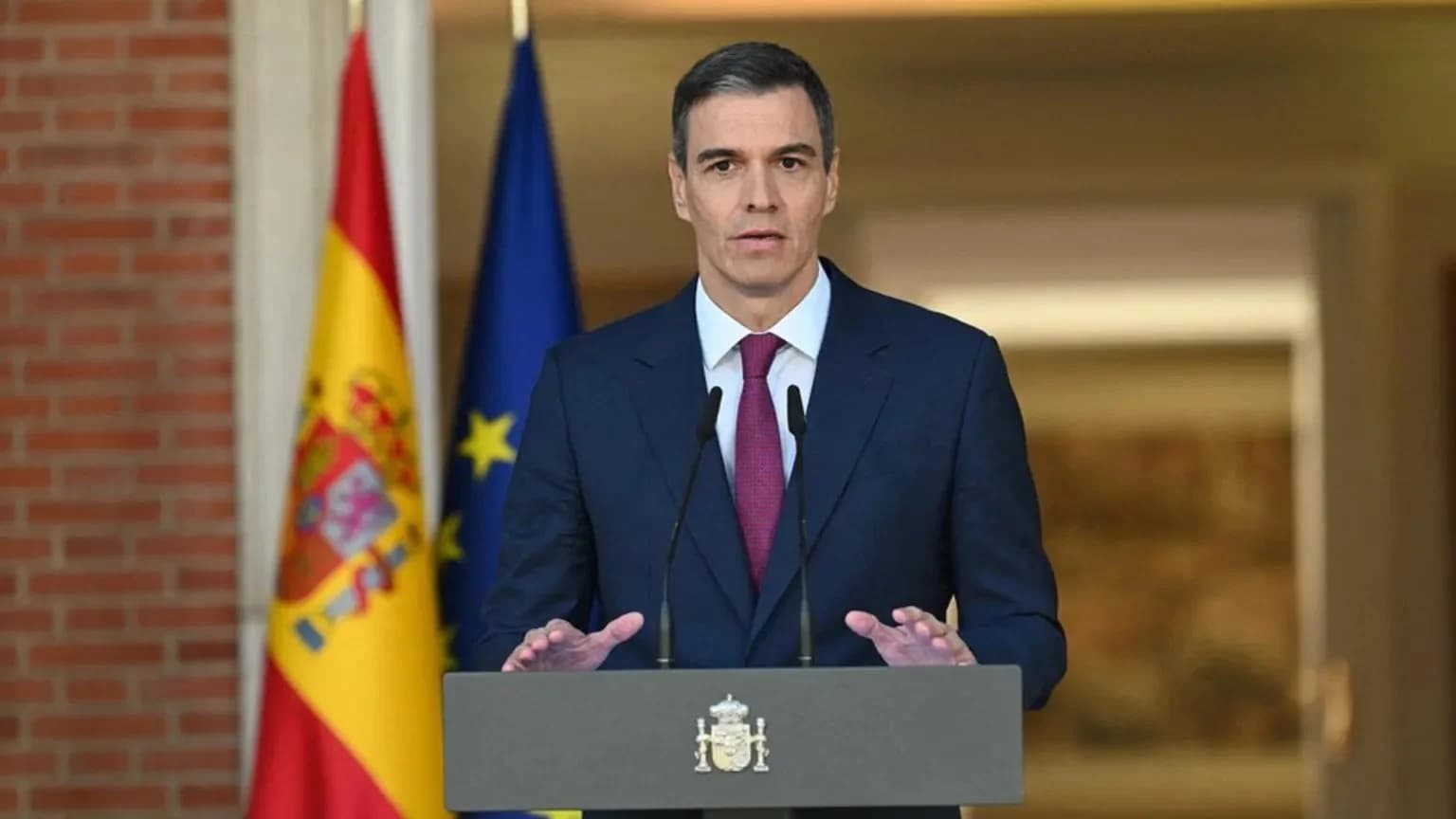
In a move that has sent shockwaves through the NATO alliance, Spanish Prime Minister Pedro Sánchez has formally rejected any participation in the US led military campaign against Iran. Standing firm against an extraordinary threat of a total trade embargo from President Donald Trump, Sánchez declared that Spain will not be complicit in a conflict he characterized as a dangerous violation of international law. The diplomatic divorce between Madrid and Washington reached a breaking point this week after the Spanish government denied the United States permission to use jointly operated military
In a move that has sent shockwaves through the NATO alliance, Spanish Prime Minister Pedro Sánchez has formally rejected any participation in the US led military campaign against Iran. Standing firm against an extraordinary threat of a total trade embargo from President Donald Trump, Sánchez declared that Spain will not be complicit in a conflict he characterized as a dangerous violation of international law. The diplomatic divorce between Madrid and Washington reached a breaking point this week after the Spanish government denied the United States permission to use jointly operated military bases at Rota and Morón de la Frontera for offensive strikes against Iranian targets. The refusal marks the most significant fracture in Western unity since the 2003 invasion of Iraq, as Spain positions itself as the leading European voice against what it calls an unjustified and dangerous military intervention.
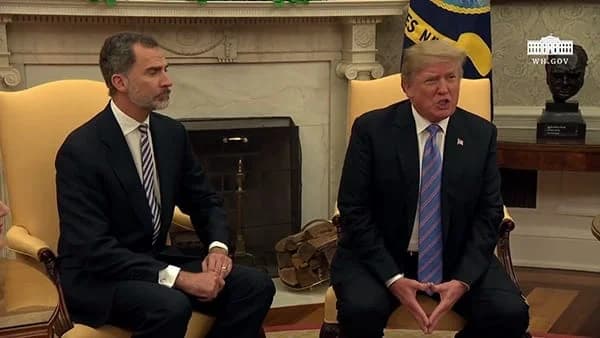
The tension escalated rapidly after President Trump labeled Spain as a terrible ally and instructed the US Treasury to explore cutting off all trade with the country. Washington has argued that Spain’s refusal to allow refueling aircraft to operate from its soil has directly endangered American lives by slowing down military operations. However, in a televised address from La Moncloa Palace on Wednesday, Sánchez invoked the ghosts of 2003, comparing the current strikes to the Iraq War. "Twenty three years ago, another decision dragged us into a war in the Middle East that unleashed a wave of insecurity... We are not going to be complicit in something that is bad for the world and contrary to our values, simply out of fear of reprisals from someone." Pedro Sánchez, Spanish Prime Minister. Foreign Minister José Manuel Albares supported this stance, flatly refuting White House claims that Madrid had secretly agreed to cooperate. "The position of the Spanish government has not changed," Albares told reporters, emphasizing that any military action must be covered by the UN Charter.
While allies like the UK and Germany have shown a willingness to undertake proportionate defensive action, Spain remains isolated among major European powers in its total refusal of logistical support. The European Union has since rallied behind Madrid, with European Council President Antonio Costa stating that any threat against a member state is a threat against the EU. As the US military moves its refueling tankers from Spanish bases to more cooperative territory in Germany and France, the economic future of the Spain-US relationship remains uncertain. Sánchez has warned that the current path is akin to playing Russian roulette with the destiny of millions, prioritizing a diplomatic return to the negotiating table over military escalation. With Spanish business groups expressing deep concern over potential tariffs, the Sánchez administration is gambling that EU trade protections and the moral high ground of international law will shield the country from Washington’s wrath. For now, Madrid’s message to the world is distilled into four words; "No to the war."



Comments
No comments yet. Be the first to share a thought.