
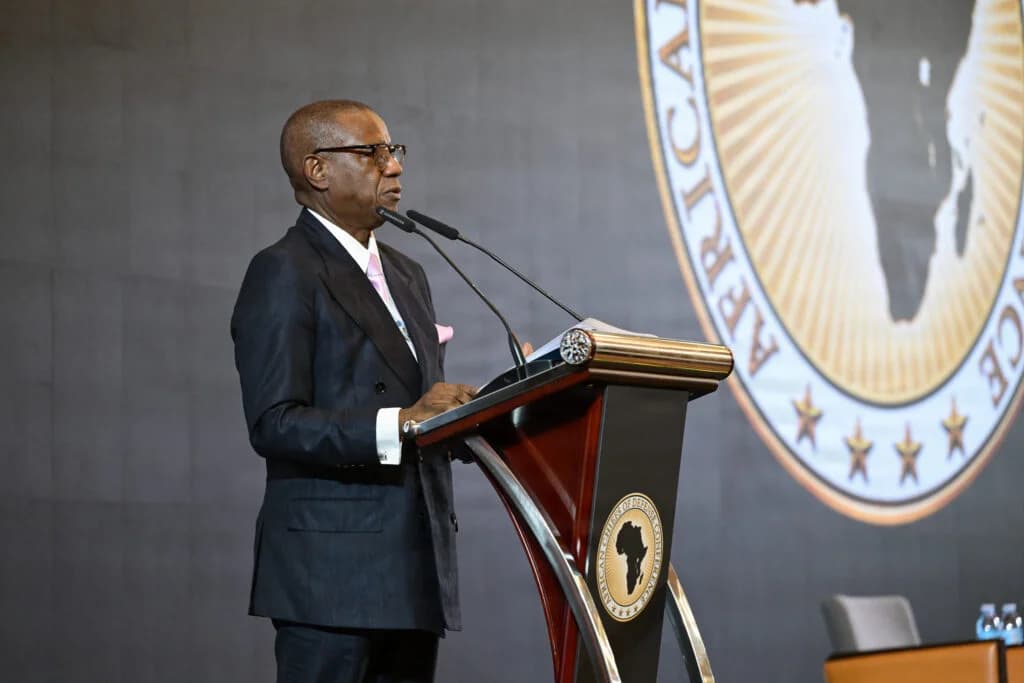
For many African countries, the fight against terrorism is no longer only a military challenge. Security experts and policymakers increasingly argue that lasting peace requires a broader approach that combines defence, economic development and social opportunities. Speaking at the African Chiefs of Defence Conference in Luanda, Angola, former Angolan State Minister and law professor Dr Carlos Maria da Silva Feijó urged African military leaders to view counter-terrorism as a driver of economic stability rather than a separate security issue. According to Feijó, security and development are deep
For many African countries, the fight against terrorism is no longer only a military challenge. Security experts and policymakers increasingly argue that lasting peace requires a broader approach that combines defence, economic development and social opportunities.
Speaking at the African Chiefs of Defence Conference in Luanda, Angola, former Angolan State Minister and law professor Dr Carlos Maria da Silva Feijó urged African military leaders to view counter-terrorism as a driver of economic stability rather than a separate security issue.
According to Feijó, security and development are deeply connected: a secure environment attracts investment, while economic growth reduces the conditions that allow extremist groups to recruit.
“Security creates the environment that makes economic growth possible, and economic growth creates the conditions that improve security,” he said.
Security analysts have long warned that terrorism often grows in areas where communities experience poverty, unemployment, weak government presence and limited access to essential services.
In parts of West Africa’s coastal and Sahel regions, remote border communities have sometimes been left behind in national development plans. Experts say these conditions can create frustration and make young people more vulnerable to extremist propaganda.
Researchers argue that investments in education, infrastructure, youth employment and local businesses can strengthen communities and reduce the appeal of armed groups.
Feijó challenged the idea that military investment competes with development spending. Instead, he argued that effective security institutions create the foundation needed for economic progress.
“The role of defence leaders is to create the conditions necessary for investment and recognise that Africa represents opportunities, not only risks,” he told senior military officials.
He highlighted the importance of protecting borders, preventing illegal trafficking and ensuring the safe movement of goods and people as part of economic policy.
“When armed forces protect transport routes, secure ports and prevent borders from becoming channels for illegal activities, they are implementing an important economic policy,” he said.
Côte d’Ivoire has been cited by security analysts as an example of combining military action with economic programmes. The country strengthened security along its northern border while also supporting youth employment and small business initiatives in communities vulnerable to extremist recruitment.
The International Crisis Group has noted that this combination helped reduce the risk of major extremist attacks, although continued efforts remain necessary.
Feijó also pointed to Angola’s recovery after nearly three decades of civil war as an example of how security can unlock economic opportunities. The country has spent years clearing landmines and unexploded weapons that prevented communities from farming and developing infrastructure.
“In Angola, the lesson is clear: first, the land is cleared; then it is planted,” he said.
Experts say Africa’s response to terrorism must go beyond military operations alone. Strong institutions, regional cooperation, intelligence sharing and economic inclusion are essential to creating lasting stability.
As Feijó emphasised, peace and prosperity cannot simply be announced through political decisions.
“Stability is not declared; it is built. Prosperity is not imported; it is cultivated on the solid ground of security.”



Comments
No comments yet. Be the first to share a thought.