
The Rapid Support Forces (RSF), a powerful Sudanese paramilitary group accused of widespread atrocities, announced on Thursday that it had accepted a U.S.-brokered proposal for a ceasefire in Sudan’s devastating civil war. American officials, however, said the process was still underway and that a final agreement between the RSF and the Sudanese Armed Forces (SAF) had yet to be confirmed. A spokesperson for the U.S. State Department said Washington remained in “direct engagement” with both sides to secure a humanitarian pause. “We continue to urge the RSF and SAF to move forward with the U.
The Rapid Support Forces (RSF), a powerful Sudanese paramilitary group accused of widespread atrocities, announced on Thursday that it had accepted a U.S.-brokered proposal for a ceasefire in Sudan’s devastating civil war. American officials, however, said the process was still underway and that a final agreement between the RSF and the Sudanese Armed Forces (SAF) had yet to be confirmed. A spokesperson for the U.S. State Department said Washington remained in “direct engagement” with both sides to secure a humanitarian pause. “We continue to urge the RSF and SAF to move forward with the U.S.-led effort to establish a humanitarian truce,” the official said. The RSF stated that its decision was aimed at “easing the severe humanitarian crisis and protecting civilians.” The proposed truce, developed by the “Quad” mediating group the United States, Egypt, Saudi Arabia, and the United Arab Emirates would allow emergency aid to reach millions of people trapped by months of fighting. Since the conflict erupted in April 2023, Sudan has faced one of the world’s worst humanitarian crises. The United Nations estimates that more than 14 million people have been displaced, famine is spreading across parts of the country, and disease outbreaks are worsening. The U.N. has recorded over 40,000 deaths, though aid groups believe the true figure is far higher. The RSF said it hoped to “implement the agreement swiftly and begin talks on a broader cessation of hostilities.” The power struggle between Sudan’s army chief and de facto leader, Gen. Abdel-Fattah Burhan, and his former deputy, Gen. Mohammed Hamdan Dagalo widely known as Hemedti triggered the war. Once allies, the two men jointly ousted longtime ruler Omar al-Bashir in 2019 and later removed a civilian-led government in a 2021 coup. Their relationship collapsed amid disputes over integrating the RSF into the army and the transition to civilian rule. In January, Washington accused the RSF and its allied militias of committing genocide and imposed sanctions on Hemedti and other commanders. The group’s capture of El-Fasher last week provoked international outrage after reports that food and medicine supplies to tens of thousands of civilians were cut off. U.N. Secretary-General António Guterres renewed his call this week for both sides to end hostilities and allow unrestricted delivery of humanitarian assistance. “I call on the Sudanese Armed Forces and the Rapid Support Forces to come to the negotiating table and bring an end to this nightmare of violence — now,” Guterres wrote.
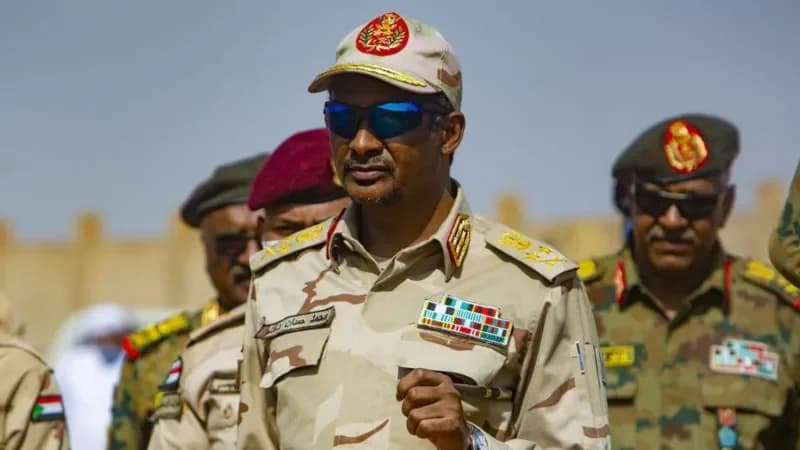
The paramilitary group, led by Gen Mohamed Hamdan Dagalo
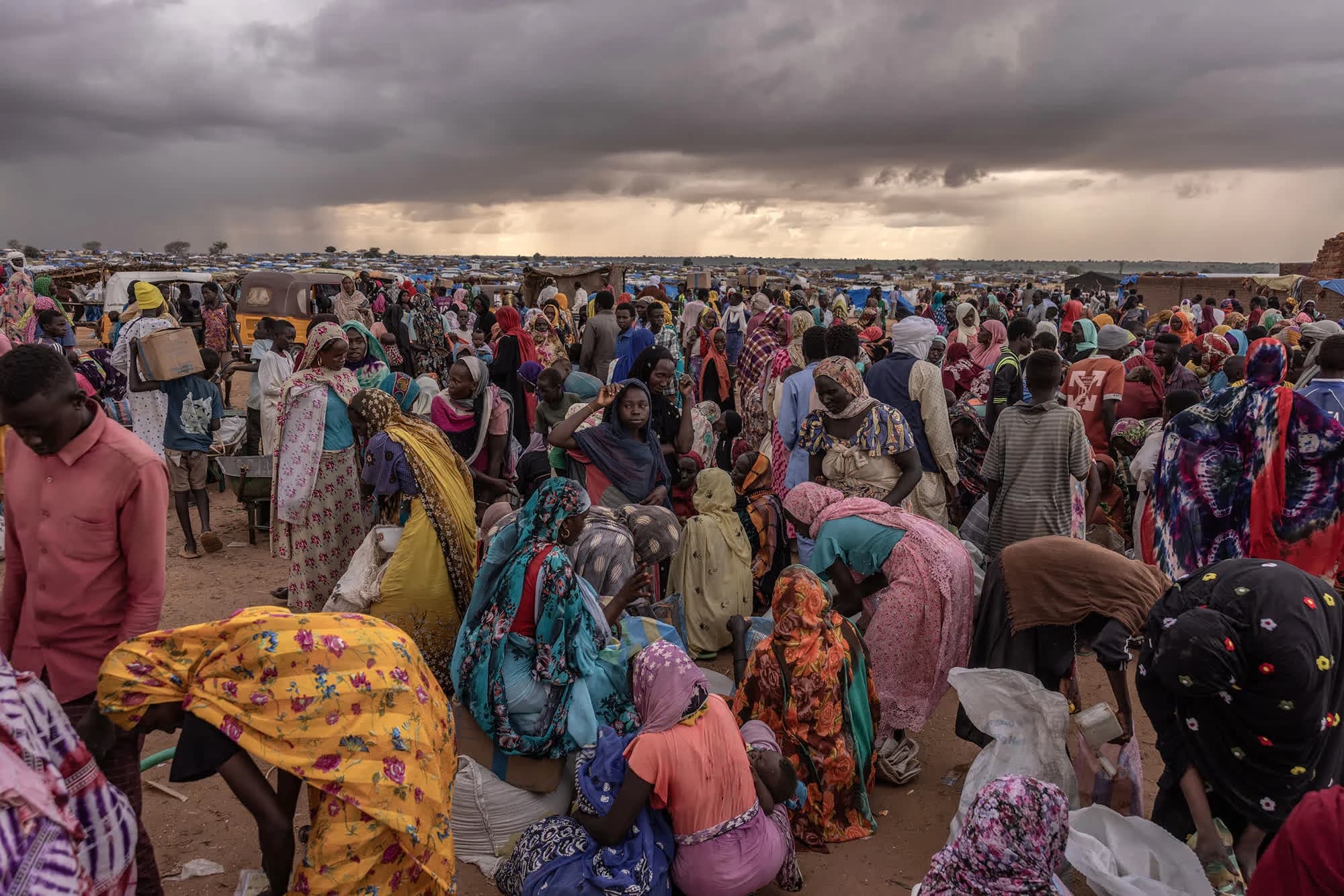
People displaced by the Sudanese war gather for a monthly food distribution in Adré refugees camp, in Chad



Comments
No comments yet. Be the first to share a thought.