
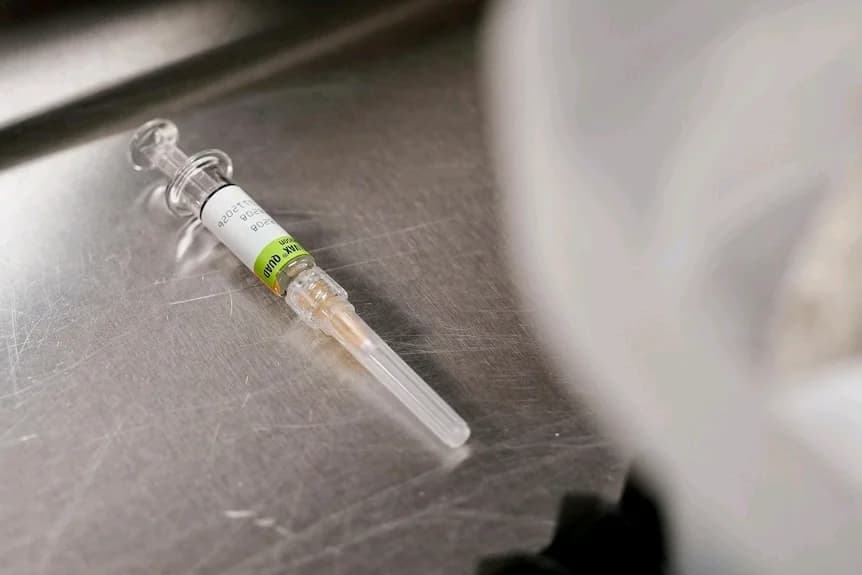
Queensland health authorities are warning of an early and unusually intense influenza surge, driven by a fast-spreading mutated strain and declining vaccination rates. Queensland has recorded a major spike in flu cases this year,with infections doubling statewide compared to the same period in 2025 and surging dramatically in the far north. Health experts say the increase is being fuelled by a highly transmissible influenza mutation known as Subclade K nicknamed “Super-K” alongside lower vaccine uptake and more indoor gatherings during the summer heat. Queensland has recorded a major spi
Queensland health authorities are warning of an early and unusually intense influenza surge, driven by a fast-spreading mutated strain and declining vaccination rates. Queensland has recorded a major spike in flu cases this year,with infections doubling statewide compared to the same period in 2025 and surging dramatically in the far north. Health experts say the increase is being fuelled by a highly transmissible influenza mutation known as Subclade K nicknamed “Super-K” alongside lower vaccine uptake and more indoor gatherings during the summer heat.
Queensland has recorded a major spike in flu cases this year, with an early and unusually intense influenza
Latest data shows flu cases in the Torres Strait have jumped to 90, nearly nine times the seasonal average. Mackay has logged 193 cases, more than five times last year’s figure, while Townsville has recorded 321 cases, also a steep rise. Torres and Cape Hospital and Health Service public health physician Dr Helen Pedgrift described the outbreaks as unexpected. “It hasn’t followed the usual pattern that we would expect,” she said, noting the region has experienced three or four flu peaks in the past 12 months rather than the typical two.
Fast-Spreading Variant Raises Concern
James Cook University infectious disease specialist Dr Hillary Vanderven said Subclade K is a mutated form of Influenza A (H3N2) that has been circulating in Australia since late last year. The CSIRO says the strain is not entirely new but has undergone multiple mutations, potentially reducing the effectiveness of current vaccines.

Michael Clements says cases will diminish as community immunity improves. (Supplied: Royal Australian College of General Practitioners)
“We’re now starting to see the emergence of new kinds of strains that aren’t necessarily perfectly covered with the vaccine,” Dr Vanderven said. While Super-K does not appear to cause more severe illness, experts say its high transmissibility is rapidly driving up infection numbers.
Summer Indoors a Key Driver
Health specialists say northern Queensland’s extreme summer temperatures may also be contributing to the spread, as more people retreat indoors into enclosed, air-conditioned spaces. “In the summer when it tends to be really, really hot, people might be indoors more than they would ordinarily be,” Dr Vanderven explained.
Vaccination Rates Falling
Despite vaccine supply being higher than ever, national figures show influenza vaccination rates have steadily declined since peaking in 2022.
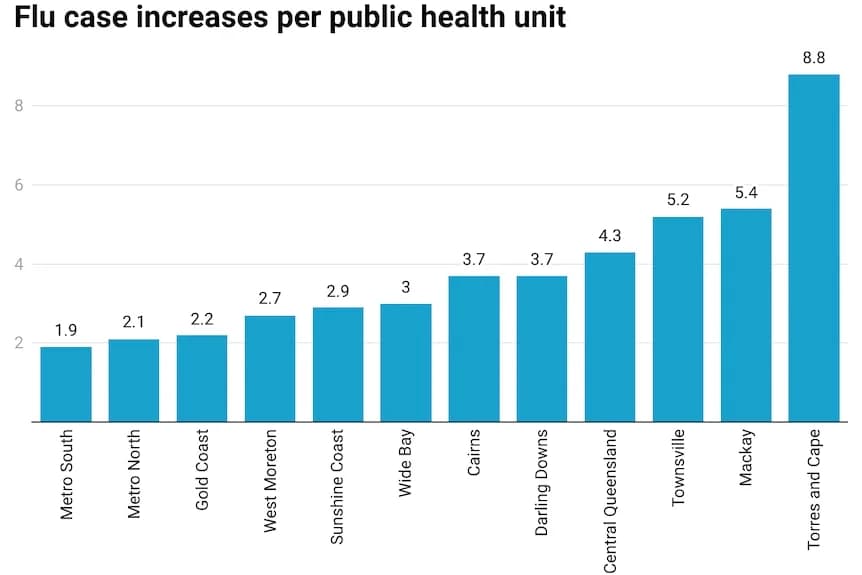
The increase in flu cases this year, based on the average number of cases usually recorded for January 1 to February 8. (Datawrapper)
NCIRS data indicates vaccination coverage among Australians over 65 has dropped from 69 per cent in 2022 to 60 per cent in 2025. Rates among children and younger adults have fallen even further. Experts warn that reduced vaccination allows influenza viruses more opportunities to spread and mutate.
Government Program Returns March 1
Queensland Healt confirmed 517 influenza cases were recorded in the week ending February 9, with 28 people hospitalised. The state government has announced its next free influenza vaccination program will begin on March 1, as authorities prepare for an early flu season.
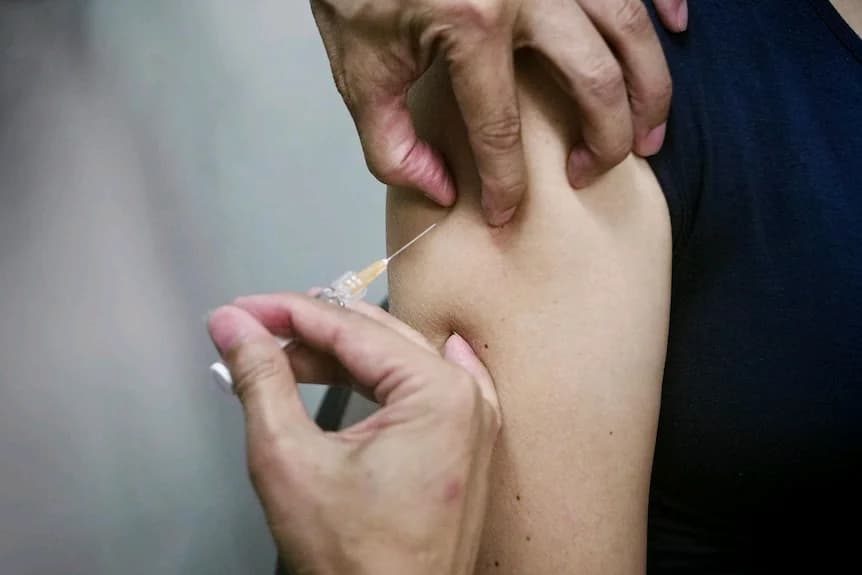
Free vaccines starts on march 1 as indicated by the authorities
Royal Australian College of General Practitioners chairman Dr Michael Clements said the return to work and school after the holiday break may also be accelerating transmission. “Case numbers will spread through the community like wildfire,” he said, adding that infections may decline once community immunity improves. Queensland Health has urged residents to continue practising good hygiene, including regular handwashing, covering coughs and sneezes, and staying home when unwell



Comments
No comments yet. Be the first to share a thought.