
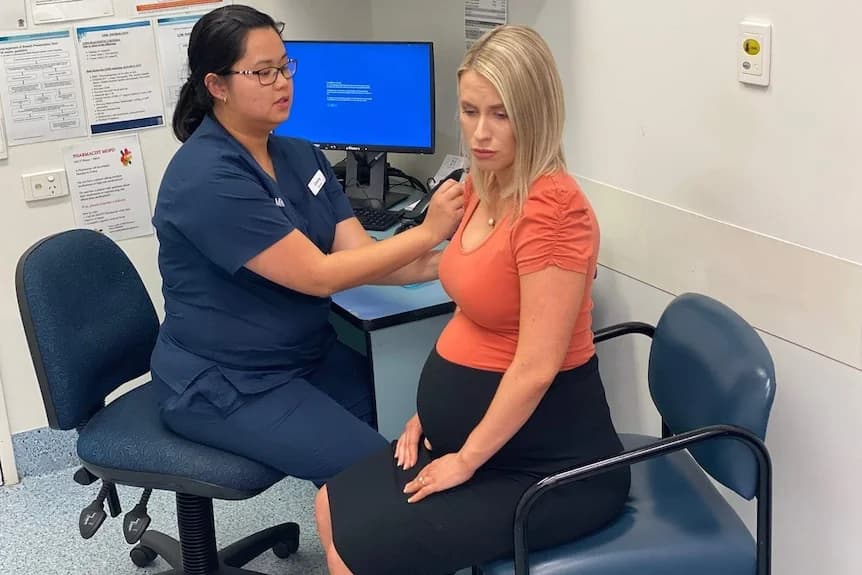
Queensland is facing a significant public health challenge as whooping cough cases surge, coinciding with a marked decline in vaccination rates among pregnant women. In 2024, the state has reported nearly 23 times more cases of the bacterial infection, also known as pertussis, compared to the same period last year. The increase has particularly impacted infants under six months old, who are most vulnerable to severe, life-threatening complications. Dr. Heidi Carroll, Executive Director of the Communicable Diseases Branch at Queensland Health, highlighted the critical risk to infants, explaini
Queensland is facing a significant public health challenge as whooping cough cases surge, coinciding with a marked decline in vaccination rates among pregnant women. In 2024, the state has reported nearly 23 times more cases of the bacterial infection, also known as pertussis, compared to the same period last year. The increase has particularly impacted infants under six months old, who are most vulnerable to severe, life-threatening complications. Dr. Heidi Carroll, Executive Director of the Communicable Diseases Branch at Queensland Health, highlighted the critical risk to infants, explaining, “They cough so much that they can't catch their breath. They then can't get enough oxygen into their systems.” Vaccination during pregnancy is crucial, as it provides newborns with protective antibodies during their first months of life, a period when they are too young for their own immunization. Health authorities are urging expectant mothers to prioritize vaccination, warning that failure to reverse this trend could lead to even higher infection rates. Queensland Health has launched awareness campaigns to combat vaccine hesitancy and improve access to immunization services. This situation underscores the importance of maintaining high vaccination coverage to protect vulnerable populations and prevent further outbreaks.



Comments
No comments yet. Be the first to share a thought.