
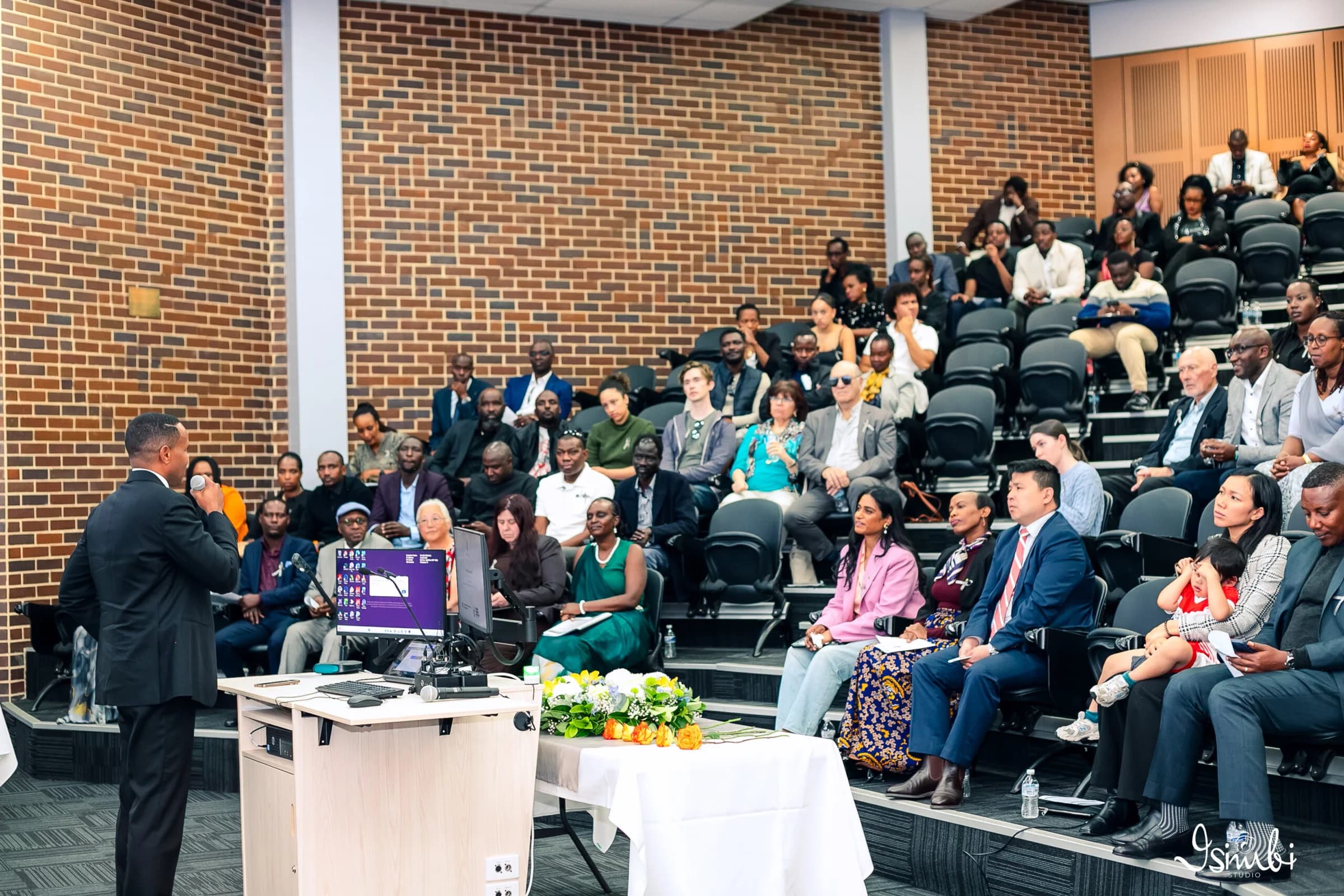
Members of the Rwandan community and friends of Rwanda gathered at Australian Catholic University (ACU) in Sydney on Saturday to mark Kwibuka 32, the 32nd commemoration of the 1994 Genocide against the Tutsi, honouring more than one million victims killed in Rwanda over 100 days in 1994. The event brought together survivors, diplomats, community leaders and supporters for a ceremony featuring candle-lighting tributes, wreath-laying, moments of silence, survivor testimony and a documentary screening on Rwanda's post-genocide reconstruction. Opening the ceremony, the host set the tone of the gat
Members of the Rwandan community and friends of Rwanda gathered at Australian Catholic University (ACU) in Sydney on Saturday to mark Kwibuka 32, the 32nd commemoration of the 1994 Genocide against the Tutsi, honouring more than one million victims killed in Rwanda over 100 days in 1994.
The event brought together survivors, diplomats, community leaders and supporters for a ceremony featuring candle-lighting tributes, wreath-laying, moments of silence, survivor testimony and a documentary screening on Rwanda's post-genocide reconstruction.
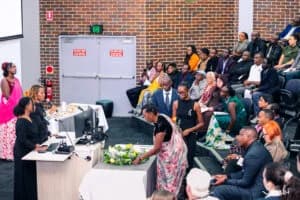
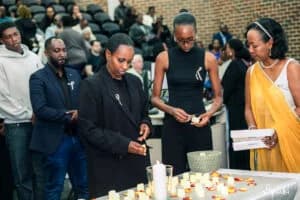
Opening the ceremony, the host set the tone of the gathering. "We remember because we refuse our loved ones to be forgotten, because we never had a chance to bury them or say goodbye," the host said.
"From unimaginable loss, our country began to rebuild itself. Survivors chose resilience, communities chose reconciliation, and the nation chose to move forward, not by forgetting, but by remembering with goodness."
Amon Aruho, Chairman of the Rwanda Community Abroad (RCA) in New South Wales, addressed attendees on the meaning of the annual commemoration. "Kwibuka doesn't only mean to remember the past, but also about responsibility, the responsibility to fight hatred, division, denial and injustice, so that it will never happen again," Aruho said.
"The responsibility to teach our future generations the truth, and to protect humanity through unity, compassion and truth."
Professor Monica Wong of ACU emphasized the collective obligation to confront history. "The truth, whether good or bad, we have to seek and understand it," Wong said. "We have to understand it to guide our future, and it is everyone's responsibility."
Guest of honour Jasmina Bajraktarević, President of the Service for the Treatment and Rehabilitation of Torture and Trauma Survivors (STARTTS), addressed the gathering on the lasting psychological impact of mass atrocity.
Drawing on her personal experience and professional expertise, she reminded survivors and the broader community of the importance of mental health in the aftermath of trauma.
"It is a trauma more than it is an emotion," Bajraktarević said. "Severe or prolonged trauma changes the bodies and brains, and those changes don't disappear when the danger is done."
Attendees also viewed a documentary tracing Rwanda's journey from the depths of the genocide to its reconstruction, and heard testimony from Omar Ndizeye, author of Life and Death in Nyamata.
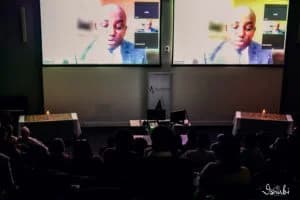
A message from High Commissioner Innocent B. Muhizi, representing the Republic of Rwanda to the Commonwealth of Australia, was played to the gathering.
Muhizi reminded attendees of the urgent need to combat genocide ideology, denial and division, warning that these forces had found new channels of circulation through social media.
Kwibuka meaning "remember" in Kinyarwanda, is observed annually beginning 7 April and continues for 100 days, reflecting the duration of the genocide. Rwandan communities across the world, including in Australia, hold remembrance events each year to honour victims and stand in solidarity with survivors.



Comments
No comments yet. Be the first to share a thought.