
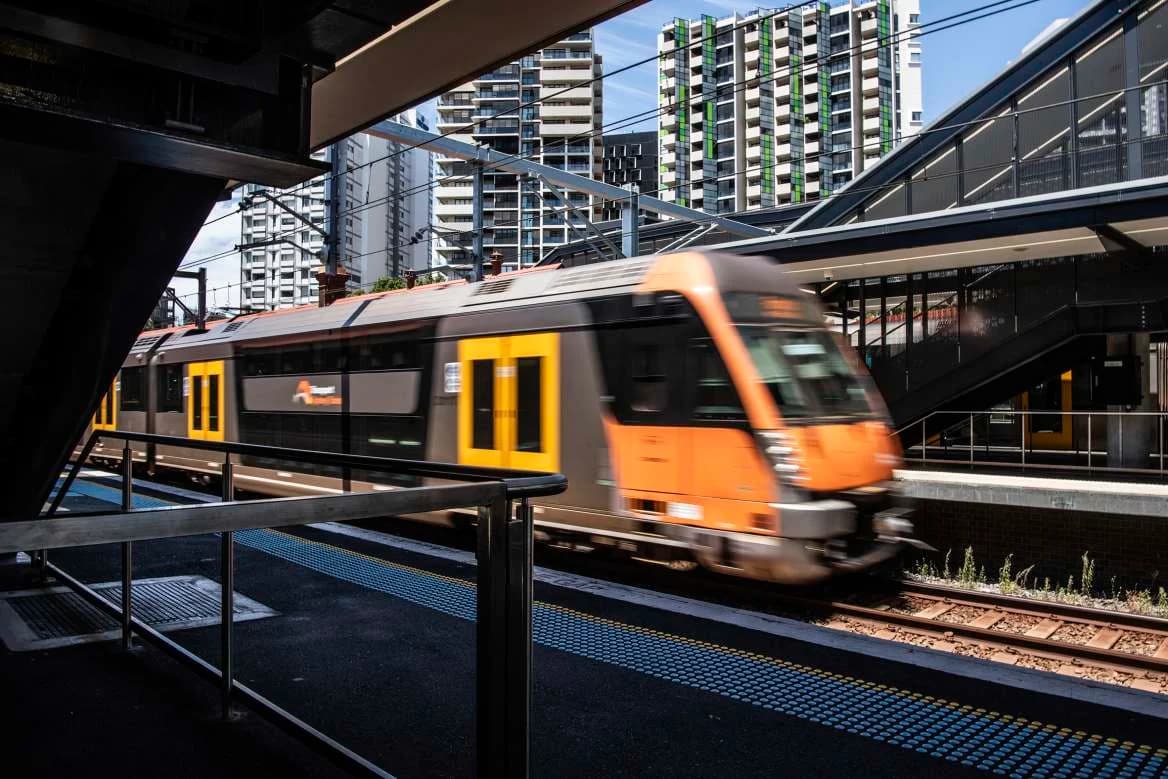
Sydney’s rail network faces continued uncertainty as negotiations between the Rail, Tram, and Bus Union (RTBU) and the New South Wales (NSW) government remain unresolved. The dispute centers on the union’s push for a new pay agreement, with both sides holding firm to their positions. The RTBU is demanding a pay rise of four per cent in the first year, followed by annual increases of 3.5 per cent for the next two years. These demands reflect workers’ frustrations over inflation, rising living costs, and the lingering effects of the COVID-19 pandemic on their workloads. The union argues that th
Sydney’s rail network faces continued uncertainty as negotiations between the Rail, Tram, and Bus Union (RTBU) and the New South Wales (NSW) government remain unresolved. The dispute centers on the union’s push for a new pay agreement, with both sides holding firm to their positions. The RTBU is demanding a pay rise of four per cent in the first year, followed by annual increases of 3.5 per cent for the next two years. These demands reflect workers’ frustrations over inflation, rising living costs, and the lingering effects of the COVID-19 pandemic on their workloads. The union argues that the increases are necessary to address long-standing challenges faced by frontline staff. On the other hand, the NSW government, led by Premier Chris Minns, faces budgetary constraints and broader economic considerations. While it acknowledges the contributions of public sector workers, it has raised concerns over the financial strain such pay increases could place on the state’s finances. The government’s resistance to the union’s demands has led to a breakdown in negotiations. Commuters are already feeling the effects of the deadlock, with disruptions to daily travel becoming increasingly common. Strikes, work stoppages, and delays have caused frustration among Sydney’s workforce and students. While some sympathize with rail workers’ calls for fair pay, ongoing disruptions risk alienating public support. The RTBU’s demands highlight the need to address the pressures faced by rail workers, including long hours, staff shortages, and inflation-driven financial challenges. However, the government must also balance these concerns with fiscal sustainability, as granting significant pay increases could lead to similar demands across other public sectors. The impasse represents a critical moment for the future of Sydney’s rail network. Prolonged disruptions could strain relations between the government and public sector workers, while meeting union demands might create broader economic challenges. Both sides must work toward a resolution that ensures fair compensation for workers without jeopardizing the state’s financial stability. The outcome of this dispute will have lasting implications, not only for rail workers and commuters but also for the broader public service landscape in NSW. Finding a balanced solution will be key to restoring stability and maintaining public confidence in the transport system.



Comments
No comments yet. Be the first to share a thought.