
Tensions in the Middle East escalated sharply on Friday, June 13, as Israel launched widespread airstrikes across Iran, killing three top Iranian generals, including the Chief of Staff of the Iranian Armed Forces, the Commander of the Islamic Revolutionary Guard Corps (IRGC), and the Commander of Iran’s Emergency Command. According to Israeli authorities, more than 200 fighter jets participated in the operation, which they claimed targeted the "heart" of Iran’s nuclear program. Iranian state media confirmed the deaths of the three generals and reported that several nuclear scientists were al
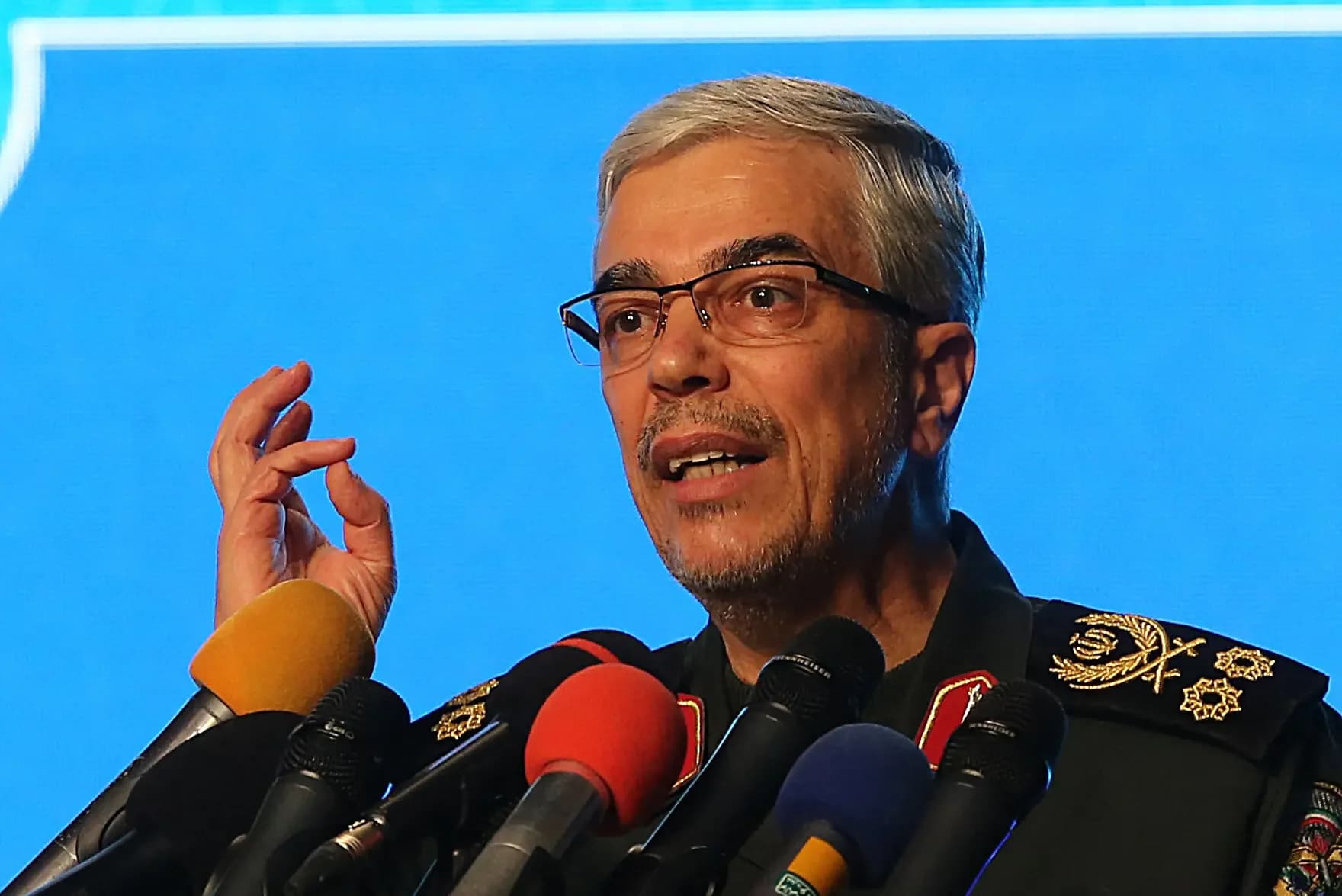
Tensions in the Middle East escalated sharply on Friday, June 13, as Israel launched widespread airstrikes across Iran, killing three top Iranian generals, including the Chief of Staff of the Iranian Armed Forces, the Commander of the Islamic Revolutionary Guard Corps (IRGC), and the Commander of Iran’s Emergency Command. According to Israeli authorities, more than 200 fighter jets participated in the operation, which they claimed targeted the "heart" of Iran’s nuclear program. Iranian state media confirmed the deaths of the three generals and reported that several nuclear scientists were also killed in the attacks. The Israel Defense Forces (IDF) described the generals as “three ruthless mass murderers with international blood on their hands,” adding on X “The world is a better place without them.” Iran’s Supreme Leader, Ayatollah Ali Khamenei, who also serves as the Commander-in-Chief of the armed forces, responded in a statement broadcast on state television. He condemned the attacks, warning that Israel should expect “a harsh punishment.” "Israel has opened its dirty and bloody hands to commit a crime against Iran," Khamenei stated. "By targeting residential areas, the regime has revealed its evil nature more than ever. It must expect severe retaliation." Abolfazl Shekarchi, spokesperson for Iran’s armed forces, echoed the warning, telling Iranian media that Israel will "pay a heavy price" for its actions. Meanwhile, Iran and the United States remain engaged in ongoing negotiations aimed at reaching a deal to limit Iran’s nuclear program in exchange for sanctions relief. In an interview with Fox News, U.S. President Donald Trump clarified that Washington had no involvement in the Israeli strikes. “Iran cannot have a nuclear bomb, and we are hoping to return to the negotiating table. We’ll see,” Trump said, adding that the U.S. will help defend Israel if Iran retaliates. U.S. Secretary of State Marco Rubio issued a statement reiterating that the United States was not part of the operation. “Our top priority is protecting American forces in the region,” Rubio said. “Let me be clear: Iran should not target U.S. interests or personnel.” The White House announced that President Trump is expected to convene a meeting of the National Security Council on Friday morning. In retaliation, the Israeli military reported that Iran had launched a counter-attack involving more than 100 drones. The IDF said it had begun intercepting them outside Israeli airspace, and a state of emergency was declared across Israel.



Comments
No comments yet. Be the first to share a thought.