
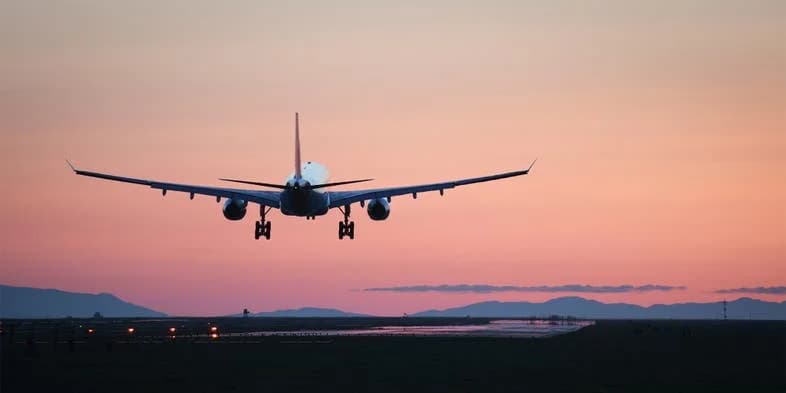
For travelers conscious of their environmental impact, air travel presents a significant dilemma. Flights contribute around 3% of global carbon dioxide emissions annually, with U.S. aviation accounting for 10% of transportation-related emissions. Given the energy density of jet fuel, long-haul flights remain irreplaceable by electric alternatives. In response, many airlines and third-party companies offer carbon offset programs, claiming to mitigate the greenhouse gases emitted during flights for a small fee. However, thorough investigations reveal these offsets often fall short. The effectiv
For travelers conscious of their environmental impact, air travel presents a significant dilemma. Flights contribute around 3% of global carbon dioxide emissions annually, with U.S. aviation accounting for 10% of transportation-related emissions. Given the energy density of jet fuel, long-haul flights remain irreplaceable by electric alternatives. In response, many airlines and third-party companies offer carbon offset programs, claiming to mitigate the greenhouse gases emitted during flights for a small fee. However, thorough investigations reveal these offsets often fall short. The effectiveness of projects tied to these offsets is questionable, and the fees are too low to genuinely counterbalance the emissions produced. For example, a $19 offset fee for a flight from Honolulu to New York pales in comparison to the environmental damage caused by such a trip. Carbon offsets, in theory, represent the reduction of one metric ton of CO₂, yet their track record in achieving real, lasting emission reductions remains dismal. Until verifiable, scalable solutions exist, the best way to reduce your aviation footprint is to limit flying whenever possible.



Comments
No comments yet. Be the first to share a thought.