
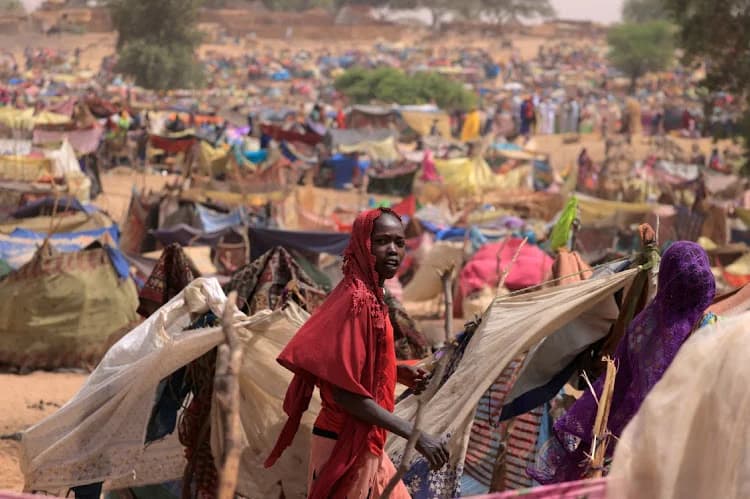
The latest tragedy to strike this beleaguered area occurred a year ago when the Rapid Support Forces (RSF) were accused of carrying out a massacre against the Masalit people. This event not only resulted in a significant loss of life but also triggered a mass exodus of survivors seeking refuge and safety. Today, many of these survivors are scarred, both physically and emotionally, and are undergoing lengthy rehabilitation processes to regain their footing in more ways than one. The Massacre in Darfur In the early months of last year, reports began to surface about a horrific event in Darfur.
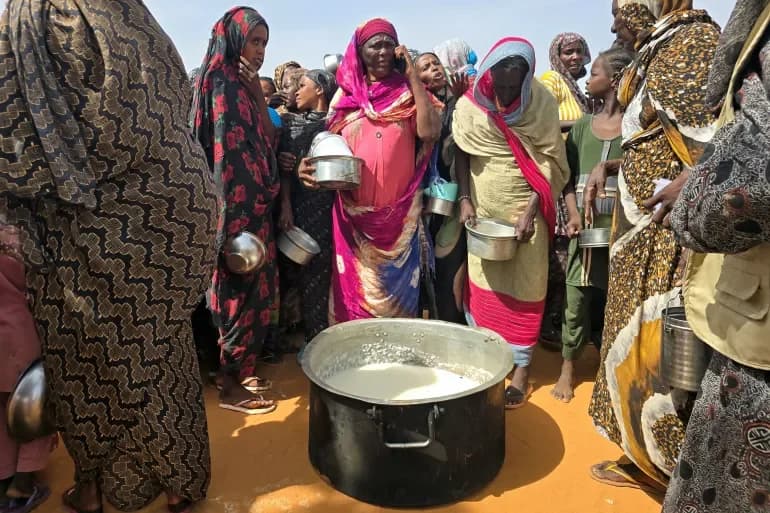
The latest tragedy to strike this beleaguered area occurred a year ago when the Rapid Support Forces (RSF) were accused of carrying out a massacre against the Masalit people. This event not only resulted in a significant loss of life but also triggered a mass exodus of survivors seeking refuge and safety. Today, many of these survivors are scarred, both physically and emotionally, and are undergoing lengthy rehabilitation processes to regain their footing in more ways than one. The Massacre in Darfur In the early months of last year, reports began to surface about a horrific event in Darfur. The RSF, a paramilitary group with a notorious history of human rights abuses, were accused of launching a brutal attack on the Masalit community. Eyewitness accounts describe scenes of indiscriminate killing, with men, women, and children among the victims. The massacre left hundreds dead and many more injured, with survivors recounting harrowing tales of escape under the cover of darkness. The Exodus In the wake of the massacre, a mass exodus ensued. Thousands of Masalit people fled their homes, seeking refuge in neighboring countries and more stable regions within Sudan. The journey was perilous, with refugees facing numerous challenges, including food and water shortages, exposure to the elements, and the constant threat of further violence. The United Nations and various humanitarian organizations quickly mobilized to assist the displaced populations. Refugee camps were established, providing temporary shelter, medical aid, and psychological support. However, the sheer number of refugees overwhelmed these facilities, leading to overcrowded conditions and limited resources. The Path to Rehabilitation For the survivors, the journey to recovery is long and arduous. Many sustained severe injuries during the massacre, necessitating extensive medical treatment. Clinics and hospitals in refugee camps and neighboring countries have been inundated with patients requiring surgeries, physical therapy, and long-term care. Relearning to walk has become a metaphorical and literal challenge for many. Physical rehabilitation programs have been established to help survivors regain their mobility. These programs involve a combination of physical therapy, prosthetic limbs for those who lost limbs in the violence, and mental health support to address the trauma. One poignant example is that of Aisha, a young woman who lost both her legs in the massacre. Through the help of international aid organizations, she received prosthetic limbs and extensive physical therapy. Her determination and resilience have inspired many in her community, as she slowly regains her independence and mobility. Psychological Scars and Healing The psychological scars left by the massacre are profound. Survivors, particularly children, are grappling with post-traumatic stress disorder (PTSD), depression, and anxiety. Mental health services are critical in these refugee camps, where therapists and counselors work tirelessly to provide support. Community support groups have also formed, offering a space for survivors to share their experiences and find solace in their shared resilience. Cultural activities, education, and vocational training are integral to the rehabilitation process, helping individuals rebuild their lives and regain a sense of normalcy. The Role of the International Community The international community has played a crucial role in responding to this crisis. Humanitarian aid, financial support, and political pressure on the Sudanese government to address the atrocities have been essential. However, the scale of the crisis demands sustained and increased efforts. Long-term solutions are needed to address the root causes of the conflict in Darfur. This includes promoting peace and stability in the region, ensuring justice for the victims of the massacre, and supporting the socio-economic development of affected communities.
Comments
No comments yet. Be the first to share a thought.