
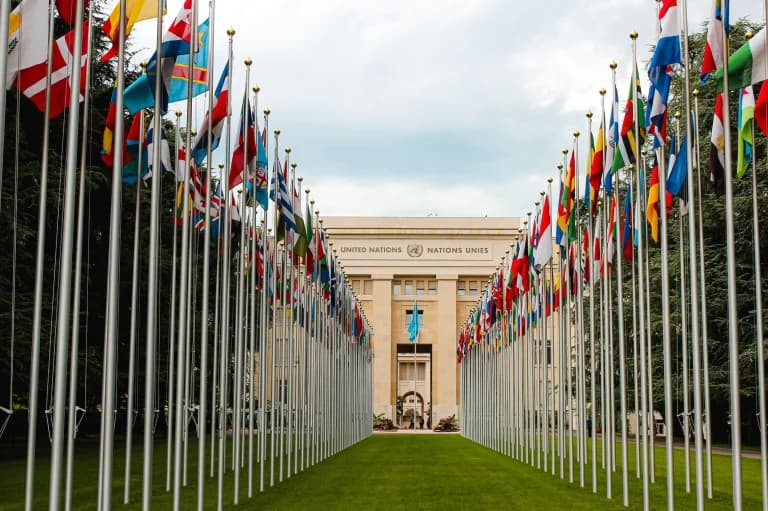
In the complex landscape of international relations, diplomatic windows emerge as crucial instruments for mitigating conflicts, easing tensions, and reconciling paradoxes between states. Defined as opportune moments where dialogue and negotiation can flourish, these windows offer pathways to navigate even the most entrenched disputes through diplomacy rather than confrontation. Defining Diplomatic Windows Diplomatic windows represent pivotal junctures where states, despite longstanding differences or immediate tensions, find common ground to engage in constructive dialogue. These periods are
In the complex landscape of international relations, diplomatic windows emerge as crucial instruments for mitigating conflicts, easing tensions, and reconciling paradoxes between states. Defined as opportune moments where dialogue and negotiation can flourish, these windows offer pathways to navigate even the most entrenched disputes through diplomacy rather than confrontation. Defining Diplomatic Windows Diplomatic windows represent pivotal junctures where states, despite longstanding differences or immediate tensions, find common ground to engage in constructive dialogue. These periods are marked by a willingness from all parties involved to explore diplomatic solutions, often facilitated by external mediators or favorable circumstances that temporarily lower barriers to communication. The Role in Conflict Resolution Central to their effectiveness is the role of diplomatic windows in conflict resolution. They provide platforms for dialogue that transcend adversarial posturing, allowing for the exploration of mutual interests and potential areas of compromise. By fostering a conducive environment for negotiations, diplomatic windows can de-escalate crises, prevent conflicts from escalating into full-scale wars, and lay foundations for sustainable peace agreements. Case Studies and Examples Cuban Missile Crisis (1962): Amidst heightened Cold War tensions, a diplomatic window opened when President Kennedy and Premier Khrushchev engaged in direct communication, leading to the resolution of the crisis and the removal of Soviet missiles from Cuba. Iran Nuclear Deal (2015): Negotiations between Iran and six world powers, including the United States, during a diplomatic window resulted in the Joint Comprehensive Plan of Action (JCPOA), effectively curbing Iran's nuclear program in exchange for sanctions relief. Rwanda and Uganda Relations: Periodic diplomatic windows have played crucial roles in easing historical tensions and improving relations between Rwanda and Uganda, demonstrating the ongoing potential of diplomacy in resolving regional conflicts. Challenges and Limitations Despite their efficacy, diplomatic windows face challenges such as mistrust between parties, differing priorities, and external pressures that can close these windows prematurely. Maintaining momentum and sustaining commitment to dialogue amidst shifting political landscapes require adept diplomacy and strategic engagement.



Comments
No comments yet. Be the first to share a thought.