
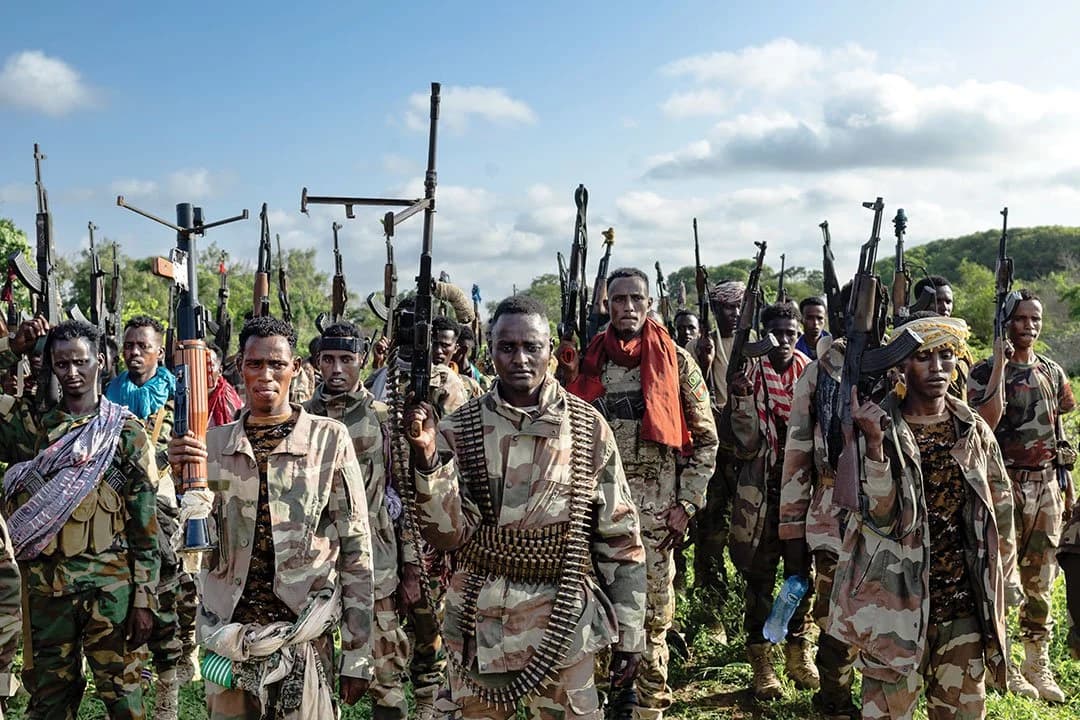
Africa’s security environment is facing a new challenge as foreign fighters, private military companies and extremist-linked networks become increasingly involved in conflicts across the continent. These actors are changing the nature of modern warfare by providing training, weapons support and tactical knowledge to armed groups operating in fragile regions. For decades, African countries have dealt with the influence of foreign military actors. Russia’s Africa Corps, previously linked to the Wagner Group, has expanded its presence in countries such as Mali and the Central African Republic, wh
Africa’s security environment is facing a new challenge as foreign fighters, private military companies and extremist-linked networks become increasingly involved in conflicts across the continent. These actors are changing the nature of modern warfare by providing training, weapons support and tactical knowledge to armed groups operating in fragile regions.
For decades, African countries have dealt with the influence of foreign military actors. Russia’s Africa Corps, previously linked to the Wagner Group, has expanded its presence in countries such as Mali and the Central African Republic, while facing accusations of abuses against civilians. At the same time, researchers have identified a different trend: extremist organisations that operate like “black market military networks,” offering military expertise while combining ideology with operational support.
Security analysts say these networks differ from traditional mercenary groups because they are not driven only by financial interests. Instead, they rely on ideological connections and specialised skills, including combat training, drone operations, intelligence gathering and battlefield planning. Experts warn that military knowledge developed in one conflict zone can quickly spread to other regions through international networks and digital platforms.
According to Institute for Security Studies (ISS) The Sahel and the Horn of Africa have become major areas of concern due to ongoing insurgencies, weak border controls and illegal trafficking routes. The growing use of drones and advanced tactics by extremist groups has raised fears that armed organisations could gain stronger capabilities. The movement of experienced foreign fighters from conflict zones such as Syria has also increased concerns about the professionalisation of militant groups in Africa.
Researchers argue that Africa’s response requires stronger regional cooperation, intelligence sharing and improved border security. As conflicts become more connected globally, governments face the challenge of preventing the spread of fighters, weapons and military expertise that allow extremist networks to expand beyond traditional battlefields. The future of African security may depend on the ability of nations to address these transnational threats before they become more deeply established.



Comments
No comments yet. Be the first to share a thought.