
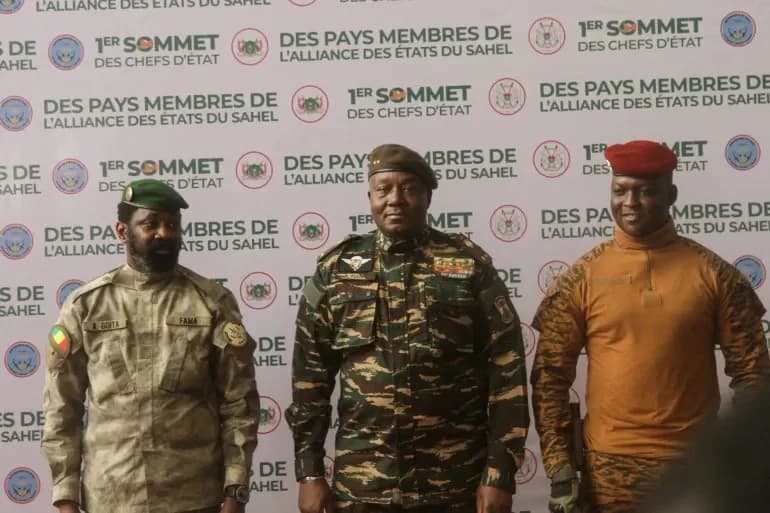
The United Nations is entering a new phase of engagement in the Sahel as Burkina Faso, Mali and Niger increasingly emphasise sovereignty and strategic autonomy. For more than a decade, the UN’s most visible role in the region was its peacekeeping mission in Mali, known as MINUSMA. Established in 2013, the mission ended in 2023 after Mali’s transitional government requested its withdrawal. However, the end of MINUSMA did not end UN involvement in the region. The United Nations continues its political engagement through the UN Office for West Africa and the Sahel (UNOWAS), while UN agencies re
The United Nations is entering a new phase of engagement in the Sahel as Burkina Faso, Mali and Niger increasingly emphasise sovereignty and strategic autonomy. For more than a decade, the UN’s most visible role in the region was its peacekeeping mission in Mali, known as MINUSMA. Established in 2013, the mission ended in 2023 after Mali’s transitional government requested its withdrawal. However, the end of MINUSMA did not end UN involvement in the region. The United Nations continues its political engagement through the UN Office for West Africa and the Sahel (UNOWAS), while UN agencies remain active in humanitarian assistance and development. The regional political landscape has changed significantly. Burkina Faso, Mali and Niger formally left ECOWAS in January 2025 and have strengthened cooperation through the Alliance of Sahel States (AES), with sovereignty and strategic autonomy at the centre of their political agenda. These developments have created a more fragmented regional environment for international organisations. For the UN, diplomacy, mediation and dialogue are becoming increasingly important as governments seek greater control over their security and political affairs. Meanwhile, major challenges remain. Armed violence, displacement, food insecurity, organised crime and economic pressures continue to affect communities across the Sahel. Climate-related pressures can further intensify existing vulnerabilities, particularly in areas affected by conflict and weak institutions. Russia has also become an increasingly important security partner for governments in the region, adding another dimension to the changing geopolitical landscape. As the 81st UN General Assembly session enters its General Debate, the organisation faces a different Sahel from the one it encountered a decade ago. The UN’s future influence in the region may therefore depend less on large military deployments and more on diplomacy, humanitarian assistance, development, regional cooperation and maintaining channels of dialogue.



Comments
No comments yet. Be the first to share a thought.