
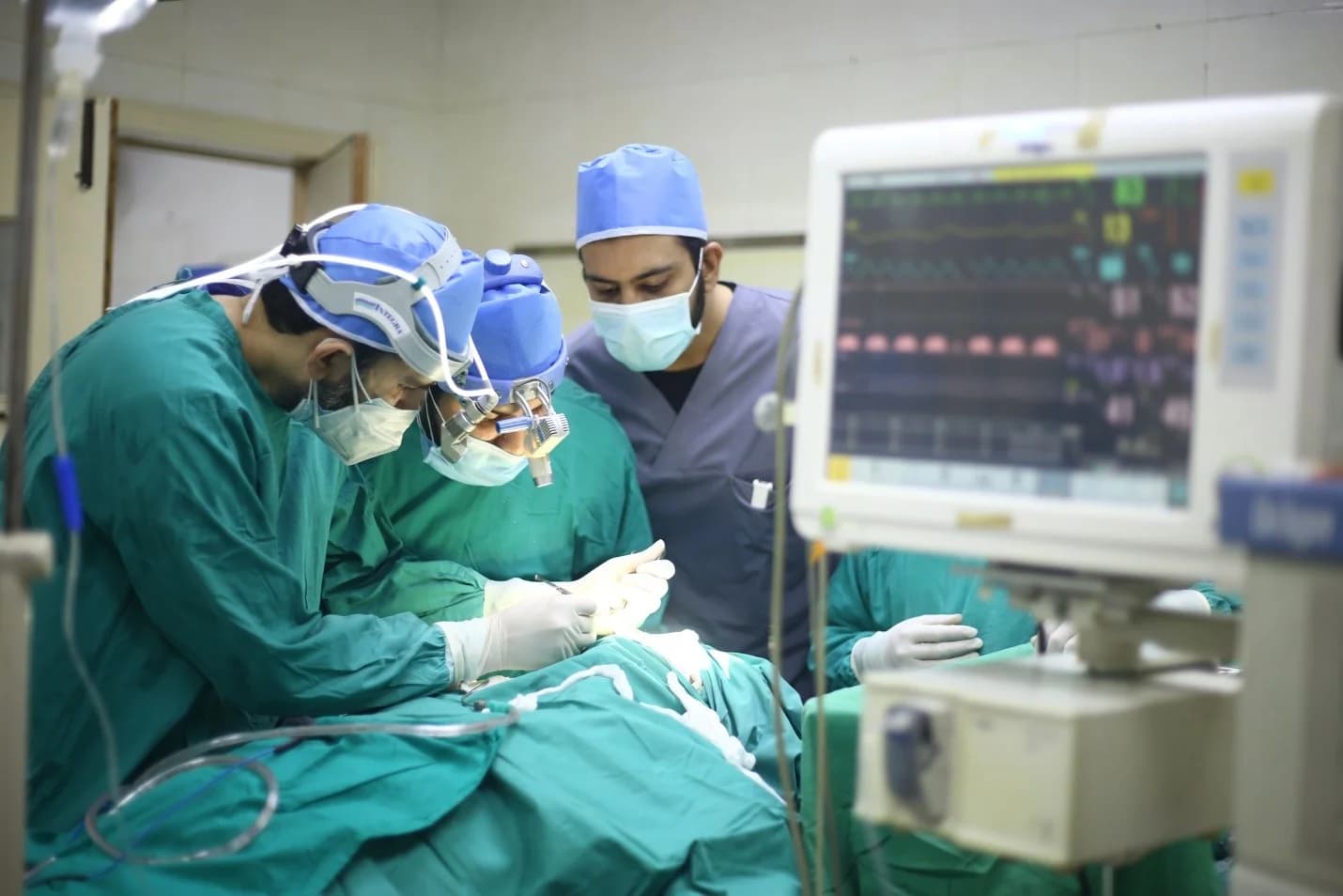
Islamabad, Pakistan , Surgeons at the Children’s Hospital at the Pakistan Institute of Medical Sciences (PIMS) once successfully performed a rare operation on an infant born with two penises, a condition medically known as diphallia. The complex procedure focused on restoring the child's internal functionality, as the rare genetic anomaly presented significant challenges to the infant's urinary system. The case, which happened in 2023 and was recently documented in the International journal of surgery case reports, involved a baby boy born with two fully formed external organs. While the con
Islamabad, Pakistan, Surgeons at the Children’s Hospital at the Pakistan Institute of Medical Sciences (PIMS) once successfully performed a rare operation on an infant born with two penises, a condition medically known as diphallia. The complex procedure focused on restoring the child's internal functionality, as the rare genetic anomaly presented significant challenges to the infant's urinary system. The case, which happened in 2023 and was recently documented in the International journal of surgery case reports, involved a baby boy born with two fully formed external organs. While the condition which occurs in approximately 1 out of every 5 to 6 million live births is visually striking, the primary concern for the medical team was not aesthetic, but functional. Initial scans revealed that while the infant had two organs, both were connected to a single bladder. However, only one of the organs was functional, allowing the passage of urine. This necessitated a delicate surgical intervention to ensure the child could lead a healthy, normal life.
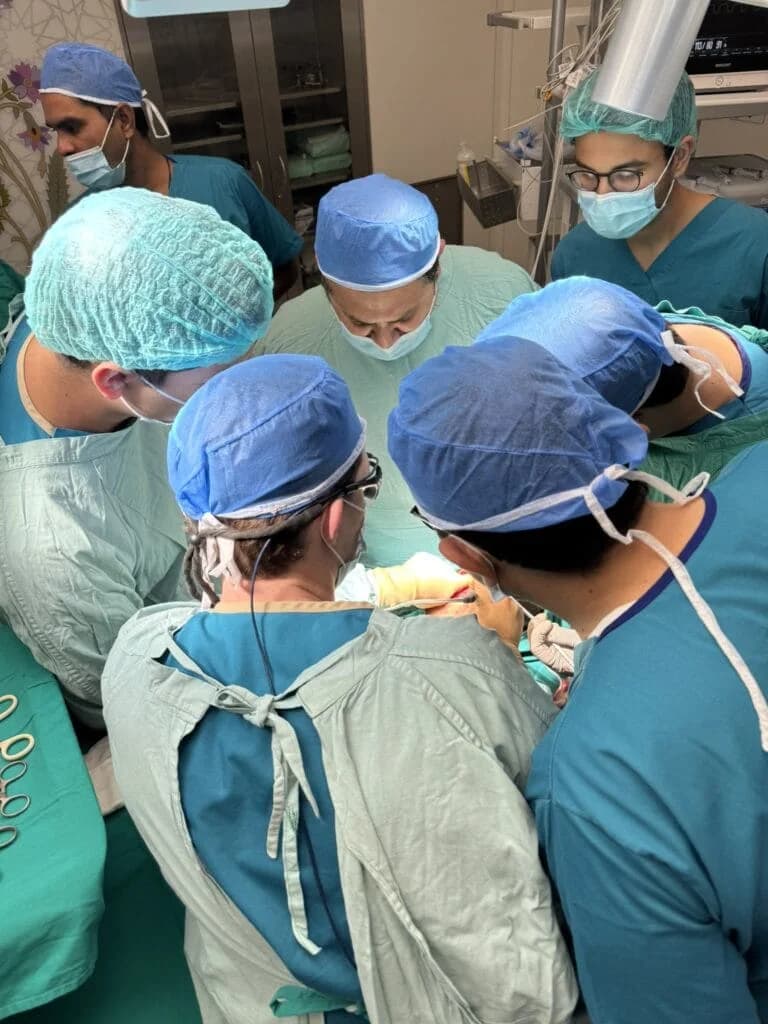
The multidisciplinary team of surgeons opted to remove the non-functional organ. Unlike some viral reports suggesting the larger one was removed arbitrarily, the surgical decision was strictly guided by urological viability. By removing the non-functional duplication and preserving the one connected to the urethra, doctors were able to streamline the infant's urinary tract. The operation was a success. Post-operative reports confirmed that the infant was able to urinate normally through the remaining functional organ, and the child was discharged in a stable condition. Diphallia is one of the rarest conditions in medical literature, with fewer than 100 cases recorded worldwide since the 1600s. It often occurs alongside other congenital issues, such as duplicated bladders or rectums, requiring a high level of surgical expertise to manage. This successful outcome in Islamabad adds a significant case study to the global understanding of neonatal urological surgery. The successful treatment of this rare case highlights the advancements in pediatric surgery within the region. By focusing on long-term health and functionality, the medical team at PIMS has provided the infant with the opportunity for a healthy development, marking a milestone in the management of extremely rare congenital anomalies.



Comments
No comments yet. Be the first to share a thought.