
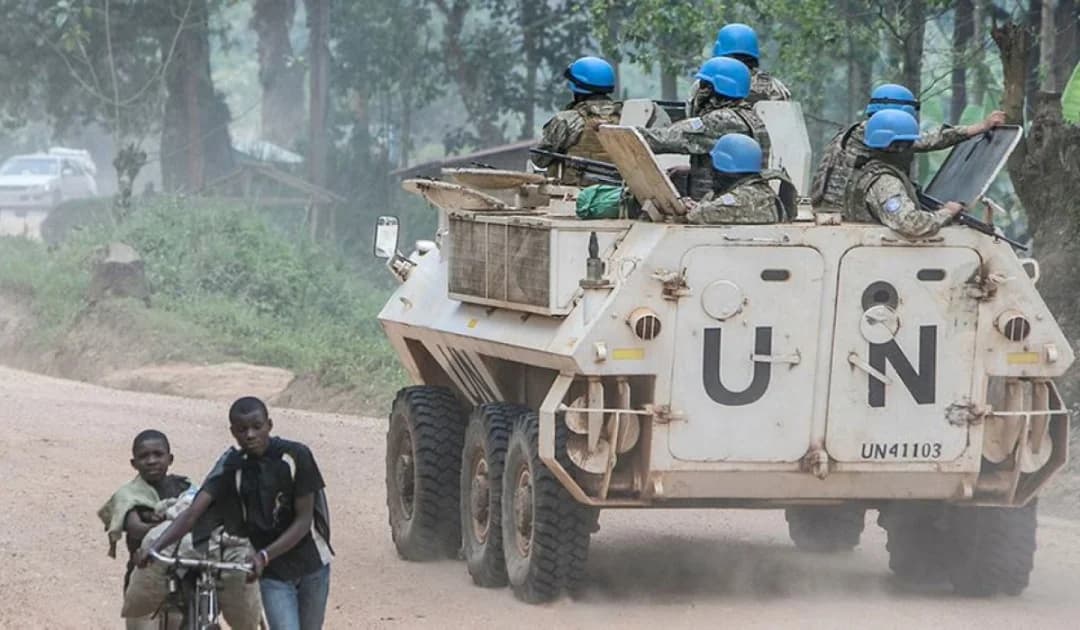
The ongoing crisis in eastern Democratic Republic of the Congo (DR Congo) remains one of the most protracted and devastating conflicts in modern history. For nearly three decades, this region has been engulfed in violence, with millions of lives lost and countless others displaced. Despite the humanitarian catastrophe, the global response has been tepid, revealing a stark contrast in how the world reacts to crises based on geopolitical and economic interests. While international powers and regional actors express concern, their actions often seem more focused on the region's vast mineral wea
The ongoing crisis in eastern Democratic Republic of the Congo (DR Congo) remains one of the most protracted and devastating conflicts in modern history. For nearly three decades, this region has been engulfed in violence, with millions of lives lost and countless others displaced. Despite the humanitarian catastrophe, the global response has been tepid, revealing a stark contrast in how the world reacts to crises based on geopolitical and economic interests. While international powers and regional actors express concern, their actions often seem more focused on the region's vast mineral wealth than on the suffering of its people. Escalation of the Conflict The conflict in eastern DR Congo has recently escalated, with the armed group M23 seizing significant territories in North Kivu Province, including Goma, the provincial capital. M23 is a Congolese rebel group that claims to protect Kinyarwanda-speaking Congolese, particularly the Tutsi community, who face hate speech and violence allegedly instigated by their own government. The rebels have repeatedly called for dialogue with the government, but their requests have gone unanswered. This situation is at the center of tensions between DR Congo and neighboring Rwanda. While the Congolese government accuses Rwanda of supporting M23, Rwanda has consistently denied these allegations, instead pointing to the presence of the genocidal militia Democratic Forces for the Liberation of Rwanda (FDLR) in eastern DR Congo as a direct security threat to its borders. The Consequences of a Militarized Approach The Congolese government, supported by regional forces such as Southern African Development Community (SADC) troops, Burundian soldiers, and local militias like Wazalendo, has prioritized military responses over diplomatic engagement. Even as M23 and some opposition groups have called for negotiations, Kinshasa has chosen to expand its military operations rather than pursue dialogue. Compounding the issue is the presence of the FDLR, a group implicated in the 1994 Genocide against the Tutsi in Rwanda. While internationally recognized as a terrorist organization, the FDLR continues to operate within DR Congo, now collaborating with the Congolese army (FARDC) against M23. The international community's reluctance to confront this reality further undermines peace efforts, as does the perceived bias of the United Nations peacekeeping mission (MONUSCO), which has struggled to maintain neutrality and protect civilians. The Role of International Actors: Double Standards in Global Policy The response of international stakeholders has been marked by inconsistencies and apparent bias. While attention remains focused on alleged Rwandan involvement, little scrutiny is directed toward DR Congo's collaboration with the FDLR or the inefficacy of MONUSCO and SADC troops. The continued instability in eastern DR Congo benefits certain international corporations and governments with vested interests in the region’s lucrative mineral resources, including coltan, cobalt, and gold. These minerals are critical for global industries, particularly in the production of electronics and electric vehicle batteries, making the conflict not just a humanitarian issue but also an economic one. Moreover, inflammatory rhetoric and hate speech have surged, exacerbating ethnic divisions and further complicating peace efforts. The failure of African and global leaders to promote genuine dialogue over military interventions only deepens the crisis, perpetuating cycles of violence and displacement. A Call for Comprehensive Peace and Justice Resolving the crisis in eastern DR Congo requires a holistic approach that prioritizes justice, dialogue, and genuine reconciliation. Military solutions have historically failed to bring lasting peace, and the current trajectory suggests that continued fighting will only prolong the suffering of millions. The Congolese government must engage in meaningful negotiations with M23 and other relevant stakeholders. Regional and international actors must acknowledge the role of foreign-backed armed groups and address the exploitation of DR Congo’s resources. Additionally, the global community must ensure that peacekeeping efforts are impartial and truly focused on protecting civilians rather than reinforcing political or economic agendas. The world cannot continue to turn a blind eye to the suffering in eastern DR Congo. A sustainable solution will only be possible when all parties commit to addressing the root causes of the conflict rather than merely responding to its symptoms. Selective condemnation and inconsistent policies will not bring peace; genuine commitment to justice and reconciliation will.



Comments
No comments yet. Be the first to share a thought.