
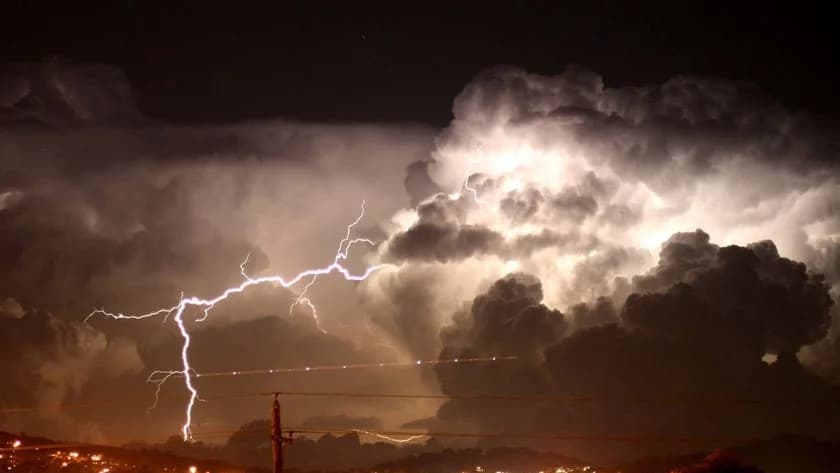
Health authorities in Victoria have issued an urgent Thunderstorm Asthma alert as the state braces for severe weather conditions today. Asthma and hayfever sufferers are urged to take precautions as the combination of passing storms, heavy rain, and high pollen levels creates an elevated risk of respiratory issues. Melbourne and its surrounding regions are forecast to experience severe thunderstorms this afternoon and evening, with damaging winds and heavy rainfall expected. These conditions, coupled with elevated pollen levels, have resulted in a moderate risk of Thunderstorm Asthma in metro
Health authorities in Victoria have issued an urgent Thunderstorm Asthma alert as the state braces for severe weather conditions today. Asthma and hayfever sufferers are urged to take precautions as the combination of passing storms, heavy rain, and high pollen levels creates an elevated risk of respiratory issues. Melbourne and its surrounding regions are forecast to experience severe thunderstorms this afternoon and evening, with damaging winds and heavy rainfall expected. These conditions, coupled with elevated pollen levels, have resulted in a moderate risk of Thunderstorm Asthma in metropolitan Melbourne and southwest Victoria. Meanwhile, regions in north-central Victoria, as well as west and south Gippsland, face an even higher risk, prompting heightened warnings from health authorities. VicEmergency advises individuals with asthma or hayfever to remain vigilant. Recommendations include carrying reliever inhalers (puffers) at all times, following asthma action plans, and staying indoors during peak storm periods. Thunderstorm Asthma occurs when storm activity breaks pollen grains into fine particles that can deeply penetrate the lungs, triggering severe asthma attacks—even in those without a prior diagnosis. Residents are encouraged to monitor updates via the VicEmergency app and local weather reports. With emergency services on high alert, the community is reminded to support vulnerable individuals and ensure everyone has access to necessary resources. Proactive measures can help mitigate health risks during this severe weather event.



Comments
No comments yet. Be the first to share a thought.