
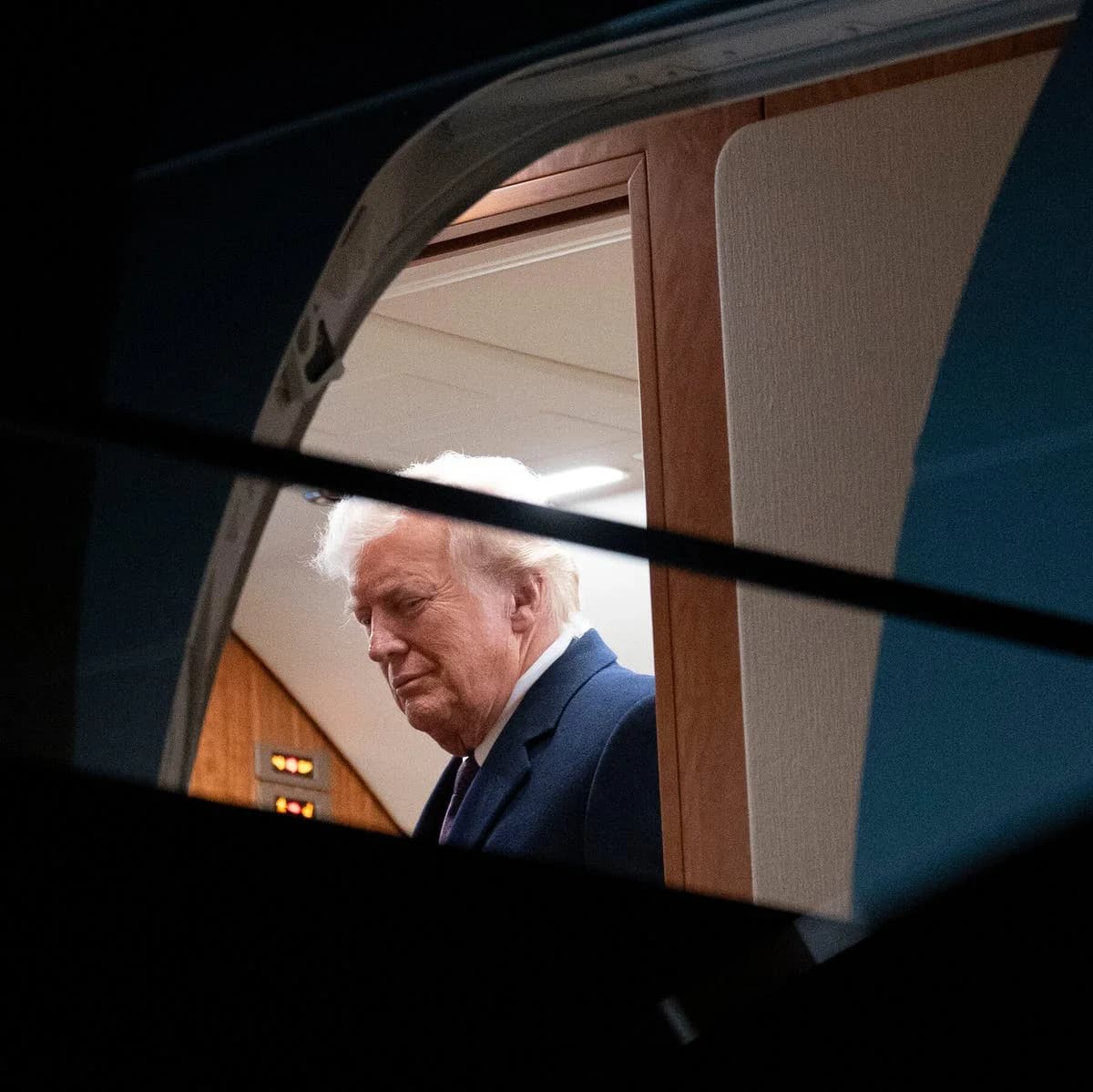
TikTok briefly returned to service in the United States on Sunday after President-elect Donald J. Trump announced plans to issue an executive order delaying the enforcement of a federal ban on the app. The ban, which stems from a 2024 law, required app stores and cloud providers to halt distributing or hosting TikTok unless it was sold by its Chinese parent company, ByteDance. The law was enacted over concerns that the Chinese government could use TikTok’s 170 million U.S. users to gather intelligence or spread propaganda. However, Trump indicated he would extend the timeline to negotiate a r
TikTok briefly returned to service in the United States on Sunday after President-elect Donald J. Trump announced plans to issue an executive order delaying the enforcement of a federal ban on the app. The ban, which stems from a 2024 law, required app stores and cloud providers to halt distributing or hosting TikTok unless it was sold by its Chinese parent company, ByteDance. The law was enacted over concerns that the Chinese government could use TikTok’s 170 million U.S. users to gather intelligence or spread propaganda. However, Trump indicated he would extend the timeline to negotiate a resolution, proposing a potential joint venture where the U.S. would hold a 50% ownership stake. TikTok has argued that a sale is unfeasible due to its global structure, while China has signaled its intent to block the transfer of TikTok’s recommendation algorithm. Critics, including Republican lawmakers, insist only a sale can resolve the issue. The app’s future remains uncertain, as Trump’s executive order may face legal challenges, raising doubts about its long-term viability.



Comments
No comments yet. Be the first to share a thought.