
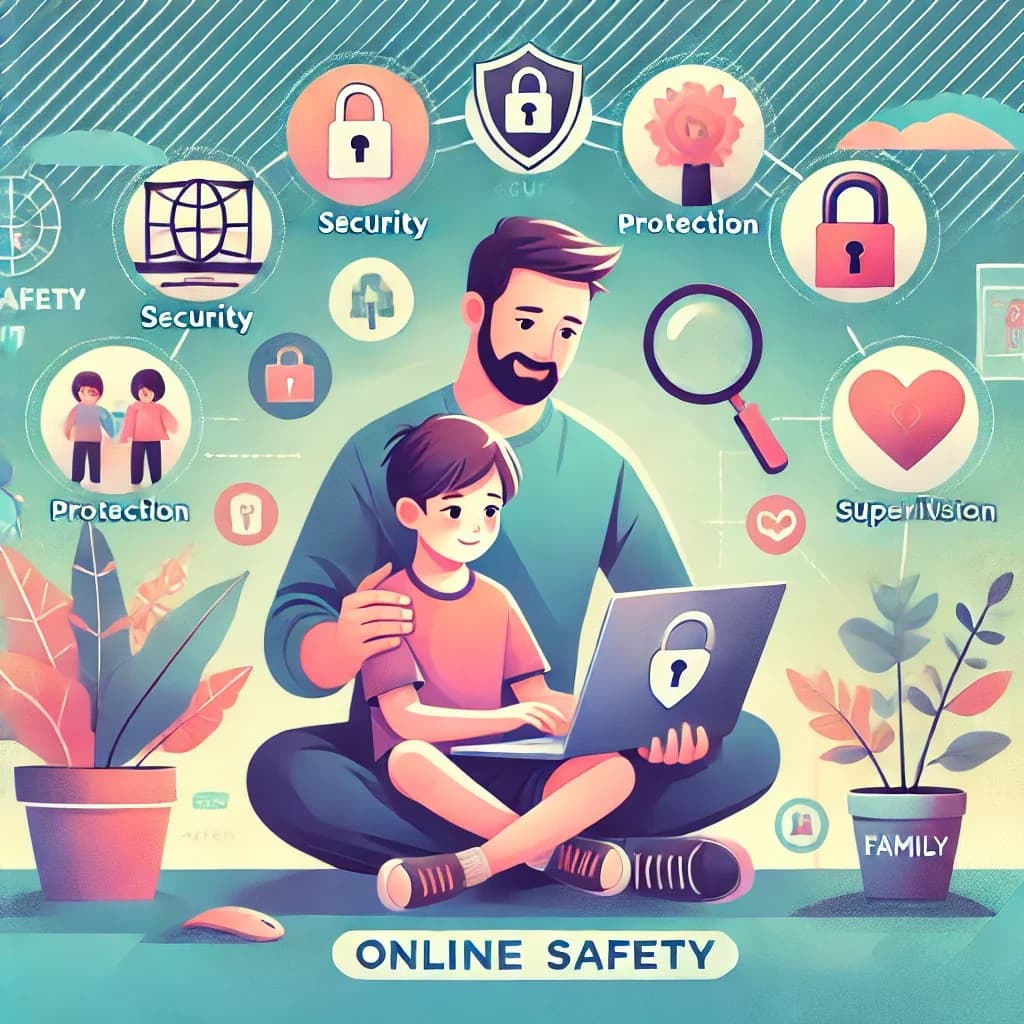
As a more vulnerable demographic, children can become victims to cybercrimes such as cyber bullying, online grooming, access to inappropriate content and scams. Parents and guardians must be equipped with the knowledge to help them supervise their children’s online activity. Alongside implementing parental controls, here are tips for parents and guardians to adopt to keep children safe online. 1. Ensure they only go to the sites you bookmark With many websites offering harmful content for children, searching for new sites should always be done with a parental guardian. The internet has a var
As a more vulnerable demographic, children can become victims to cybercrimes such as cyber bullying, online grooming, access to inappropriate content and scams. Parents and guardians must be equipped with the knowledge to help them supervise their children’s online activity. Alongside implementing parental controls, here are tips for parents and guardians to adopt to keep children safe online. 1. Ensure they only go to the sites you bookmark With many websites offering harmful content for children, searching for new sites should always be done with a parental guardian. The internet has a variety of information which can be both good and bad, to avoid your child using search engines, bookmark the websites they should use and show them how to access these bookmarks independently. 2. Teach them what information they should never share Make sure the children in your care are aware that they should never share:their real name, age, personal pictures or videos, home address, school address or current location. 3. Ensure devices are used in a public area of your home By ensuring the devices children use are in a public area of the home, parents and guardians can periodically check on the online activity of their child, to assess how their online experiences are affecting them. This can also help foster ongoing conversations and openness about your child’s online activities. 4. Review your child’s browsing history Parents and guardians should periodically check their children’s browsing history to make sure they are following their online activity. A harmful piece of content that they may have accidentally stumbled upon, can create damaging effects that they are keeping from you. Where you find something concerning, use this as an opportunity to discuss why what they have visited is unsafe. 5. Know who your children are talking to online Online grooming is a common issue associated with instant messaging services. Ensure your child only interacts with individuals you know, so that you create a safe network for your child to learn and grow online. Ask your children about who they interact with and become a friend, follower or subscriber to supervise their network of online friends. 6. Encourage them to close inappropriate windows and tabs When something inappropriate comes on screen, encourage your children to immediately close the tab or window and inform you of whatever they have seen. Inform your children that when you visit the wrong sites, other windows and tabs with ‘yucky’ content can popup, encourage them to immediately close what they find 7. Limit the time your child spends online Spending longer than reasonable periods of time on a device is unhealthy for children. According to research from OSF Health Care, more than 2 hours for leisure using devices can lead to children developing various health issues. Limit your children’s time using internet connected devices to the bare minimum, and encourage other constructive extracurricular activities such as outdoor sports.



Comments
No comments yet. Be the first to share a thought.