
Memory is a fascinating part of our lives. It shapes your past, influences your present and can even guide your future. Often, specific smells, sounds, or sights can remind your of past experiences, according to the health.harvard.edu. 1. Sensory triggers Certain smells, sounds, or sights can bring back vivid memories. For example, the scent of a specific perfume can remind you of a particular event or person, instantly transporting you back in time. 2. Visiting familiar places Returning to places where you had meaningful experiences can help refresh your memory. The sights and sounds may
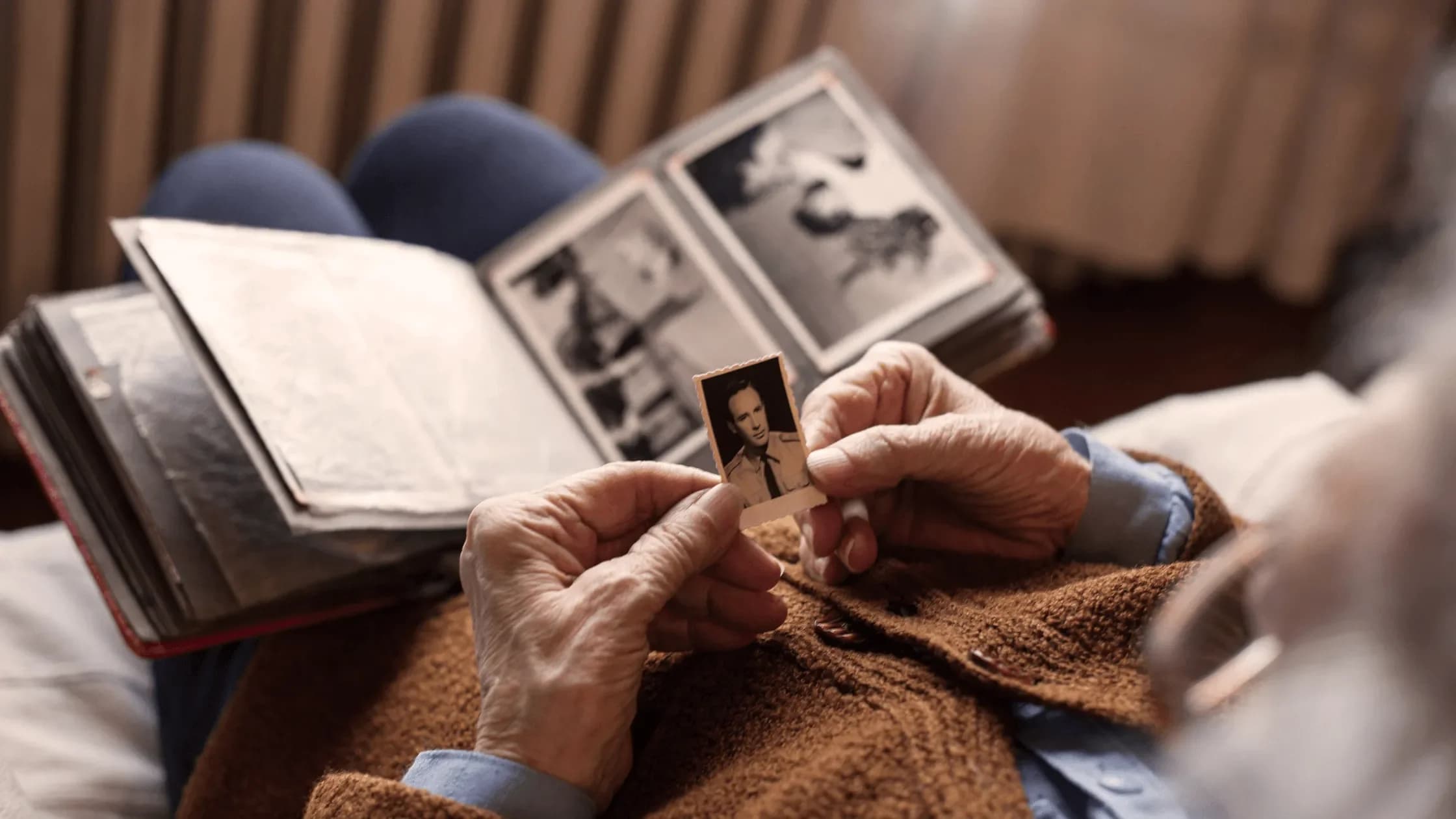
Memory is a fascinating part of our lives. It shapes your past, influences your present and can even guide your future. Often, specific smells, sounds, or sights can remind your of past experiences, according to the health.harvard.edu. 1. Sensory triggers Certain smells, sounds, or sights can bring back vivid memories. For example, the scent of a specific perfume can remind you of a particular event or person, instantly transporting you back in time. 2. Visiting familiar places Returning to places where you had meaningful experiences can help refresh your memory. The sights and sounds may trigger recollections of past events, bringing back details you might have forgotten. 3. Engaging with sensory objects Interacting with physical items, like old clothes or photographs, can help you recall memories. The texture, appearance, or even the smell of these objects can evoke strong feelings and memories from your past. 4. Create new memories Participating in new experiences can enhance your memory skills. By making fresh memories, you expand your brain's capacity, potentially making it easier to recall old memories later on. 5. Practice self-care Taking care of your physical health can significantly boost your brain function and memory. Prioritizing sleep, exercising regularly, and eating nutritious foods all contribute to better cognitive performance. 6. Process emotions Reflecting on the feelings you associate with past events can strengthen those memories. Understanding your emotions helps to anchor the memories more firmly in your mind, making them easier to recall. 7. Seek professional help If you struggle with serious memory issues, consider consulting a doctor or therapist. They can help you uncover possible reasons for memory loss and provide guidance on how to improve your cognitive health. 8. Engage in mind-boosting activities Keeping your brain active is essential for memory improvement. Engaging in puzzles, reading, or learning new skills helps stimulate your mind and enhances overall memory performance. 9. Journaling Writing down your thoughts and experiences can aid in processing them. Through journaling, you may discover forgotten details and emotions, enhancing your overall memory of past events. 10. Reframe Memories Changing the way you view negative experiences can help manage related emotions. By approaching these memories from a more positive perspective, you might find it easier to recall the associated events. 11. Active Recall Instead of simply reviewing information, challenge yourself to remember it without aids. Actively trying to recall details helps to strengthen the neural pathways related to those memories. 12. Work Backward When struggling to remember something abstract, start with recent details and work backward. This technique can help clarify your thoughts and trigger additional memories related to the topic. 13. Forgive Yourself Allowing yourself to move past mistakes or difficult experiences can lessen their emotional weight. This forgiveness can help reduce the intensity of associated memories, making it easier to focus on the present. Memory is an essential part of who yo are. By using sensory triggers and different strategies, we can enhance our ability to remember and create new experiences. Taking care of ourselves and actively engaging with our memories can lead to a richer and more fulfilling life. Remember, it’s never too late to work on your memory!



Comments
No comments yet. Be the first to share a thought.