
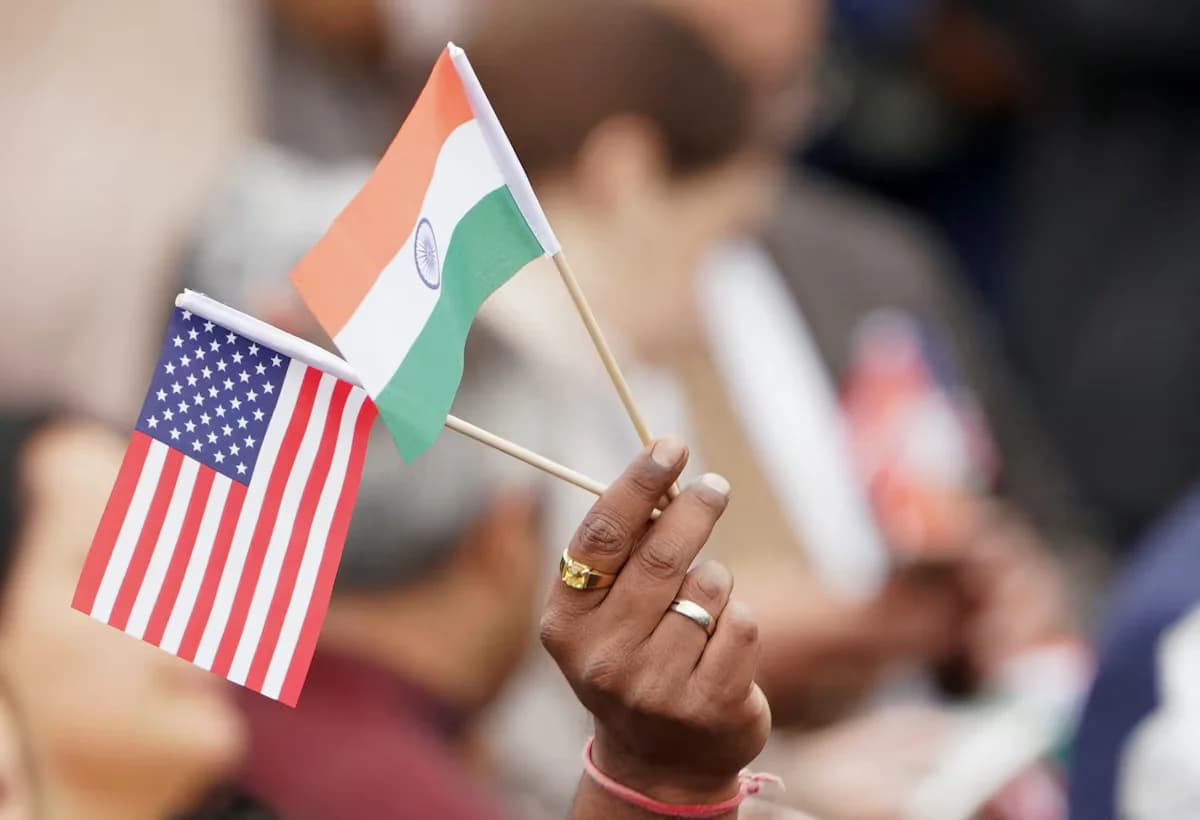
India has postponed planned trade negotiations with the United States after the Supreme Court of the United States on February 20, 2026 struck down tariffs imposed under former President Donald Trump, a move that has injected fresh uncertainty into bilateral trade discussions. Officials familiar with the matter said an Indian delegation, originally scheduled to travel to Washington later this month to advance an interim trade deal, has been deferred following consultations between New Delhi and U.S. counterparts. No new date for the talks has been set. The negotiations were expected to focus
India has postponed planned trade negotiations with the United States after the Supreme Court of the United States on February 20, 2026 struck down tariffs imposed under former President Donald Trump, a move that has injected fresh uncertainty into bilateral trade discussions. Officials familiar with the matter said an Indian delegation, originally scheduled to travel to Washington later this month to advance an interim trade deal, has been deferred following consultations between New Delhi and U.S. counterparts. No new date for the talks has been set. The negotiations were expected to focus on reducing U.S. tariffs on select Indian exports while outlining commitments for increased Indian imports of American goods. The Supreme Court ruling, which determined that Trump exceeded his authority in imposing sweeping tariffs under emergency powers, has reshaped the policy framework for these talks. The ruling has created ambiguity over the future of U.S. tariff policy, prompting Indian authorities to reassess their negotiating strategy. Following the court’s decision, Trump announced alternative tariffs under different legal provisions, adding further complexity to the global trade environment. Analysts note that the delay reflects India’s cautious approach as it evaluates the legal and economic implications of the ruling. The development underscores broader challenges in global trade, where domestic policy shifts in major economies can have ripple effects on bilateral agreements. Despite the setback, officials from both countries have indicated that engagement will continue, emphasizing the strategic importance of India–U.S. trade relations and the mutual interest in achieving a balanced and durable agreement. Source: Reuters
Comments
No comments yet. Be the first to share a thought.