
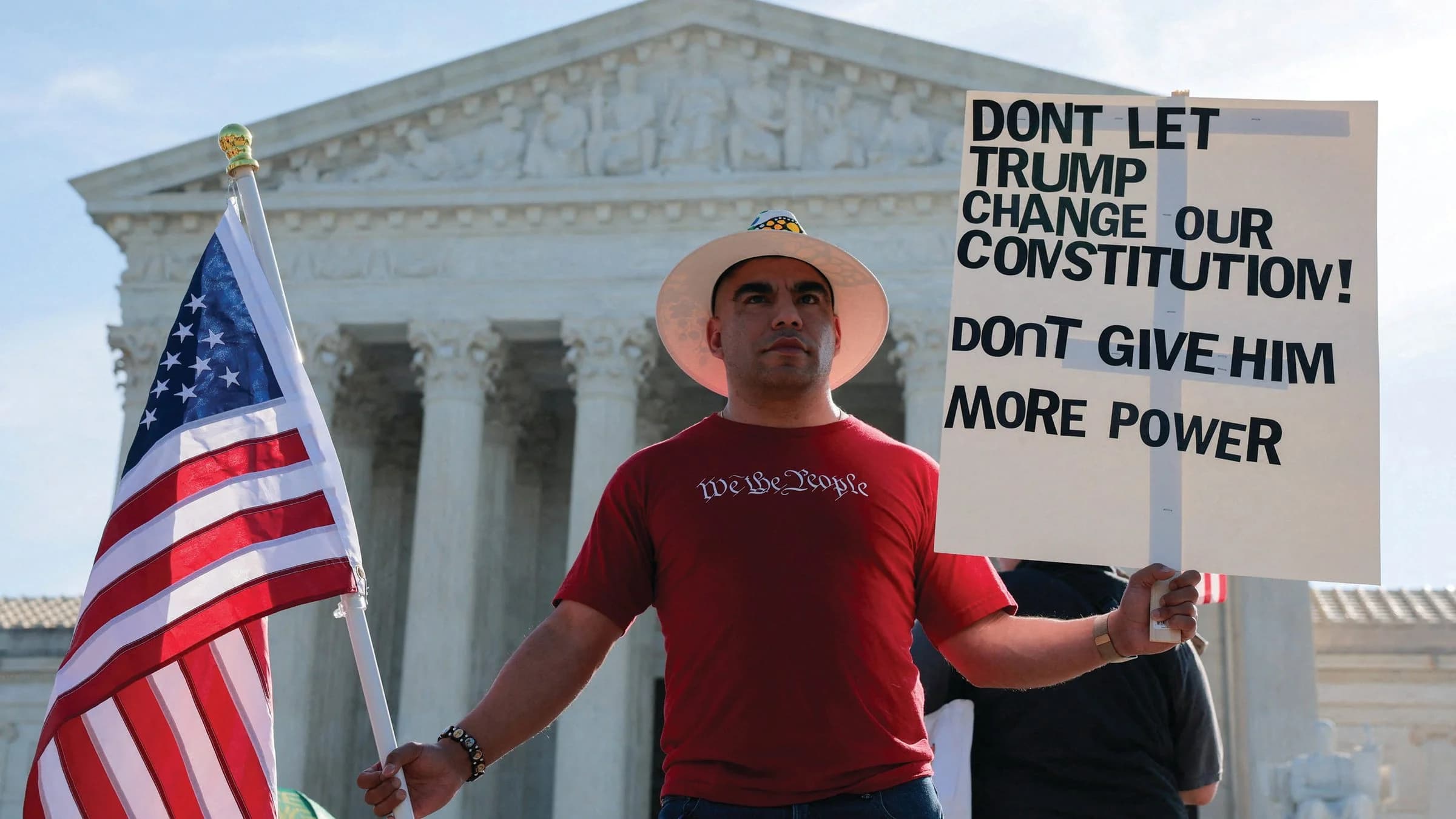
The U.S. Supreme Court heard oral arguments on April 1 in a high-stakes case over efforts by Donald Trump to restrict automatic birthright citizenship, with justices across the ideological spectrum expressing skepticism about the administration’s legal arguments, according to coverage by Reuters and Associated Press. The case centers on an executive order seeking to limit citizenship for children born in the United States to certain categories of non-citizen parents. The policy is being challenged by immigrant rights groups, including the American Civil Liberties Union, which argue that it vi
The U.S. Supreme Court heard oral arguments on April 1 in a high-stakes case over efforts by Donald Trump to restrict automatic birthright citizenship, with justices across the ideological spectrum expressing skepticism about the administration’s legal arguments, according to coverage by Reuters and Associated Press. The case centers on an executive order seeking to limit citizenship for children born in the United States to certain categories of non-citizen parents. The policy is being challenged by immigrant rights groups, including the American Civil Liberties Union, which argue that it violates the Citizenship Clause of the 14th Amendment. The clause states that all persons born in the United States and subject to its jurisdiction are citizens. During the arguments, several justices questioned whether the administration’s position could be reconciled with longstanding precedent, particularly United States v. Wong Kim Ark, which affirmed that children born on U.S. soil are generally entitled to citizenship regardless of their parents’ status. Representing the administration, Solicitor General D. John Sauer argued that the Constitution’s original meaning allows for exceptions, contending that children of parents without permanent legal status do not fall fully under U.S. jurisdiction. Justices pressed him on the historical and legal basis for that interpretation, with questions focusing on both constitutional text and over a century of established practice. Lawyers for the challengers warned that the order could disrupt settled law and affect hundreds of thousands of births annually. Analyses cited in court filings, including research from the Migration Policy Institute, could disrupt settled law and affect roughly 250,000 births annually, according to analyses cited in court filing. Lower federal courts have blocked the order from taking effect, finding it likely unconstitutional. The Supreme Court’s review now places the issue at the center of a broader national debate over immigration policy and constitutional interpretation. A decision is expected by the end of the court’s term in June, with potentially far-reaching implications for citizenship rights and executive authority in the United States.



Comments
No comments yet. Be the first to share a thought.