
More than 240,000 pages of long-sealed FBI documents detailing surveillance and investigations of Dr. Martin Luther King Jr. have been released, drawing a range of reactions from civil rights advocates and the King family. According to African News , the files, many dating back to the 1960s, had been sealed under court order since 1977. Their public release was authorized under a transparency initiative launched by former President Donald Trump, who also oversaw the declassification of documents related to the assassinations of President John F. Kennedy and Senator Robert F. Kennedy. “This r
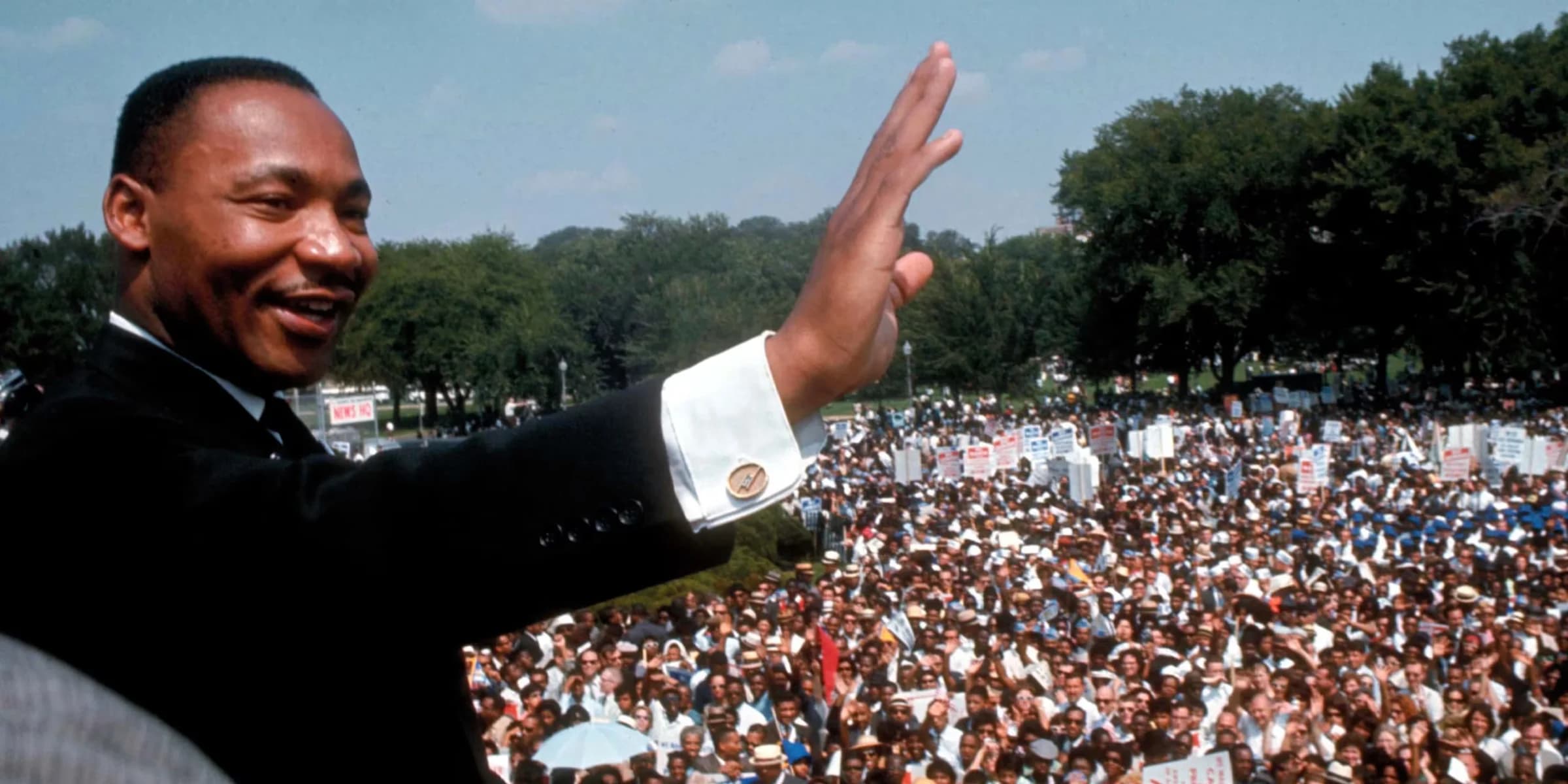
More than 240,000 pages of long-sealed FBI documents detailing surveillance and investigations of Dr. Martin Luther King Jr. have been released, drawing a range of reactions from civil rights advocates and the King family. According to African News, the files, many dating back to the 1960s, had been sealed under court order since 1977. Their public release was authorized under a transparency initiative launched by former President Donald Trump, who also oversaw the declassification of documents related to the assassinations of President John F. Kennedy and Senator Robert F. Kennedy. “This release is meant to advance transparency and truth for the entire nation,” said Matt Brown of The Associated Press. However, King’s surviving children Martin Luther King III and Bernice King, have expressed serious concern. They were granted early access to the files and, while recognizing their historical importance, urged the public and media to approach the documents with sensitivity, emphasizing the deeply personal nature of the contents. “Our father was not just a historic figure, he was a man who endured intense and illegal surveillance rooted in racism,” the family said in a statement. “These documents reveal not only the extent of that intrusion but also the moral failures of those in power at the time.” The released trove includes digitized surveillance records, photographs, internal memos, and even an audio recording, offering a fuller picture of how federal authorities; particularly under the direction of FBI Director J. Edgar Hoover, monitored, harassed, and attempted to discredit King in the years preceding his assassination in 1968. Some civil rights organizations have criticized the timing of the release, suggesting it may be intended as a political diversion amid Trump’s ongoing legal troubles. Still, many historians have welcomed the disclosure, saying it could help illuminate the scale of government efforts to suppress the civil rights movement and its leaders. “The release of these documents gives us an unfiltered view into the darker side of federal power in the 20th century,” said one civil rights historian. “It helps us understand just how much resistance King and others faced, not only from segregationists but also from the institutions meant to protect them.” The FBI has yet to comment on the release. As scholars begin to comb through the archive, the legacy of King’s fight for justice, and the government’s attempt to silence him, is once again thrust into the spotlight.



Comments
No comments yet. Be the first to share a thought.