
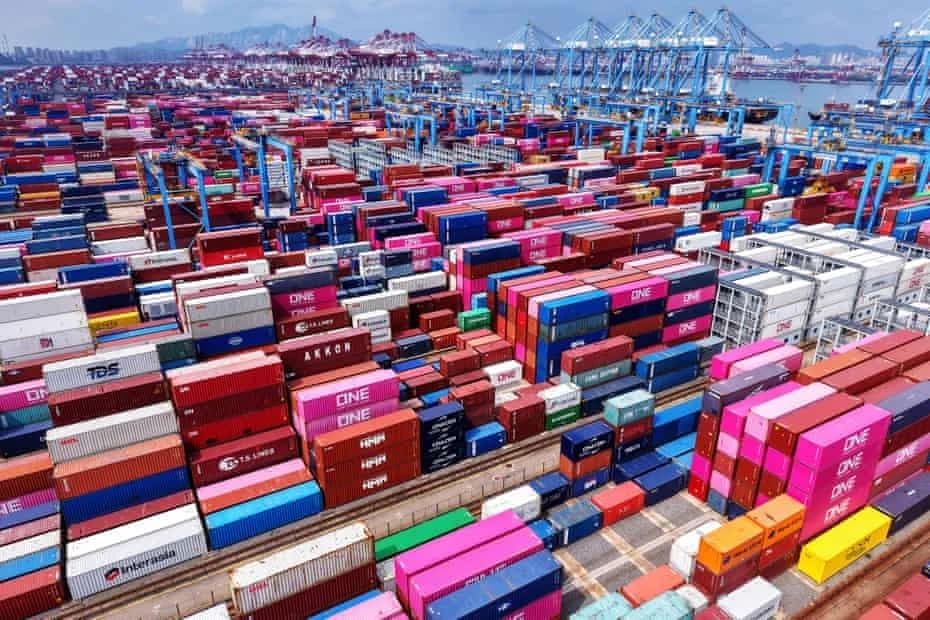
Donald Trump has delayed the implementation of sweeping new tariffs on China, granting another 90-day pause just hours before the most recent trade agreement between the two largest economies was set to expire, reports The Guardian. On Monday, the US president signed an executive order extending the deadline for higher tariffs on Chinese goods until 9 November, officials confirmed to Reuters. The move comes as both sides attempt to keep trade talks alive and avoid escalating tensions. The current pause stems from a 90-day detente reached in May. Earlier on Monday, Chinese foreign ministry sp
Donald Trump has delayed the implementation of sweeping new tariffs on China, granting another 90-day pause just hours before the most recent trade agreement between the two largest economies was set to expire, reports The Guardian. On Monday, the US president signed an executive order extending the deadline for higher tariffs on Chinese goods until 9 November, officials confirmed to Reuters. The move comes as both sides attempt to keep trade talks alive and avoid escalating tensions. The current pause stems from a 90-day detente reached in May. Earlier on Monday, Chinese foreign ministry spokesman Lin Jian urged Washington to pursue “positive” outcomes. “We hope that the US will work with China to follow the important consensus reached during the phone call between the two heads of state … and strive for positive outcomes on the basis of equality, respect and mutual benefit,” Lin said in a statement. Chinese and US officials had already signalled they expected an extension following last month’s trade talks in Stockholm. US Treasury Secretary Scott Bessent said last week that there were “the makings” of a trade deal and expressed optimism about progress. Failure to reach an agreement could have triggered tariffs as high as 245% on Chinese goods, with Beijing threatening retaliatory tariffs of 125%. Such measures risk reigniting a trade war between the world’s two largest economies. Currently, US exports to China face tariffs of around 30%, while imports from China are subject to a 10% baseline tariff plus an additional 20% levy imposed over US allegations of Chinese fentanyl smuggling. Certain goods face even higher rates. Trump has also called on Beijing to sharply increase purchases of US agricultural products. In a TruthSocial post on Sunday, he urged China to quadruple its purchases of soybeans to help narrow the trade deficit. Economists warn that higher tariffs will push up prices for American households. The Federal Reserve has echoed this concern, while Goldman Sachs strategists estimate that US consumers absorbed 22% of tariff costs through June 2025 — a share they expect could rise to 67% if the new tariffs follow past patterns. In the run-up to the tariff deadline, chipmakers Nvidia and AMD reached agreements with Washington to secure access to the Chinese market. Both companies will pay the US government 15% of revenue from advanced chips sold to China in exchange for export licenses. Stephen Olson, a former US trade negotiator, described the arrangement to Bloomberg as a troubling shift in policy. “What we are seeing is in effect the monetization of US trade policy in which US companies must pay the US government for permission to export. If that’s the case, we’ve entered into a new and dangerous world.”



Comments
No comments yet. Be the first to share a thought.