
U.S. President Donald Trump has imposed a sweeping new 25% tariff on Indian imports as a penalty for India’s continued purchase of Russian oil, as ABC reports. White House says this move is aimed at undermining Moscow’s war financing in Ukraine. The tariff, set to take effect in three weeks, will double India's current U.S. import tariff rate to 50%, following an earlier 25% duty coming into force this Thursday. The White House confirmed that Trump signed the executive order implementing the new measures on Wednesday (U.S. time). The order also includes provisions for potential penalties on o
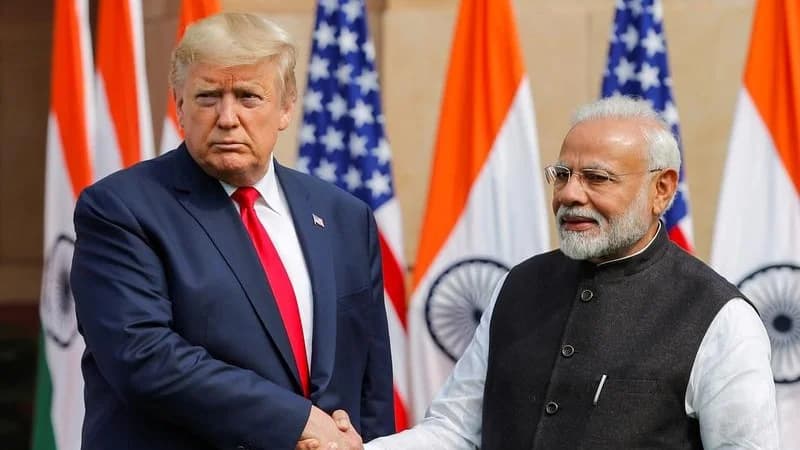
U.S. President Donald Trump has imposed a sweeping new 25% tariff on Indian imports as a penalty for India’s continued purchase of Russian oil, as ABC reports. White House says this move is aimed at undermining Moscow’s war financing in Ukraine. The tariff, set to take effect in three weeks, will double India's current U.S. import tariff rate to 50%, following an earlier 25% duty coming into force this Thursday. The White House confirmed that Trump signed the executive order implementing the new measures on Wednesday (U.S. time). The order also includes provisions for potential penalties on other countries deemed to be “directly or indirectly importing Russian Federation oil,” signaling a broader crackdown on nations perceived to be softening the blow of Western sanctions on Russia.
India calls move “extremely unfortunate”
In a sharply worded response, the Indian government condemned the decision as “extremely unfortunate,” arguing that India’s energy imports are driven by market dynamics and national security needs for its 1.4 billion people. “It is extremely unfortunate that the U.S. should choose to impose additional tariffs on India for actions that several other countries are also taking in their own national interest,” the statement said. India has emerged as one of the largest buyers of Russian crude since Western nations largely severed energy ties with Moscow after its 2022 invasion of Ukraine. New Delhi maintains that it turned to Russian oil only after traditional suppliers diverted shipments to Europe, pushing India to seek alternative, more affordable sources. The reshaping of global energy flows has allowed India to save billions of dollars in oil costs while providing Russia with a critical revenue stream amid tightening Western sanctions.
Tariff details and exemptions
While the tariff raises the overall rate on Indian imports to 50%, the order maintains exemptions for select categories, including pharmaceuticals, and items already subject to sector-specific tariffs, such as steel and aluminium. The additional duties represent a significant escalation in U.S.-India trade tensions, which have soured rapidly in recent weeks amid growing diplomatic unease and the lack of a finalized trade agreement.
Broader warning to Russian allies
In addition to India, the Trump administration's executive order warns other countries engaged in Russian oil trade that they may also face penalties if they continue to do business with Moscow in ways that “directly or indirectly” support its energy exports. The announcement coincided with several high-level diplomatic maneuvers. Indian media reported that India’s National Security Adviser was in Moscow on Wednesday, overlapping with the visit of Steve Witkoff, Trump’s special envoy, who met with Russian President Vladimir Putin for last-ditch talks ahead of Trump’s Friday deadline to reach a peace deal on Ukraine. President Trump has previously warned of “higher tariffs and secondary sanctions” on allies and trading partners aiding Russia’s economy. He has also expressed frustration over Russia’s ongoing military assault on Ukrainian civilian areas, despite personal appeals to Putin to scale down the war. This latest move further cements Trump’s combative strategy of using economic tools to isolate Russia — and now, increasingly, those enabling its financial resilience. Whether the punitive tariffs will drive a shift in India’s energy policy or lead to a recalibration of U.S.-India ties remains uncertain. For now, the world’s two largest democracies find themselves on opposite sides of a geopolitical and economic fault line.



Comments
No comments yet. Be the first to share a thought.