
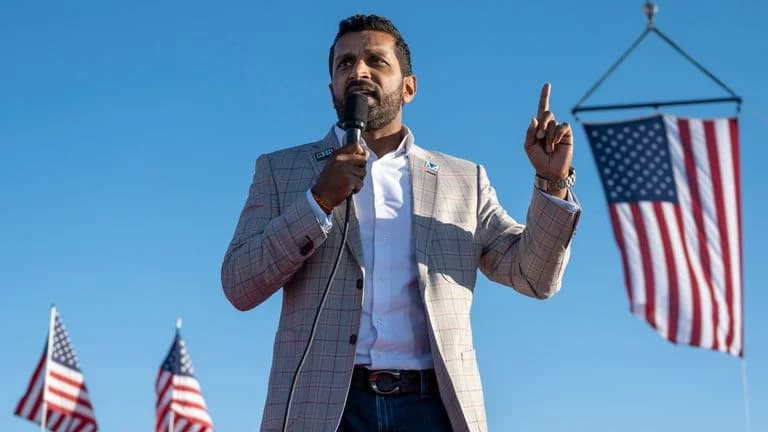
As Donald Trump prepares for his return to the presidency, his latest appointments suggest a strategy deeply rooted in loyalty and retribution. The nomination of Kash Patel, a staunch Trump ally, as FBI Director exemplifies this direction. Patel, known for his vocal criticism of the so-called “Deep State,” has promised to pursue individuals within both government and media whom he accuses of undermining Trump’s leadership. His tenure could dramatically reshape the FBI, raising concerns about the future of the agency's integrity and U.S. security. Patel's aggressive stance toward perceived con
As Donald Trump prepares for his return to the presidency, his latest appointments suggest a strategy deeply rooted in loyalty and retribution. The nomination of Kash Patel, a staunch Trump ally, as FBI Director exemplifies this direction. Patel, known for his vocal criticism of the so-called “Deep State,” has promised to pursue individuals within both government and media whom he accuses of undermining Trump’s leadership. His tenure could dramatically reshape the FBI, raising concerns about the future of the agency's integrity and U.S. security. Patel's aggressive stance toward perceived conspirators, expressed during his interview with Steve Bannon, underscores a potentially contentious relationship with Senate members who must approve his appointment. The prospect of Patel’s investigative reach may influence their decision-making process. Meanwhile, Trump’s selection of Charles Kushner, his son-in-law's father, as U.S. Ambassador to France has drawn scrutiny. Despite a criminal past involving tax evasion and witness tampering, Kushner’s appointment reflects Trump's prioritization of loyalty over conventional diplomacy. This pattern—favoring friends, family, and Florida connections—suggests a presidency driven by personal allegiance and retributive politics, signaling turbulent times ahead for U.S. governance and global diplomacy.



Comments
No comments yet. Be the first to share a thought.