
A recent decision by the President of the United States, Donald Trump, to temporarily suspend the operations of the U.S. Agency for International Development (USAID) could lead to 14 million deaths within the next five years, according to research published in The Lancet medical journal. The research indicates that the most affected will be children, especially those under the age of five. The report showed that between 2001 and 2021, USAID assistance helped prevent the deaths of over 90 million people in developing countries. In their analysis, researchers stated that cutting this funding
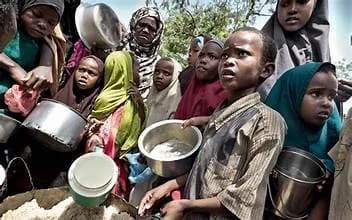
A recent decision by the President of the United States, Donald Trump, to temporarily suspend the operations of the U.S. Agency for International Development (USAID) could lead to 14 million deaths within the next five years, according to research published in The Lancet medical journal. The research indicates that the most affected will be children, especially those under the age of five. The report showed that between 2001 and 2021, USAID assistance helped prevent the deaths of over 90 million people in developing countries. In their analysis, researchers stated that cutting this funding could result in 14 million additional deaths over the next five years, including 4.5 million children under five who would die from disease and lack of food. Low- and middle-income countries are facing a shock "comparable in scale to a global pandemic or a major armed conflict," said Davide Rasella, who co-authored the report. Since February, when President Donald Trump returned to power, he has moved quickly to temporarily suspend USAID operations in order to first review its activities. The U.S. Secretary of State, Marco Rubio, recently announced that over 80% of all USAID projects had been suspended because the administration believes the funding and use of resources have been ineffective. The United Nations condemned this decision, warning that humanitarian operations around the world are now in jeopardy, especially as people in refugee camps in countries such as Kenya, South Sudan, and Ethiopia increasingly lack adequate food supplies.



Comments
No comments yet. Be the first to share a thought.