
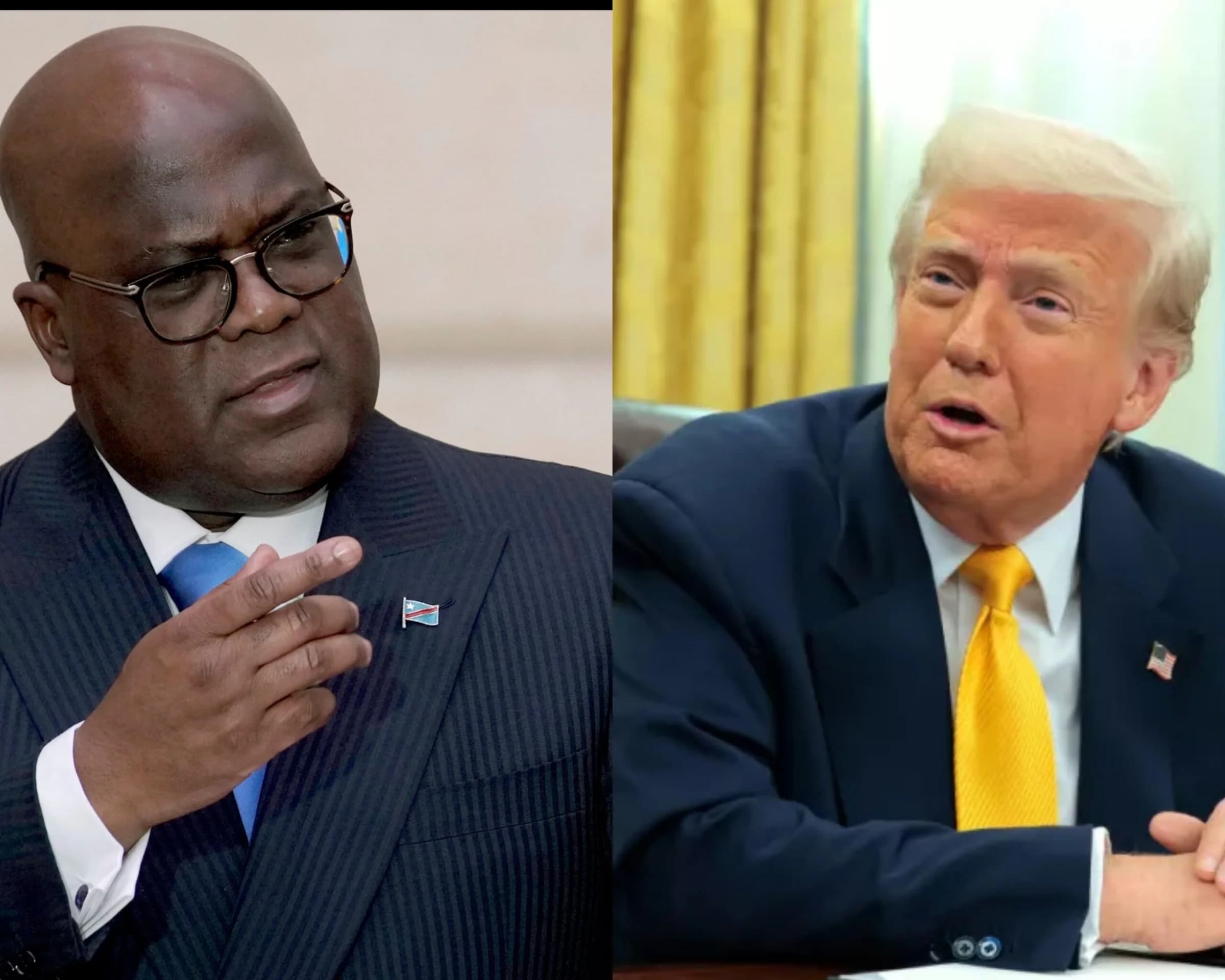
Introduction: The Global Scramble for Critical Minerals As the world accelerates toward a future powered by electric vehicles and high-tech industries, the Democratic Republic of the Congo (DRC) is once again at the center of a geopolitical struggle. Former U.S. President Donald Trump has set his sights on the mineral-rich nation, seeking a strategic deal on rare earth minerals. After stalled negotiations on resource extraction with Ukraine, Trump has turned his focus to the DRC—a nation plagued by conflict and instability but home to some of the world’s most valuable mineral resources. Thi
Introduction: The Global Scramble for Critical Minerals As the world accelerates toward a future powered by electric vehicles and high-tech industries, the Democratic Republic of the Congo (DRC) is once again at the center of a geopolitical struggle. Former U.S. President Donald Trump has set his sights on the mineral-rich nation, seeking a strategic deal on rare earth minerals. After stalled negotiations on resource extraction with Ukraine, Trump has turned his focus to the DRC—a nation plagued by conflict and instability but home to some of the world’s most valuable mineral resources. This is more than a political maneuver; it reflects the ongoing global contest for control over Africa’s natural wealth. Beneath diplomatic rhetoric lies an economic and political chess game that could redefine Africa’s role in the global order. *The Stakes: Cobalt, Coltan, and the Battle for Tech Dominance* Cobalt and coltan are among the most valuable resources in today’s technology-driven world. Cobalt is crucial for electric vehicle batteries, while coltan is essential for smartphone production. The DRC holds over 60% of the world’s cobalt reserves (U.S. Geological Survey, 2024), making it a key battleground for economic superpowers like the United States and China. For years, China has dominated cobalt mining in the DRC, effectively controlling the global supply chain (Amnesty International, 2016). The U.S. views this monopoly as a national security risk, and Trump’s move appears to be a direct effort to counter China’s grip on Africa’s mineral wealth. However, entering this space is fraught with challenges, given the DRC’s history of conflict, corruption, and foreign exploitation. Trump’s “Transactional Diplomacy”: A Shift in U.S. Foreign Policy? Trump has consistently approached foreign relations through a transactional lens—always asking, “What does the U.S. gain?” His latest venture into the DRC follows this pattern. Reports indicate Trump is considering appointing Massad Boulos, his daughter Tiffany’s father-in-law, as a special peace envoy to the DRC. This raises critical questions: Is the U.S. genuinely interested in promoting peace, or is this a cover for securing mineral access? Will the U.S. prioritize ethical mining practices and labor rights, or take a hands-off approach in exchange for economic gain? Trump’s move suggests an attempt to mirror China’s strategy—leveraging resource diplomacy rather than traditional military or humanitarian engagement. However, unlike China, which has spent decades investing in Africa’s infrastructure and securing long-term agreements, the U.S. has historically been an inconsistent partner in African affairs. The Ethical Dilemma: Exploitation vs. Economic Development Despite its vast natural wealth, the DRC has long suffered from the “resource curse,” where mineral abundance fuels corruption, violence, and poverty rather than prosperity. If Trump’s intervention follows historical patterns, it may lead to further exploitation instead of genuine development. Human rights organizations have raised concerns about: Child labor in cobalt mines, where children as young as seven work in hazardous conditions (Human Rights Watch, 2018). Environmental destruction from unregulated mining, causing deforestation, soil erosion, and water pollution (Global Witness, 2022). Worker exploitation, where Congolese miners earn meager wages while foreign corporations extract billions in profits (Al Jazeera, 2023). If Trump’s DRC strategy is purely profit-driven, it risks exacerbating these problems rather than addressing them. The challenge for the DRC is ensuring foreign deals benefit its citizens rather than enriching foreign investors and corrupt officials. What’s Next? The Future of U.S.-DRC Relations Trump’s interest in the DRC raises pressing questions: Will the U.S. push for ethical labor standards, or will economic interests take priority? Can the DRC government negotiate a deal that truly benefits its people, or will corruption allow foreign powers to siphon off wealth? How will China respond to U.S. intervention, and could this escalate into an economic confrontation in Africa? Handled correctly, the DRC’s mineral wealth could be a catalyst for economic stability. However, if mishandled, it could fuel further conflict and deepen existing inequalities. *Conclusion: Africa Must Define Its Own Future* Trump’s interest in the DRC’s cobalt reserves underscores Africa’s continued struggle to control its own resources. For too long, the continent’s wealth has been at the mercy of foreign interests. African nations must set their own terms for resource deals, demand fair trade agreements, and invest in local infrastructure that benefits their citizens. The DRC, in particular, must move beyond short-term gains and focus on long-term economic planning. Ultimately, this is not just a battle between the U.S. and China—it is a fight for Congo’s future. Will its mineral wealth be a path to prosperity or a source of perpetual conflict? The answer depends on the choices made today.



Comments
No comments yet. Be the first to share a thought.