
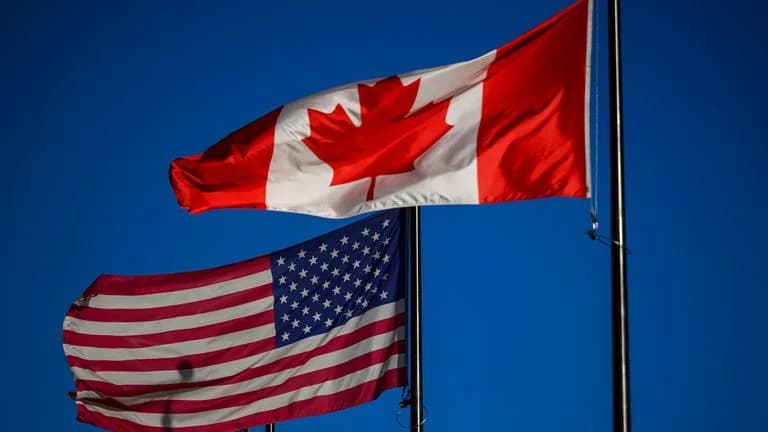
On February 1, 2025, U.S. President Donald Trump announced the imposition of new tariffs on imports from Canada, Mexico, and China, citing the need to curb illegal immigration and drug trafficking. The tariffs include a 25% duty on imports from Canada and Mexico and a 10% duty on Chinese imports. This move has escalated tensions in global trade, prompting swift retaliatory actions from the affected countries. Canadian Prime Minister Justin Trudeau condemned the tariffs, stating that his government would impose 25% tariffs on $155 billion worth of American goods. The countermeasures will be im
On February 1, 2025, U.S. President Donald Trump announced the imposition of new tariffs on imports from Canada, Mexico, and China, citing the need to curb illegal immigration and drug trafficking. The tariffs include a 25% duty on imports from Canada and Mexico and a 10% duty on Chinese imports. This move has escalated tensions in global trade, prompting swift retaliatory actions from the affected countries. Canadian Prime Minister Justin Trudeau condemned the tariffs, stating that his government would impose 25% tariffs on $155 billion worth of American goods. The countermeasures will be implemented in two phases: The first phase, starting immediately, will apply tariffs to $30 billion worth of American goods, including alcoholic beverages, fresh fruits, and other essential imports. The second phase, set to begin in three weeks, will cover an additional $125 billion worth of goods. Trudeau urged Canadian citizens to prioritize locally made products and reduce reliance on American imports to protect the country’s economy. Meanwhile, Mexican President Claudia Sheinbaum criticized Trump’s claims that Mexico facilitates drug trafficking and organized crime. She labeled these accusations as baseless and asserted that the issue of illegal drugs should be addressed within the U.S. rather than blaming neighboring countries. In response, Mexico has also imposed tariffs on key U.S. exports, signaling a potential deterioration in diplomatic relations between the two nations. China, which has been a frequent target of U.S. tariffs under Trump’s administration, has strongly opposed the new measures. The Chinese Ministry of Commerce announced that it would file a complaint with the World Trade Organization (WTO), arguing that the tariffs violate international trade regulations. Additionally, Beijing has vowed to implement countermeasures to protect its economic interests, further fueling concerns of a prolonged trade dispute between the world’s two largest economies. Economic analysts warn that this trade conflict could have severe consequences on global markets. The tariffs are expected to increase the cost of consumer goods in the U.S., including groceries, vehicles, and electronics. Additionally, Canada and Mexico play a crucial role in the U.S. supply chain, and increased trade barriers could disrupt production and logistics across various industries. Furthermore, the retaliatory tariffs imposed by Canada, Mexico, and China could hurt American exporters, particularly in the agriculture and manufacturing sectors. Some U.S. lawmakers and business leaders have urged the administration to reconsider its stance and engage in diplomatic negotiations to avoid further economic instability. Despite mounting criticism, President Trump remains firm in his decision, stating that the tariffs will remain in place until the issues of illegal immigration and drug trafficking are resolved. However, with Canada, Mexico, and China escalating their responses, the potential for a full-scale trade war looms large. The coming weeks will be critical in determining whether diplomatic talks can de-escalate tensions or if these economic confrontations will lead to long-term disruptions in international trade. As the situation unfolds, businesses, investors, and governments worldwide will be closely monitoring the impact of these policies on the global economy. Source : BBC news



Comments
No comments yet. Be the first to share a thought.