
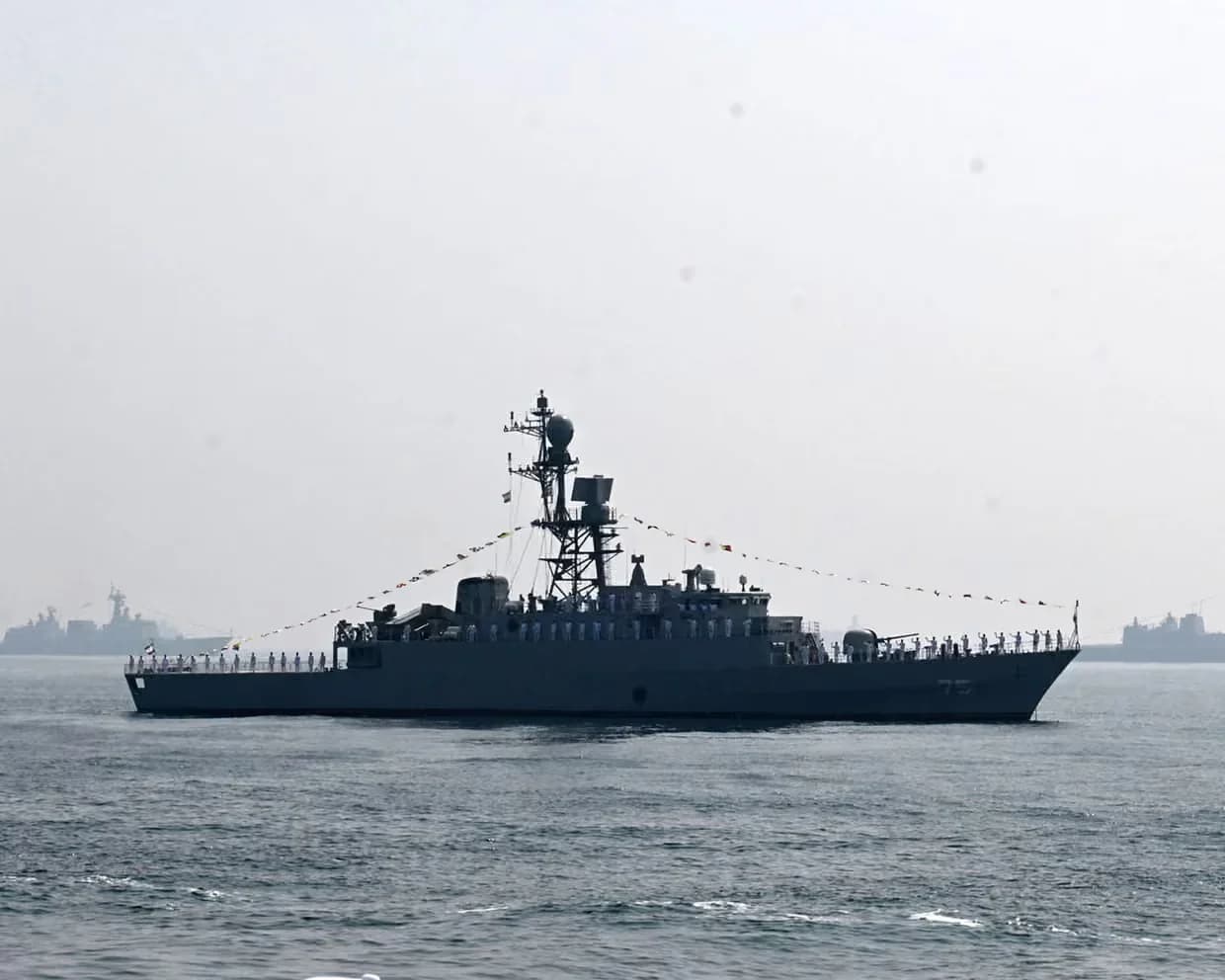
The United States confirmed on March 4 that one of its submarines sank an Iranian naval vessel in international waters, marking an escalation in the ongoing conflict involving Washington, Israel, and Tehran. At a Pentagon briefing, U.S. Defense Secretary Pete Hegseth said an American submarine fired a torpedo that struck the Iranian frigate IRIS Dena in the Indian Ocean, reportedly off Sri Lanka’s southern coast. Hegseth described it as the first sinking of an enemy vessel by torpedo since World War Two, a claim that could not be independently verified. Pete Hegseth, US secretary of defense, d
The United States confirmed on March 4 that one of its submarines sank an Iranian naval vessel in international waters, marking an escalation in the ongoing conflict involving Washington, Israel, and Tehran.
At a Pentagon briefing, U.S. Defense Secretary Pete Hegseth said an American submarine fired a torpedo that struck the Iranian frigate IRIS Dena in the Indian Ocean, reportedly off Sri Lanka’s southern coast. Hegseth described it as the first sinking of an enemy vessel by torpedo since World War Two, a claim that could not be independently verified.

Pete Hegseth, US secretary of defense, during a news conference at the Pentagon (Bloomberg Photo)
Reuters and Sri Lankan navy officials said 79 people were rescued and taken to hospital, 101 remain missing, and one death has been confirmed. The vessel is believed to have carried around 180 personnel. Iranian authorities have not released official casualty figures, and the final toll is expected to depend on ongoing search operations.
U.S. officials said the frigate was returning from a multinational naval exercise in India. Washington did not specify whether the vessel posed an immediate threat.
The strike comes amid an intensifying U.S.-Israeli campaign following weeks of missile and drone exchanges. Hegseth said operations, referred to as Operation Epic Fury, would continue until U.S. strategic objectives were met, describing Israel as a “steadfast partner.”
Chairman of the Joint Chiefs of Staff, Gen. Dan Caine, said U.S. forces had “effectively neutralised” Iran’s major naval presence and struck more than 2,000 military targets inside Iran. Iranian authorities have not independently confirmed these figures.
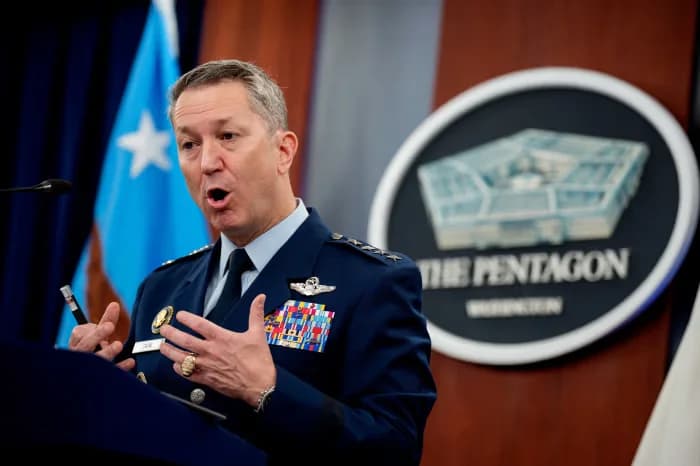
Chairman of the Joint Chiefs of Staff, Gen. Dan Caine (Photo:The Wall Street Journal)
CENTCOM commander Admiral Brad Cooper said the U.S. goal is to sink "the entire Iranian Navy," confirming that as of Thursday no Iranian vessel was underway in the Arabian Gulf, the Strait of Hormuz, or the Gulf of Oman. Vessels already destroyed include the IRIS Shahid Sayyad Shirazi, IRIS Shahid Bagheri, and IRIS Makran. The campaign has also cost American lives, at least three U.S. troops have been killed since hostilities escalated.
CENTCOM commander Admiral Brad Cooper
Despite the reported damage, U.S. officials acknowledged that Iranian missile and drone systems remain operational. The conflict has widened, with Israeli air strikes targeting Tehran-area sites and Iranian missiles and drones hitting Israeli and regional positions. Local and humanitarian sources report more than 1,000 civilian deaths in Iran since the escalation began, though figures remain unverified.
Fighting has disrupted shipping near the Strait of Hormuz, a key corridor for global energy supplies, contributing to market volatility. Diplomatic efforts at the United Nations and through regional mediators have so far failed to secure a ceasefire.
The escalation represents one of the most direct U.S.-Iran confrontations in decades, moving beyond proxy engagements into overt naval conflict. Analysts at the International Crisis Group warn sustained strikes could heighten the risk of regional retaliation. Hegseth said the United States is prepared to continue operations “for as long as necessary.”



Comments
No comments yet. Be the first to share a thought.