
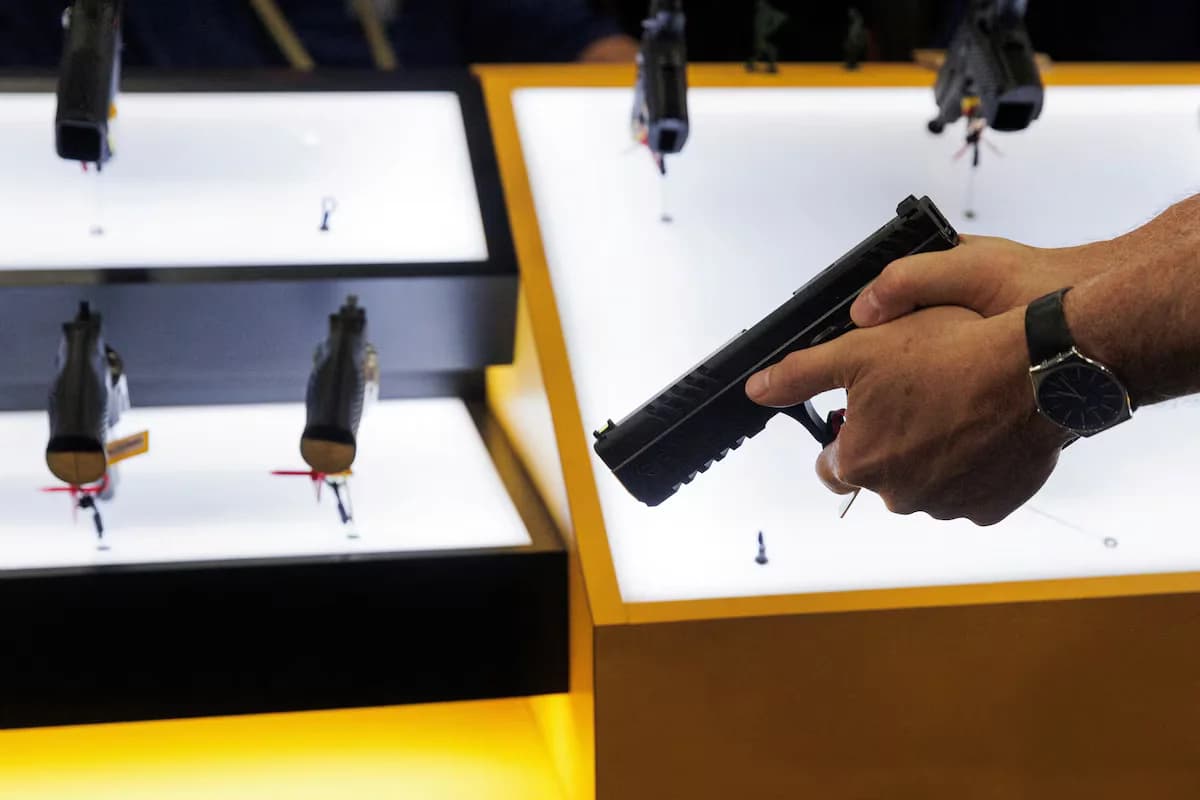
The U.S. Supreme Court on Monday, 02 March 2026, confronted a constitutional challenge that could reshape the boundaries of federal gun control, as justices examined whether a decades-old law barring illegal drug users from owning firearms violates the Second Amendment. At the center of the dispute is Section 922(g)(3) of the federal criminal code, a provision that makes it a felony for anyone deemed an “unlawful user” of controlled substances to possess a gun. The case, United States v. Hemani, stems from the prosecution of a Texas man after authorities discovered a handgun alongside marijua
The U.S. Supreme Court on Monday, 02 March 2026, confronted a constitutional challenge that could reshape the boundaries of federal gun control, as justices examined whether a decades-old law barring illegal drug users from owning firearms violates the Second Amendment. At the center of the dispute is Section 922(g)(3) of the federal criminal code, a provision that makes it a felony for anyone deemed an “unlawful user” of controlled substances to possess a gun. The case, United States v. Hemani, stems from the prosecution of a Texas man after authorities discovered a handgun alongside marijuana and cocaine in his home. He was not accused of using the firearm while intoxicated. the Court must decide whether the government can categorically strip individuals of gun rights based solely on unlawful drug use without proof of dangerous behavior or impairment at the time of possession. The case arrives at a moment when the judiciary has tightened standards for firearm regulations, requiring that modern laws align with the nation’s historical tradition of gun control. During oral arguments, several justices questioned whether historical evidence supports a sweeping prohibition. Some appeared skeptical that occasional marijuana use, particularly in states where it is legal under state law, automatically signals a level of dangerousness sufficient to justify a permanent loss of constitutional rights. The federal government argues that the restriction is essential to public safety, likening it to longstanding prohibitions aimed at individuals considered risky, such as habitual drunkards. Supporters say the law prevents potentially impaired individuals from accessing deadly weapons. A ruling, expected later this term, could have far-reaching consequences, not only for federal gun policy but also for the evolving relationship between drug laws and constitutional rights in America.



Comments
No comments yet. Be the first to share a thought.