
The United Arab Emirates (UAE) has announced it will withdraw from both Organization of the Petroleum Exporting Countries (OPEC) and the broader OPEC+ production framework, marking one of the most significant shifts in global oil governance in decades and intensifying pressure on Saudi Arabia and other major producers amid the ongoing Iran conflict. The decision, announced on April 28, 2026, will take effect on May 1. The UAE said the move reflects its “long-term strategic and economic vision” and is intended to give it greater flexibility in managing oil production outside OPEC quota constrai
The United Arab Emirates (UAE) has announced it will withdraw from both Organization of the Petroleum Exporting Countries (OPEC) and the broader OPEC+ production framework, marking one of the most significant shifts in global oil governance in decades and intensifying pressure on Saudi Arabia and other major producers amid the ongoing Iran conflict.
The decision, announced on April 28, 2026, will take effect on May 1. The UAE said the move reflects its “long-term strategic and economic vision” and is intended to give it greater flexibility in managing oil production outside OPEC quota constraints.
Energy Minister Suhail Al Mazrouei told reporters the UAE made the decision at a time when it would be “the least disruptive to other producers in the group,” according to CNBC.
The UAE is the third-largest oil producer within OPEC+, behind Saudi Arabia and Iraq, making its exit a significant structural loss for the alliance.
Its departure also affects OPEC+, the expanded grouping that includes OPEC members alongside major non-OPEC producers such as Russia, which has been central to global supply coordination since 2016.
The UAE’s membership traces back to 1967, when Abu Dhabi joined OPEC before the formation of the United Arab Emirates in 1971.
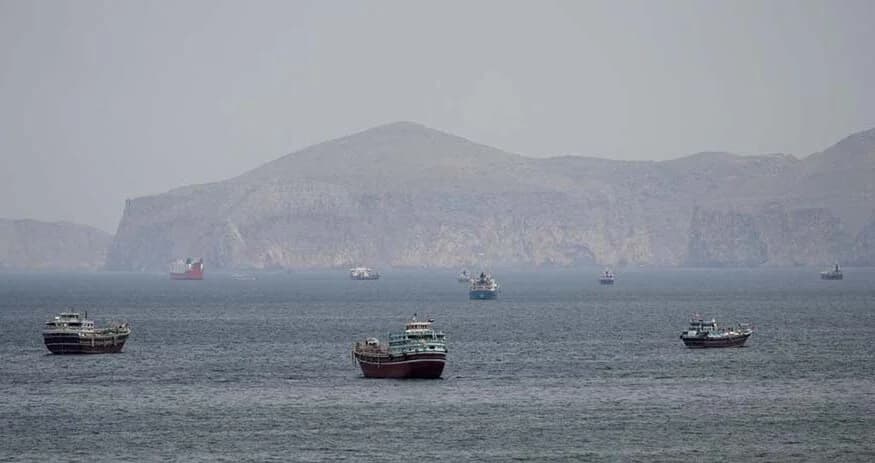
The announcement comes amid severe disruption to global energy markets linked to the Iran war, which has affected shipping through the Strait of Hormuz, a critical chokepoint for global crude flows.
In March, UAE oil production fell by 44 percent to around 1.9 million barrels per day as regional instability intensified, highlighting the operational pressures preceding the decision.
Across OPEC+, the wider disruption has been significant. According to reporting by The National, the Iran conflict and related instability removed an estimated 7.88 million barrels per day of OPEC supply in March, marking one of the largest supply contractions in decades.
Analysts say the UAE’s departure weakens the group’s ability to coordinate output policy, particularly as Saudi Arabia continues to act as the dominant stabilizing producer within the system.
The move also reflects growing divergence within the Gulf energy bloc over long-term production strategy, pricing flexibility, and national economic diversification plans.
Despite the political shock, oil markets remain volatile rather than collapsing, with traders continuing to price in supply risks tied to the wider regional conflict.



Comments
No comments yet. Be the first to share a thought.