
A senior United Arab Emirates official on Friday said Tehran cannot be trusted over any unilateral arrangements for the Strait of Hormuz, as efforts to end the Iran war remained at an impasse two months into the conflict. Anwar Gargash, Diplomatic Adviser to the UAE President, said in a post on X that the "collective international will and provisions of international law" were the primary guarantors of freedom of navigation through the strait. "No unilateral Iranian arrangements can be trusted or relied upon following its treacherous aggression against all its neighbours," Gargash wrote, in re
A senior United Arab Emirates official on Friday said Tehran cannot be trusted over any unilateral arrangements for the Strait of Hormuz, as efforts to end the Iran war remained at an impasse two months into the conflict.
Anwar Gargash, Diplomatic Adviser to the UAE President, said in a post on X that the "collective international will and provisions of international law" were the primary guarantors of freedom of navigation through the strait.
"No unilateral Iranian arrangements can be trusted or relied upon following its treacherous aggression against all its neighbours," Gargash wrote, in remarks reported by Reuters. Iran did not immediately respond.
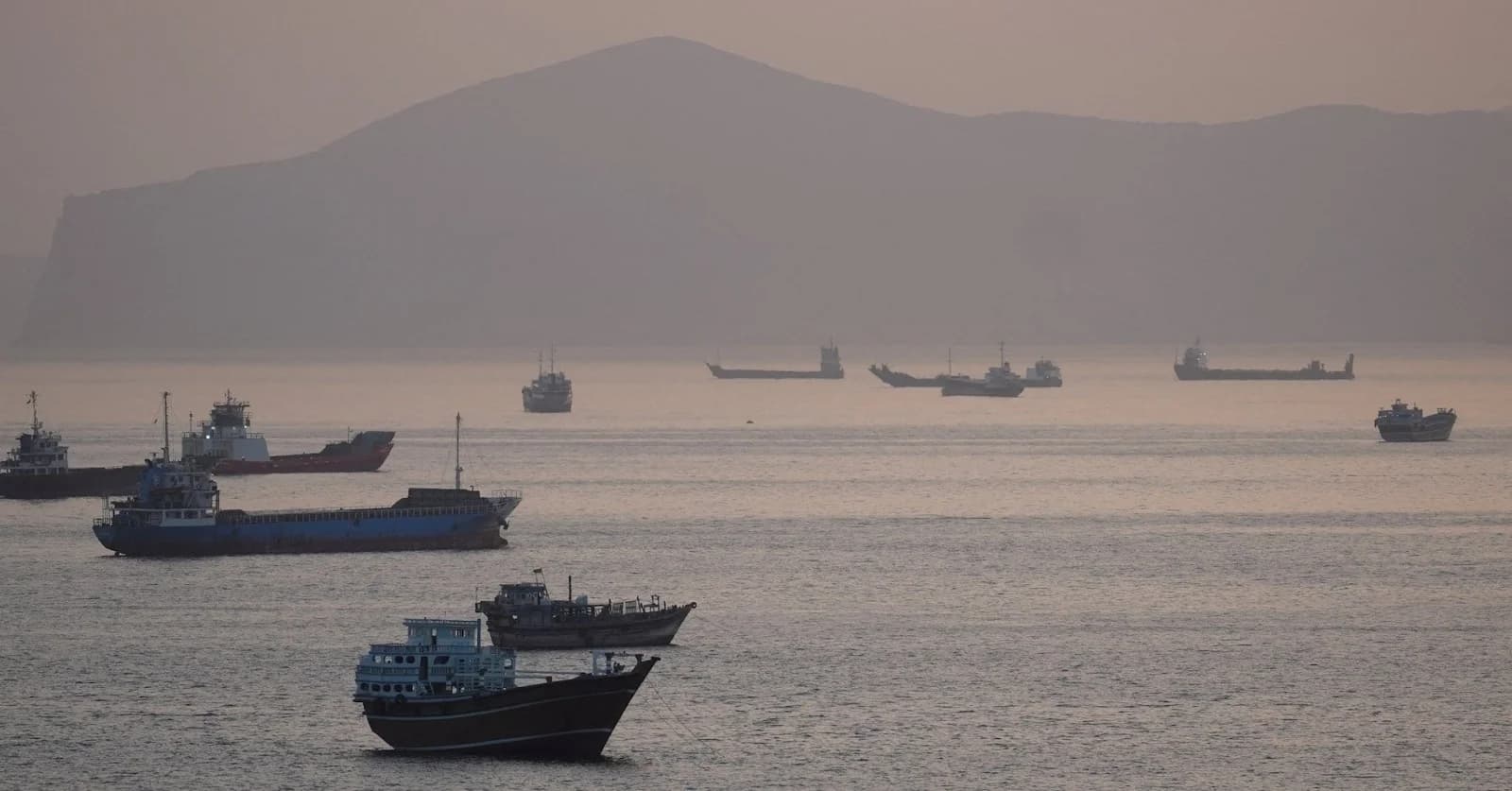
The strait has been largely blocked since February 28, when the United States and Israel launched an air war against Iran. While a conditional ceasefire has been in place since April 8, almost no shipping has used the waterway, which remains effectively closed, officials said.
The U.S. has since imposed a counter-blockade on ships seeking to use Iranian ports. The blockade has choked off 20 percent of the world's oil and gas supplies, pushing up global energy prices and raising concerns of an economic downturn.
Iran has offered to reopen the strait if the U.S. lifts its naval blockade, while proposing to set aside nuclear negotiations for a later stage.
The White House confirmed that President Trump and his national security team reviewed the proposal. The administration also argued that a formal May 1 deadline under the 1973 War Powers Resolution no longer applied, with a senior official telling Reuters that hostilities had effectively terminated under the April ceasefire, a claim contested by Democratic lawmakers and legal experts..
Secretary of State Marco Rubio rejected the proposal, saying Iran's terms amounted to demanding coordination and payment from vessels. "Those are international waterways," Rubio said. "They cannot normalize, nor can we tolerate them trying to normalize, a system in which the Iranians decide who gets to use an international waterway."
The prolonged closure has drawn criticism from world leaders, with German Chancellor Friedrich Merz telling a student forum that the U.S. administration lacked a convincing strategy in its negotiations with Iran.



Comments
No comments yet. Be the first to share a thought.