
Ugandan President Yoweri Kaguta Museveni on Thursday called for a review of the Protection of Sovereignty Bill 2026, distancing himself from provisions that critics say would restrict foreign direct investment, diaspora remittances, and church donations, while insisting the legislation's core purpose is to protect Uganda's right to make independent policy decisions. In a statement issued on April 30, Museveni said he had noticed "a lot of noise regarding the Sovereignty Bill," and questioned whether the version drawing public backlash was even the one he had originally proposed in Cabinet. "Th
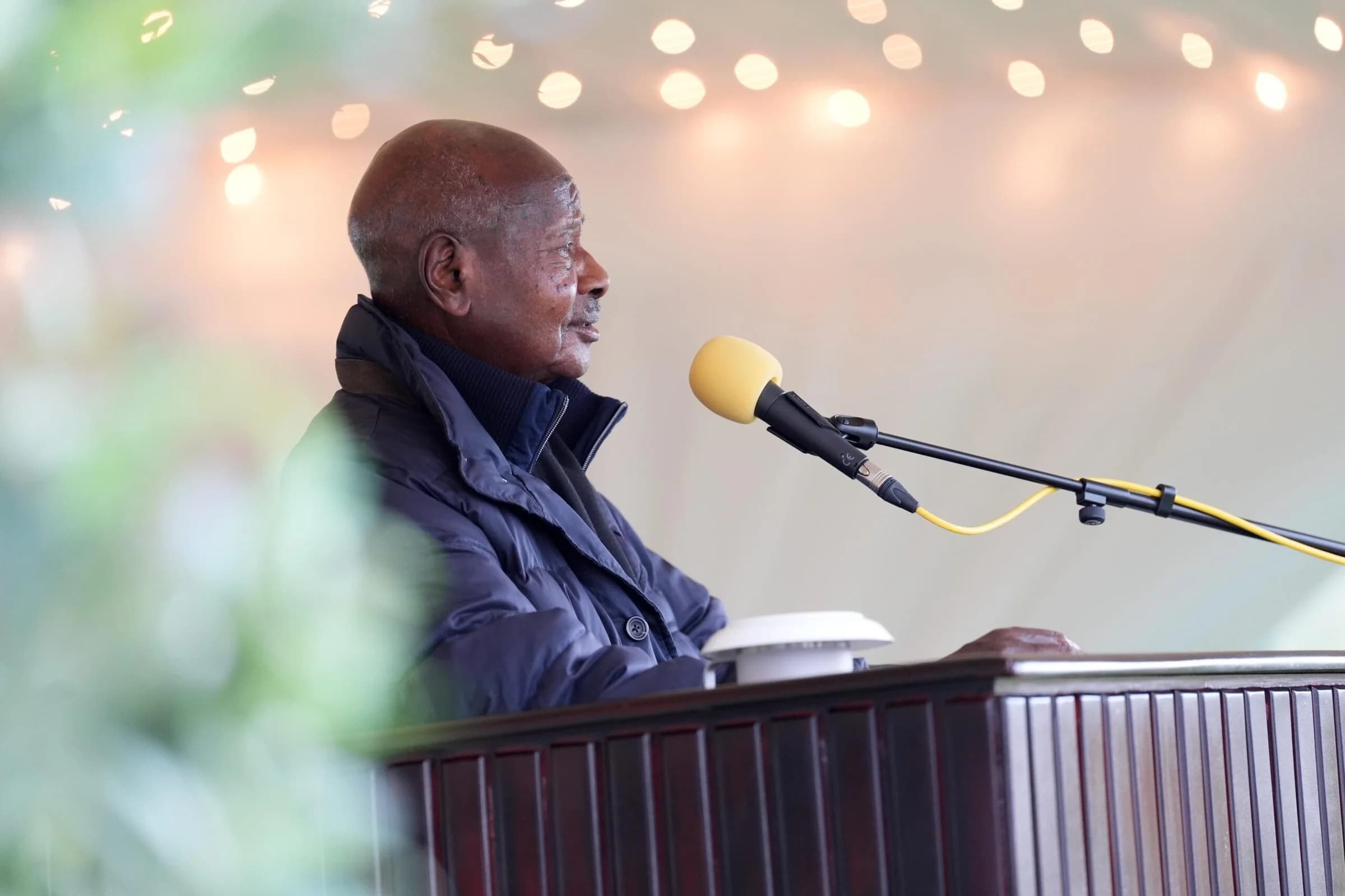
Ugandan President Yoweri Kaguta Museveni on Thursday called for a review of the Protection of Sovereignty Bill 2026, distancing himself from provisions that critics say would restrict foreign direct investment, diaspora remittances, and church donations, while insisting the legislation's core purpose is to protect Uganda's right to make independent policy decisions.
In a statement issued on April 30, Museveni said he had noticed "a lot of noise regarding the Sovereignty Bill," and questioned whether the version drawing public backlash was even the one he had originally proposed in Cabinet.
"That is not the Bill I initiated," Museveni wrote, adding that the original intention of the legislation was to protect Uganda's sovereign right to make independent national decisions without undue foreign influence, not to interfere with legitimate business operations, religious support systems, or family remittances.
The Protection of Sovereignty Bill was introduced in parliament on April 15, 2026 by Internal Affairs State Minister David Muhoozi. The bill requires any Ugandan receiving money from outside the country to register as a foreign agent and disclose all incoming funds.
It also prohibits foreign agents from hindering the implementation of government policy, and criminalize the development or promotion of alternative public policies without government approval. Punishments include fines of up to 4 billion Ugandan shillings ($1.08 million) and prison sentences of up to 20 years, according to Monitor.
In his Thursday statement, Museveni framed the bill in pan-African terms, tracing Africa's loss of sovereignty to the colonial era and arguing that true independence means the right to make national policy decisions, on political, social, economic, and diplomatic matters, free from foreign funding or pressure. (Museveni statement, April 30)
Museveni said he had spoken to Government Chief Whip Hamson Obua and the chairpersons of relevant parliamentary committees, directing them to ensure the bill concentrates on sovereignty of policy decision-making and does not "meander in the areas of the freedom of private enterprise transfers or private money transfers or church donations."
The clarification comes amid mounting international and domestic pressure. The World Bank wrote to parliament on April 23, warning that the bill could expose its routine development activities, including organizing meetings where alternative policy ideas are discussed, to criminal liability.
Human Rights Watch said the bill's provisions "blatantly" fail international human rights standards, drawing comparisons to similar laws passed in Russia that have been used to shut down civil society, and called on Ugandan parliamentarians to reject the bill outright.
Domestically, Leader of Opposition Joel Ssenyonyi described the bill as "economic suicide," warning it could drive away investors and donors while worsening unemployment, and argued that existing laws already address the concerns raised by its proponents.
Uganda Law Society Vice President Asiimwe Anthony said the bill "effectively transfers sovereignty from the people to the executive," adding that in its current form it is "unconstitutional and cannot stand."
More than 90 percent of witnesses who appeared before the parliamentary committee scrutinizing the bill, including civil society representatives, professionals, students, and ordinary citizens, opposed it.
The ruling NRM has nonetheless vowed to use its parliamentary majority to pass the legislation. The bill has been referred to the parliamentary committees on Defense and Internal Affairs and Legal and Parliamentary Affairs for scrutiny.



Comments
No comments yet. Be the first to share a thought.