
Uganda has announced that it will no longer receive or grant asylum to new arrivals from Ethiopia, Eritrea, and Somalia, saying these countries are not currently at war and that international aid for refugee support has dropped to alarming levels. The announcement was made by Eng. Hilary Onek Minister for Relief, Disaster Preparedness and Refugees. He said Uganda cannot continue accepting asylum seekers from countries that are not facing severe insecurity. “I have instructed our staff not to grant asylum to people from those countries because there is no active conflict, especially for thos
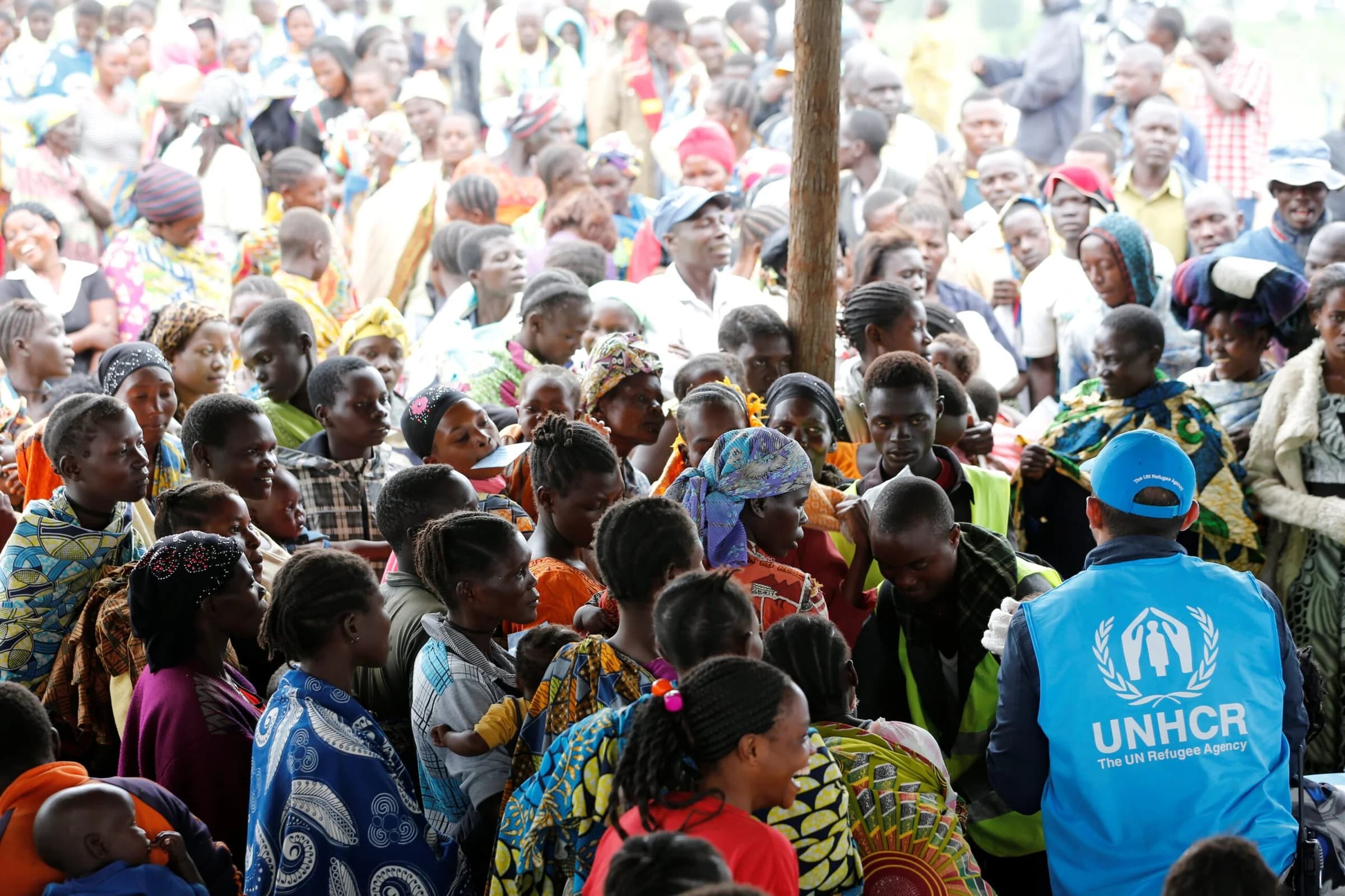
Uganda has announced that it will no longer receive or grant asylum to new arrivals from Ethiopia, Eritrea, and Somalia, saying these countries are not currently at war and that international aid for refugee support has dropped to alarming levels. The announcement was made by Eng. Hilary Onek Minister for Relief, Disaster Preparedness and Refugees. He said Uganda cannot continue accepting asylum seekers from countries that are not facing severe insecurity. “I have instructed our staff not to grant asylum to people from those countries because there is no active conflict, especially for those coming from Eritrea, Ethiopia, and Somalia,” he said. Onek clarified that the new measure applies only to new asylum seekers. Those already granted refugee status will retain it, but Uganda has halted admitting new applicants from countries not experiencing war. He made the remarks as Uganda received 2.544 tons of rice donated by the Government of South Korea in partnership with the World Food Programme (WFP). The donation is intended to support vulnerable families and refugees. Uganda has long been praised for its open-door refugee policy, but declining international assistance has placed the country under increasing pressure as refugee numbers continue to rise. According to Onek, the reduced funding is “putting the country under economic strain,” with support for refugees having sharply decreased. Uganda previously received about 240 million US dollars annually from UNHCR. This has now fallen to about 100 million dollars (approximately 361 billion Ugandan shillings), even as the country hosts nearly two million refugees. These financial challenges have led the government to state that it can no longer take in refugees beyond its capacity. Uganda remains one of the world’s top refugee-hosting nations, but authorities warn that without adequate support, maintaining this policy will become increasingly difficult.



Comments
No comments yet. Be the first to share a thought.