
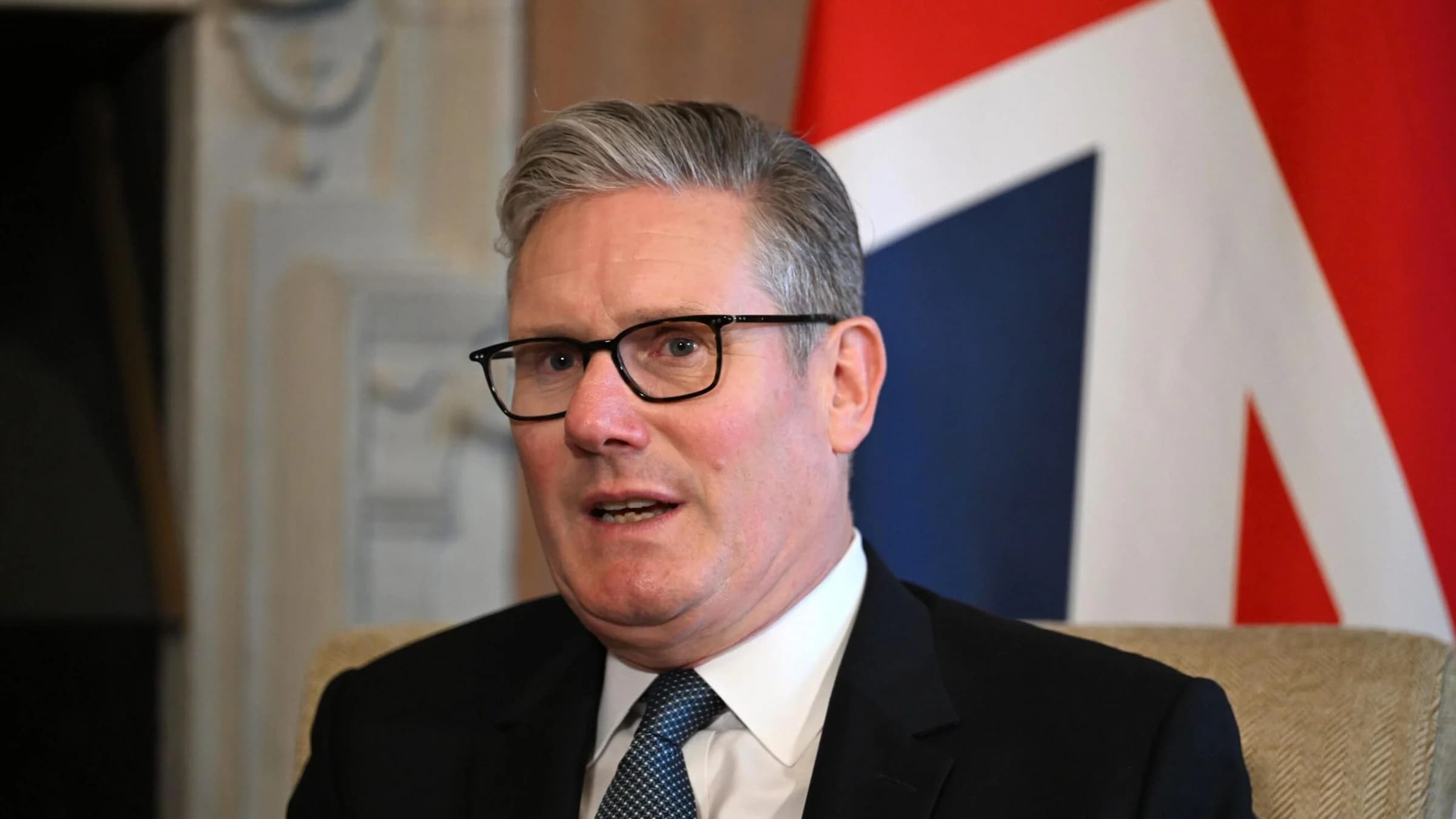
A senior fellow at London-based think tank Chatham House has criticized the United Kingdom’s conditional approach to recognising Palestinian statehood, calling it “quite bizarre” and “disturbing.” Speaking to ABC’s London correspondent Syan Vallance, Yossi Mekelberg contrasted Prime Minister Keir Starmer’s recent remarks with the move by French President Emmanuel Macron, who last week announced France would unconditionally recognize Palestine. “The case of France and President Macron, it’s not conditional,” Mekelberg said. “It’s a move because there is a recognition that this helped to break
A senior fellow at London-based think tank Chatham House has criticized the United Kingdom’s conditional approach to recognising Palestinian statehood, calling it “quite bizarre” and “disturbing.” Speaking to ABC’s London correspondent Syan Vallance, Yossi Mekelberg contrasted Prime Minister Keir Starmer’s recent remarks with the move by French President Emmanuel Macron, who last week announced France would unconditionally recognize Palestine. “The case of France and President Macron, it’s not conditional,” Mekelberg said. “It’s a move because there is a recognition that this helped to break the impasse in the relationship between Israel and Palestinians in any future peace negotiation.” In contrast, Starmer’s position makes recognition contingent on certain conditions being met, a stance Mekelberg finds troubling. “It’s quite disturbing, that recognition in Palestinian statehood. The UK doesn’t see it’s a value by itself, but it sees it as a threat,” he said. He questioned the logic behind such a policy.
“And if Israel behaves itself, then what does it mean? That the UK does not see the need to recognise Palestinian statehood? If this is the case and that’s what the UK government position [is], I find it quite bizarre.”



Comments
No comments yet. Be the first to share a thought.