
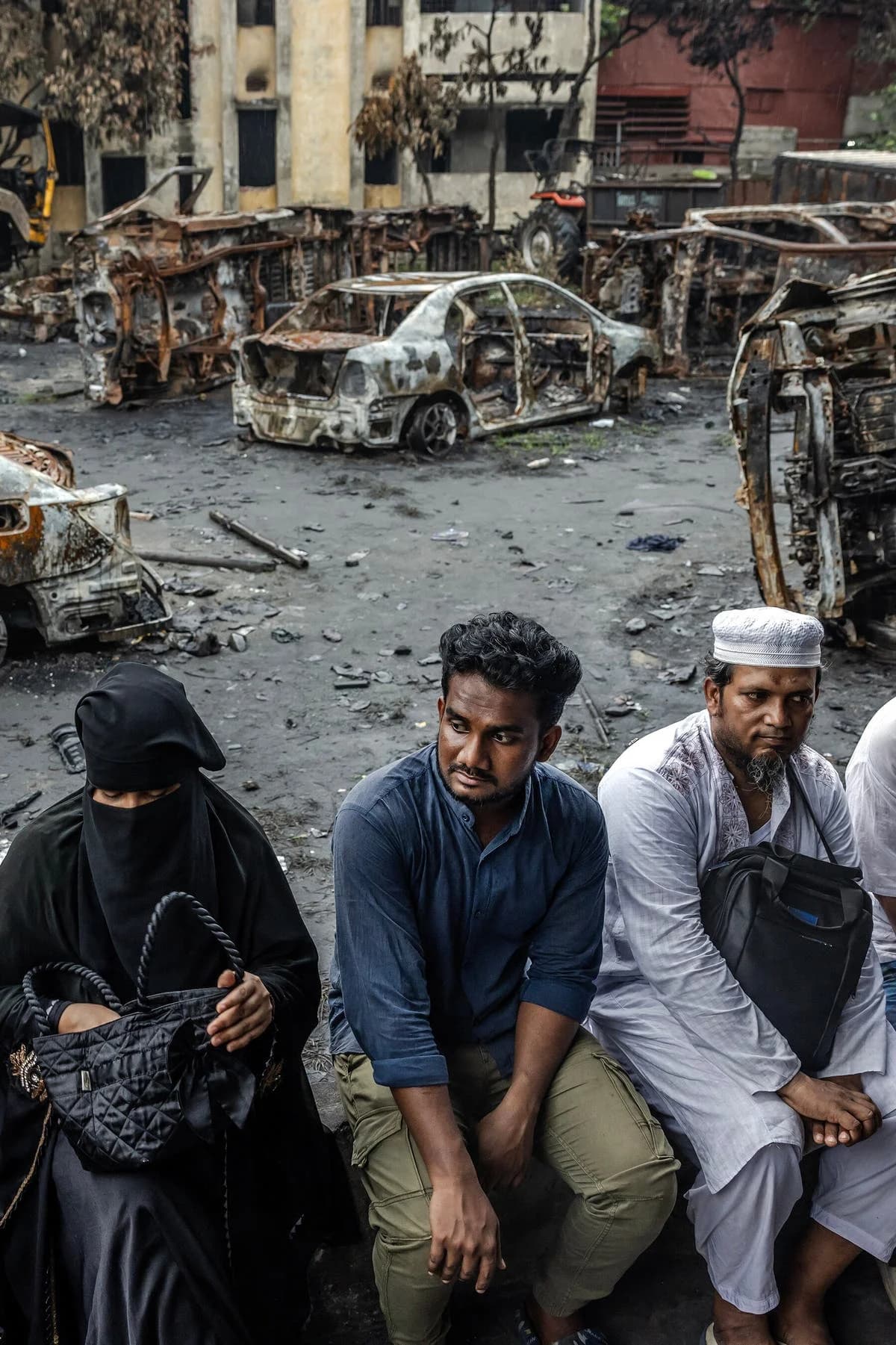
A United Nations report released on February 12, 2025, reveals the devastating impact of the violent repression of student protests in Bangladesh. The protests, initially sparked by demands for political reform, escalated into a nationwide movement calling for the resignation of former Prime Minister Sheikh Hasina. According to the report, more than 1,400 people lost their lives during the crackdown, a much higher death toll than initially estimated. The UN report provides a detailed account of the scale of violence during the protests, with the majority of casualties resulting from gunfire a
A United Nations report released on February 12, 2025, reveals the devastating impact of the violent repression of student protests in Bangladesh. The protests, initially sparked by demands for political reform, escalated into a nationwide movement calling for the resignation of former Prime Minister Sheikh Hasina. According to the report, more than 1,400 people lost their lives during the crackdown, a much higher death toll than initially estimated. The UN report provides a detailed account of the scale of violence during the protests, with the majority of casualties resulting from gunfire and violent clashes with security forces. It is estimated that 12-13% of those killed were children. Thousands more sustained life-altering injuries from high-caliber rifles and shotguns, often fired at close range. In some cases, protesters were run over by anti-riot vehicles, and others were shot while trying to escape. Testimonies from survivors and eyewitnesses paint a horrific picture of the brutal tactics employed by security forces. Protesters reported being tortured, subjected to arbitrary arrests, and even executed in cold blood. These actions have led the UN to classify the government’s response under Hasina as potentially amounting to crimes against humanity. The violent crackdown led to a significant political fallout. As the protests reached her residence, Hasina fled to India in August 2024, where she continues to exert influence on Bangladesh's politics. The government of Prime Minister Narendra Modi has faced international pressure over its sheltering of Hasina, complicating efforts by Bangladesh’s interim government, led by Nobel Peace Prize laureate Muhammad Yunus, to restore the country’s democracy. In response to the violence, the interim government has requested Hasina’s extradition on charges of genocide and crimes against humanity. However, India has refused to comply, further straining diplomatic relations between the two countries. The UN report highlights serious human rights violations, including targeted killings, torture, and sexual violence against women. Security forces and political supporters of Hasina are accused of retaliating against her political opponents and ethnic minorities. The UN is calling for a thorough investigation into these violations and urges the Bangladeshi government to hold the perpetrators accountable. However, given the challenges within Bangladesh’s legal system, there is growing support for pursuing justice through international courts, such as the International Criminal Court (ICC). UN human rights chief Volker Turk stressed the importance of legal accountability to prevent further violations and help Bangladesh transition from an authoritarian regime to a democratic system. He warned that without justice, the cycles of violence would continue to plague the country. As Bangladesh struggles to recover from the violent repression, the international community is watching closely. Human rights groups and governments around the world are demanding justice for the victims of the crackdown. The path to accountability remains uncertain, but the fight for justice is ongoing. Source: United Nations Report



Comments
No comments yet. Be the first to share a thought.