
Former UN peacekeepers who defied orders to withdraw during the 1994 Genocide against the Tutsi have reflected on the reasons behind their decision, despite being instructed to return to their home countries. The veteran African peacekeepers are currently on a commemorative and educational tour in Rwanda, running from Thursday, August 14 to Wednesday, August 20, 2025. The delegation includes Maj Gen (Rtd) Clayton Boanubah Yaache (Ghana), Brig Gen (Rtd) Martin Owusu-Ababio (Ghana), Brig Gen Elhadji Babacar Faye (Senegal), Brig Gen Stephen Parbey (Ghana), Maj (Rtd) Peter Sosi (Ghana), Ex WO II
Former UN peacekeepers who defied orders to withdraw during the 1994 Genocide against the Tutsi have reflected on the reasons behind their decision, despite being instructed to return to their home countries. The veteran African peacekeepers are currently on a commemorative and educational tour in Rwanda, running from Thursday, August 14 to Wednesday, August 20, 2025. The delegation includes Maj Gen (Rtd) Clayton Boanubah Yaache (Ghana), Brig Gen (Rtd) Martin Owusu-Ababio (Ghana), Brig Gen Elhadji Babacar Faye (Senegal), Brig Gen Stephen Parbey (Ghana), Maj (Rtd) Peter Sosi (Ghana), Ex WO II Lucas Norvihoho (Ghana), and Ex WO I Sampson Agyare (Ghana). In 1994, the UN Security Council decided to drastically reduce its peacekeeping force in Rwanda to just 270 troops. Although most soldiers were withdrawn, some refused to leave. Among them were Ghanaian soldiers, including Maj (Rtd) Peter Sosi. Speaking at a press briefing on August 20, 2025, Maj (Rtd) Sosi explained that, although he was on the list of soldiers scheduled to return, his conscience compelled him to remain in Rwanda. “I was on the list of those supposed to be repatriated as part of the troop reduction. But I felt a moral obligation to stay. Because of my training, my upbringing, and the values instilled in me, I knew I couldn’t leave, especially while witnessing the atrocities, the fear, and the suffering around me.” He added that his training, which prepared him to serve missions on land, at sea, or in the air, combined with his sense of humanity, reinforced his decision to remain. “I felt that if I returned to Ghana, I would not know how to explain especially to my parents that I had left or that I was unable to help,” he said. During the Genocide, these Ghanaian soldiers are credited with saving about 30,000 people. On their current visit, the former peacekeepers commended Rwanda for the remarkable progress it has made in rebuilding itself over the past 31 years.
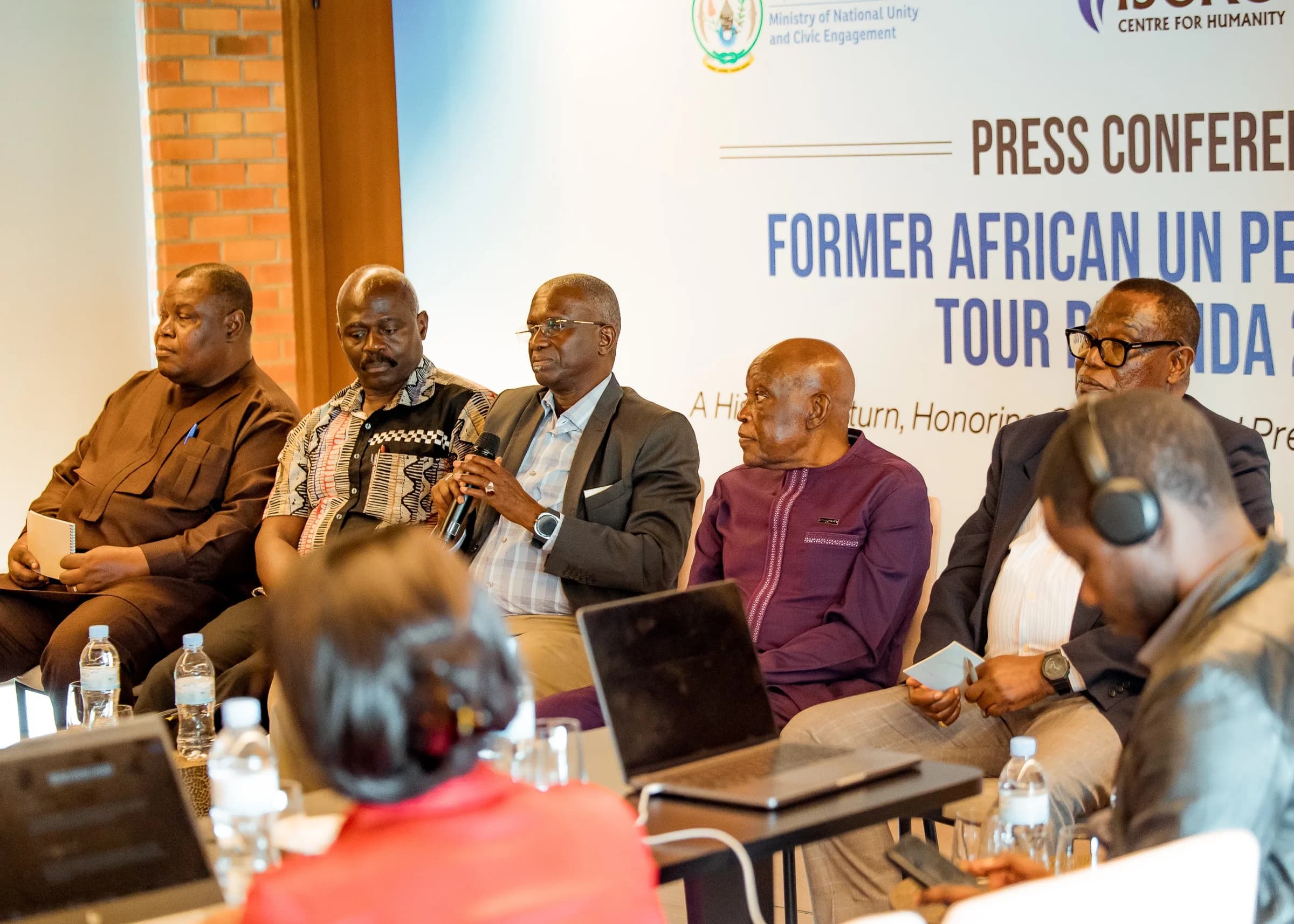
On their visit, the former peacekeepers commended Rwanda for the remarkable progress



Comments
No comments yet. Be the first to share a thought.