
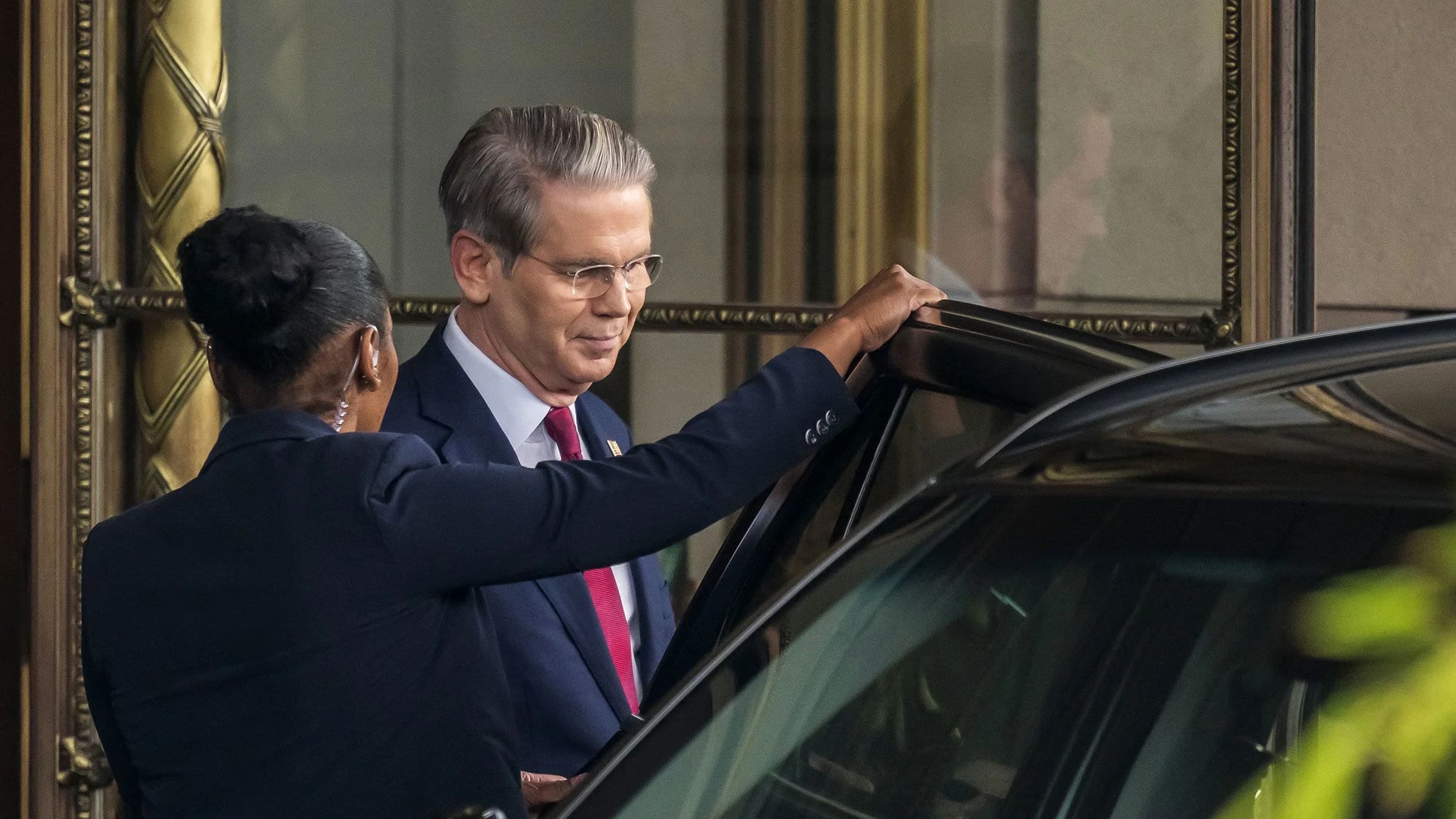
High-level talks between the United States and China have started in Geneva, Switzerland, in what could be the first sign of easing the trade war that began when President Donald Trump imposed heavy tariffs on Chinese goods. According to Chinese state media, Vice Premier He Lifeng is leading the talks for China, while US Treasury Secretary Scott Bessent is representing the United States. Bessent emphasized that while the discussions are important, people shouldn’t expect a major trade agreement right away. “We should not expect a big breakthrough,” Bessent said earlier this week. “But it’s a
High-level talks between the United States and China have started in Geneva, Switzerland, in what could be the first sign of easing the trade war that began when President Donald Trump imposed heavy tariffs on Chinese goods. According to Chinese state media, Vice Premier He Lifeng is leading the talks for China, while US Treasury Secretary Scott Bessent is representing the United States. Bessent emphasized that while the discussions are important, people shouldn’t expect a major trade agreement right away. “We should not expect a big breakthrough,” Bessent said earlier this week. “But it’s an important step forward in these negotiations.” The trade war has led to severe tariffs between the two countries, with the US imposing a minimum 145% tariff on many Chinese goods, while China responded with a 125% tariff on most US imports. As a result, trade between the two nations has dropped significantly, and experts say even cutting tariffs by half might not be enough to significantly improve the situation. Economists argue that the trade levels won’t return to normal unless tariffs are reduced to about 50%, according to CNN. The current tariffs have already caused prices to rise for American consumers, as goods from China become more expensive. A key inflation measure is expected to rise to 4% by the end of the year, according to analysts at Goldman Sachs. Many everyday items, from clothes to electronics to baby goods, come from China, and these price increases are being felt across the United States. The situation is also hurting China’s economy. Exports to the US from China dropped sharply in April, with a 21% decline compared to the same time last year. China’s manufacturing sector has been hit hard as well, with factory activity shrinking at its fastest pace in 16 months. This has led the Chinese government to take action by rolling out new economic stimulus measures. Despite the struggles, both sides are trying to find a way to ease tensions. "Both the US and China are the world’s largest and second-largest economies, so a deal would have a big impact," said a senior trade analyst. Even as trade discussions begin, President Trump has suggested he might cut tariffs even further, although his public comments have been mixed. "An 80% tariff on China seems right!" Trump wrote in a post on Truth Social, which shows the complicated nature of the situation. Trump also plans to raise the issue of Jimmy Lai, a Hong Kong media tycoon who is currently in prison under national security charges. Lai’s case could be part of the US negotiation with China. While it’s still uncertain what these talks will lead to, many are hopeful that they could be the beginning of a more positive economic relationship between the two superpowers.

Comments
No comments yet. Be the first to share a thought.